
REVIEW · MATOBO HILLS & BULAWAYO TOURS
Khami Ruins & Matopos Silunguzi Village Day Tour!
Khami Ruins and Matopos village life make a day tour feel like you time-traveled. You’ll pair Khami Ruins stone walls from the 13th century with cave paintings, then finish with real village rhythm in Silunguzi, guided by local people.
I love that the day mixes big landmarks with small, specific moments like the Portuguese Cross and the stone gong at Khami. I also like that you get more than sightseeing, you get a chance to meet people and hear stories while they go about their day.
One thing to consider: this is a long, active day (about 8 hours) that includes walking around ruins and cave areas. If you’re unsteady on your feet, plan careful footwear and lean on your guide’s help.
In This Review
- Key Highlights You Shouldn’t Miss
- Khami Ruins: Stone Settlement, Specific Stops, Real Atmosphere
- The Portuguese Cross and Cave-Corner Traditions
- Matopos Caves: Elephant Cave and Fish Cave Cave Paintings
- Lunch: Ndebele Food to Keep You Going
- Silunguzi Matopos Cultural Village: Village Life, Not Just a Show
- Why the Guides Make This Tour Worth It
- Value and Price: What $145 Gets You, and What to Plan For
- Getting There and Timing: A Full Day That Moves
- Who This Tour Suits Best
- Should You Book This Khami Ruins and Silunguzi Village Day Tour?
- FAQ
- Where does the tour start?
- How long is the Khami Ruins and Silunguzi Village day tour?
- What’s included in the price?
- What is not included?
- Is this tour private?
- What is the meeting point for the end of the tour?
- What is the weather situation and cancellation timing?
Key Highlights You Shouldn’t Miss
- Khami Ruins’ hill complex: old stone settlement areas, plus standout sites like the Portuguese Cross.
- Coin-and-wish moment: a fun, cultural stop tied to the Portuguese Cross.
- Matopos cave stops: Elephant Cave and Fish Cave, with cave paintings to look at closely.
- Natural stone gong and dam wall: less famous details that add variety to the ruins walk.
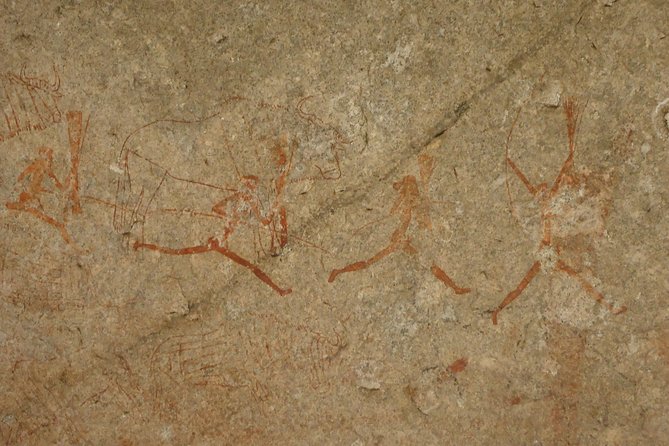
- Silunguzi village with cave art and storytelling: Bushmen cave paintings, village work, and a guide who shares local context.
Khami Ruins: Stone Settlement, Specific Stops, Real Atmosphere
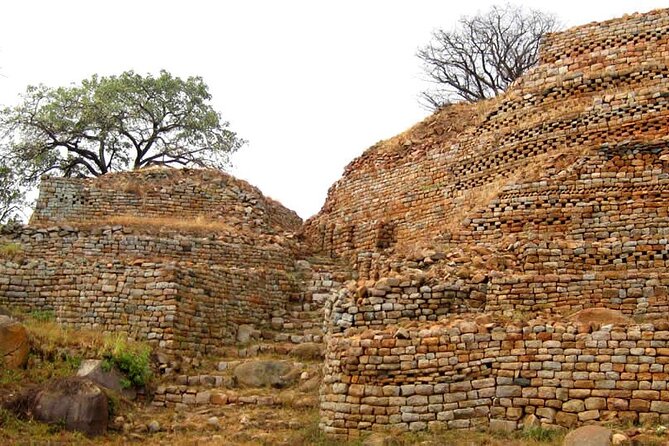
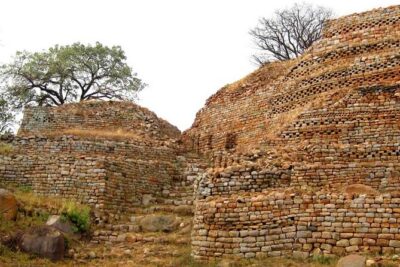
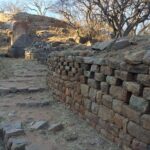
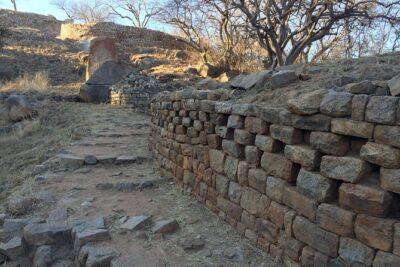
Khami Ruins is the kind of place where details matter. The highlight is the unique stone settlement dating back to the 13th century AD, spread across a hill complex that lets you see how the site was built and used. Even if you only spend a few hours here, you’ll feel the place is more than a photo backdrop, it’s a living puzzle of walls, viewpoints, and landmark features.
At Khami, I like how the visit is structured around memorable, named stops. You’ll explore the hill complex and visit the areas that get people talking, including the Portuguese Cross. The tour also builds in playful tradition, toss a coin and make your wish. That’s the kind of moment that makes a history stop feel human, not like a checklist.
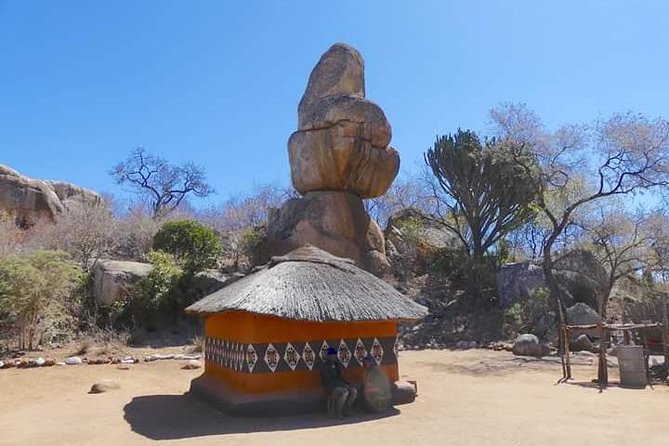
Two other stops add texture. First, you’ll visit the dam wall area, which changes the mood from “old settlement” to “how water and survival worked.” Second, you’ll see the nearby natural stone gong, one of those quirky landmarks that makes the ruins walk feel varied instead of repetitive.
Wildlife is part of the experience too. If you’re lucky, you might spot a water monitor lizard, and it’s often mistaken for a crocodile. It’s not a guaranteed safari moment, but it’s exactly the sort of thing a good guide watches for while you’re busy looking at stonework and views.
Practical note: expect uneven ground. Wear closed shoes with grip, and don’t rush. The ruins are spectacular, but they’re also real outdoor terrain.
The Portuguese Cross and Cave-Corner Traditions
This tour gives you a couple of “small but meaningful” traditions that help the day feel grounded. The Portuguese Cross moment at Khami is one, and it’s worth participating in calmly. It takes little time, but it helps you connect to how locals frame the site.
Later in the day, you’ll switch from ruins to cave art in the Matopos area. That shift matters. Ruins tend to pull you toward architecture and layout. Cave paintings pull you toward seeing, comparing, and trying to interpret what you’re looking at with the guide’s help.
If you enjoy art that isn’t behind glass, you’ll likely feel more engaged in the cave areas than in a museum room. Cave paintings are exposed to the elements, so the guide’s context can help you understand what to focus on, and how to look without overthinking.
Other village and township visits we have written up
Matopos Caves: Elephant Cave and Fish Cave Cave Paintings
After lunch, the day moves into the Matopos cave zone, where Elephant Cave and Fish Cave come into play. These stops are built around cave paintings, meaning you’re not just walking into a cool-looking spot. You’re stopping to look at ancient art in a specific place, then hearing how it’s understood.
I think this is one of the smartest parts of the itinerary. A day that only covers stone ruins can start to blur. Adding cave art refreshes your attention and gives your brain a new job: observing images, shapes, and patterns, and asking questions in real time.
The guides also help you slow down. You’ll have a chance to explore the cave paintings, which is important. If you’re trying to race through, cave art becomes harder to interpret. This tour format is designed to give you time at the right places, not just pass-through photo stops.
Lunch: Ndebele Food to Keep You Going
You’ll stop for hot lunch of traditional Ndebele dishes in between the ruins and the caves. The tour includes a light picnic lunch, which lines up well with a full 8-hour day. Translation: you eat enough to stay comfortable, but you’re still moving through the afternoon.
This is one of those included details that matters. On a day tour, a bad lunch can ruin your energy, and then the back half of the itinerary turns into a grind. Here, the meal is part of the flow, timed so you can refuel before the cave section.
Tip for the road: if you know you get cold or tired easily, bring a light layer. Caves and shaded areas can feel cooler than the open-air ruins walk.
Silunguzi Matopos Cultural Village: Village Life, Not Just a Show
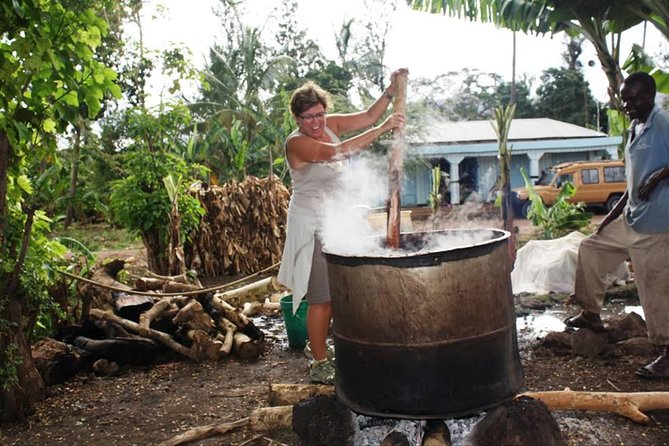
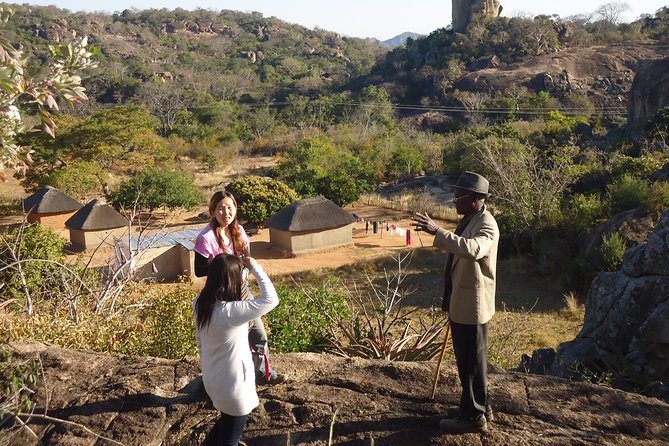
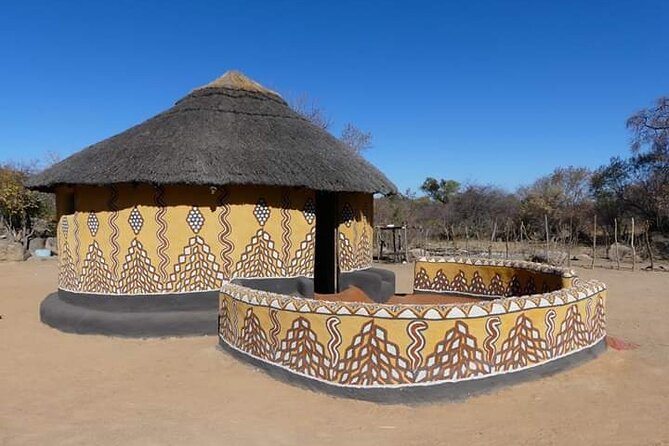
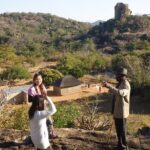
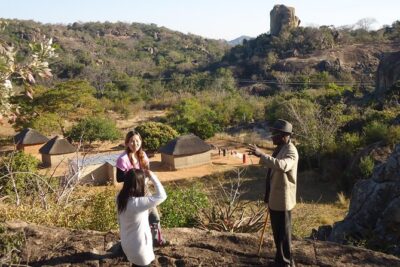
The second half of the tour takes you to Silunguzi Matopos Cultural Village. This is where the day shifts from “site viewing” to “people and place.” You meet your village guide and head out to see Bushmen cave paintings in nearby caves.
The village segment works because it isn’t only about the paintings. You also see local people as they go about their day-to-day village work. That’s the difference between visiting a cultural spot and understanding how life continues beyond the tourist itinerary.
There’s also room for taste. The tour includes a chance to test local food if you want to. Even if you don’t go for every sample, it’s still a meaningful moment because it’s offered as part of village life, not a performance.
Storytelling is the glue here. Your guide shares local stories, which helps you connect what you saw at Khami and in the caves to how people understand the landscape now. It’s also a great time to ask questions, because you’re not in a lecture hall. You’re standing in the real setting where people live.
Why the Guides Make This Tour Worth It
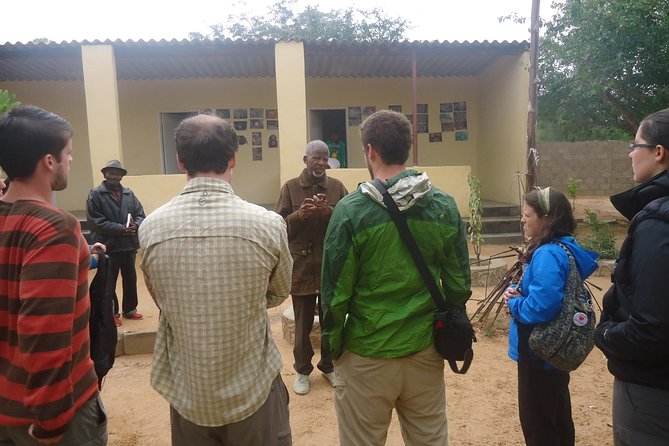
This day lives or dies by guidance. The reviews tied to this experience emphasize that the guides do more than point out landmarks. They help you navigate the terrain and explain what you’re seeing in plain language.
In particular, Tim is singled out for helping an older solo traveler climb and explore safely. The key detail is that he held the hand and ensured she did not slip or fall. That tells you the tour’s human side matters, especially if you want a calmer experience on uneven ground.
Other guides named in feedback include Thembi, who answered questions and shared what it feels like to learn about Zimbabwe in context. Eugène is also mentioned as friendly and skilled at guiding through the ruins, Matopos village, and rock paintings.
So when you book, I’d treat the guide as part of the value, not just a bonus. Ask questions at the start, and let them know if you have balance or mobility concerns.
More days out of Bulawayo and the Matobo Hills
Value and Price: What $145 Gets You, and What to Plan For
The price is $145 per person for about 8 hours. For a private tour, that’s not just paying for transport. It’s bundled in a way that can keep your day from turning expensive after the fact.
Included costs are a big deal here:
- Village entry fees
- Khami entry fees
- Light picnic lunch
- Private transportation
- Guiding services
That means you’re not juggling multiple separate charges while trying to enjoy the day. In a destination like Zimbabwe, where entry fees and guiding can vary, this kind of package can be easier to budget.
What’s not included is also clear:
- Tipping
- Airport transfer
- Alcoholic drinks
So, if you’re thinking ahead, plan for tips as part of your travel math. Also, if you’re flying in or out the same day, you’ll want to arrange any airport transfer separately.
Getting There and Timing: A Full Day That Moves
Pickup is offered, and the meeting point is City Hall Flower Market on Fife Street in Bulawayo (Leopold Takawira Ave area). The tour ends back at the meeting point.
This matters because you’re not stuck guessing where to meet. It also keeps the day efficient. You’re likely starting in the morning and coming back for overnight in Bulawayo.
The tour operates within Monday to Saturday hours from 8:00 AM to 5:00 PM. Because the duration is about 8 hours, you’ll want to plan your other activities around that block. If you’re trying to stack multiple tours, give yourself breathing room afterward.
The day also requires good weather. That’s stated, and it’s sensible for ruins and cave areas. If conditions are poor, you may be offered a different date or a full refund.
Packing tip: bring sun protection and water. You’ll be outside for long stretches and underground areas can add to the day’s temperature shifts.
Who This Tour Suits Best
This is a strong fit if you want:
- A Bulawayo day tour with history plus wildlife-leaning moments
- Cave art without rushing, with a guide to interpret what you’re seeing
- A cultural stop that includes meeting people, not just looking at objects
- Private guiding, meaning your pace and questions are more likely to match your interests
It’s also a good choice for solo travelers who want support moving through uneven areas. The feedback about Tim helping an older traveler is a helpful clue that the guides can adapt to the needs of their group.
If you hate walking, or you’re uncomfortable around steps and uneven ground, consider messaging your operator before booking. The itinerary is active, even if it’s well guided.
Should You Book This Khami Ruins and Silunguzi Village Day Tour?
I’d book it if your ideal day in Zimbabwe includes both storytelling and scenery. Khami Ruins gives you a dramatic stone settlement feel, while the Matopos caves add cave paintings that change the way you look at the landscape. Then Silunguzi brings you back to real village life, with storytelling and time to see people doing everyday work.
I would hesitate only if you want a short, low-effort outing. This is about 8 hours, and it includes walking at ruins and cave areas. If that’s manageable for you, it’s an excellent value package because entry fees, lunch, private transport, and guiding are already rolled in.
FAQ
Where does the tour start?
It starts at the City Hall Flower Market at Fife Street in Bulawayo (RHWP+727, Leopold Takawira Ave, Zimbabwe).
How long is the Khami Ruins and Silunguzi Village day tour?
It runs for about 8 hours.
What’s included in the price?
Included are village entry fees, Khami entry fees, light picnic lunch, private transportation, and guiding services.
What is not included?
Tipping, airport transfer, and alcoholic drinks are not included.
Is this tour private?
Yes, it’s a private tour/activity, meaning only your group participates.
What is the meeting point for the end of the tour?
The tour ends back at the same meeting point where it started, City Hall Flower Market.
What is the weather situation and cancellation timing?
The experience requires good weather. You can cancel for a full refund up to 24 hours in advance of the start time. If canceled due to poor weather, you’ll be offered a different date or a full refund.
More Tour Reviews in Zimbabwe




Matobo Hills and Bulawayo
Chinotimba and the Villages Nearby
Other Zimbabwe Tours in Our Notebook
- Great Zimbabwe Ruins Tour from Bulawayo with Picnic Lunch !
★ 5.0 · 3 reviews - Khami Ruins & Matopos Silunguzi Village Day Tour!
★ 5.0 · 4 reviews - Zimbabwe: Sundowner Cruise (Standard) Zambezi River
★ 4.8 · 5 reviews - Khami Ruins Day Trip
★ 5.0 · 6 reviews - Bulawayo to Victoria Falls Transfers
★ 5.0 · 7 reviews - Bulawayo Airport Transfers
★ 5.0 · 8 reviews
Matobo Hills & Bulawayo Tours, compared.
 ★ 5.0The Best of MatoboFrom $14039 reviews
 ★ 5.0Matobo Rhino EncounterFrom $12033 reviews
 ★ 5.0Matobo Hills Day Trip with Rhino TrackingFrom $14022 reviews
 ★ 4.5Matopos Half Day ExcursionFrom $12015 reviews
 ★ 5.0Bulawayo Airport TransfersFrom $408 reviews
 ★ 5.0Bulawayo to Victoria Falls TransfersFrom $5407 reviews
 ★ 5.0Khami Ruins Day TripFrom $806 reviews
 ★ 5.0Silunguzi Matopos Village & Rock Paintings Visit !From $954 reviews
Browse the lists this tour appears in