
REVIEW · MATOBO HILLS & BULAWAYO TOURS
Matobo Rhino Encounter
Rhinos in Matobo feel close, fast. This small-group outing blends white rhino tracking with ranger-led learning on plants, footprints, and ancient survival skills. You also get cave paintings plus a full day finish with snacks at sunset, all in about five to six hours.
I like two things most. First, the trip caps at 8 participants, so you actually hear the guide and can follow the tracking details. Second, the day is built around direct time with the rhinos, where the guide’s sense of wind direction and rhino behavior helps you get an exciting view without rushing.
One thing to consider: this is an outdoor walk. You’ll want the right clothing and shoes, and you should expect heat, sun, and bugs, even with breaks for lunch and photos.
In This Review
- Key things to know before you go
- Matobo Rhino Tracking With a Ranger-Led Bush Walk (Around 5 to 6 Hours)
- The 1:00 pm Start: Pickup, Short Drive, and First Rhino Chances
- How the Tracking Walk Really Works: Wind, Footprints, and Dung
- White Rhinos in Matobo: Natural Habitat, Ranger Protection, and Behavior
- Medicinal Plant Skills and Ancient Survival Techniques
- Cave Paintings Inside Matobo Rock Country
- Lunch, Refreshments, and Sunset Sun Downers
- What to Bring So the Walk Feels Good
- Value and Price: Is $120 Worth It?
- Who Should Book This Matobo Rhino Encounter
- Should You Book It?
- FAQ
- What time does the Matobo Rhino Encounter start?
- How long is the experience?
- How many people are in the group?
- Is pickup included?
- What’s included with the tour?
- Can I cancel for a full refund?
Key things to know before you go
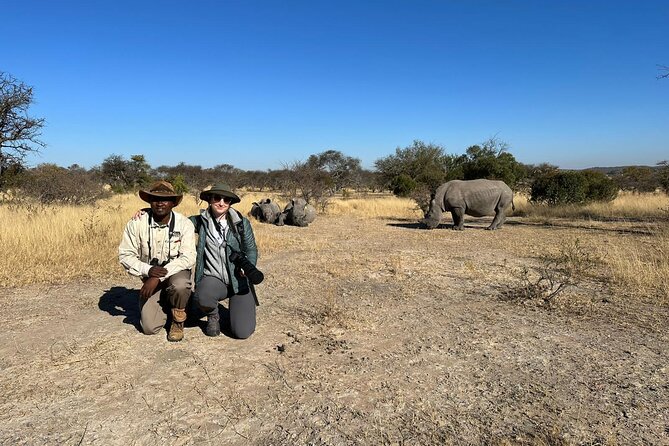
- Max 8 people means more attention and easier wildlife spotting
- Wind and rhino behavior are part of the tracking approach, not just luck
- Learn to read the land with footprints, dung, and medicinal plants
- Ancient cave paintings are part of the route, not a quick stop
- You’re well fed, with BBQ lunch plus refreshments and sun downers at the end
Matobo Rhino Tracking With a Ranger-Led Bush Walk (Around 5 to 6 Hours)
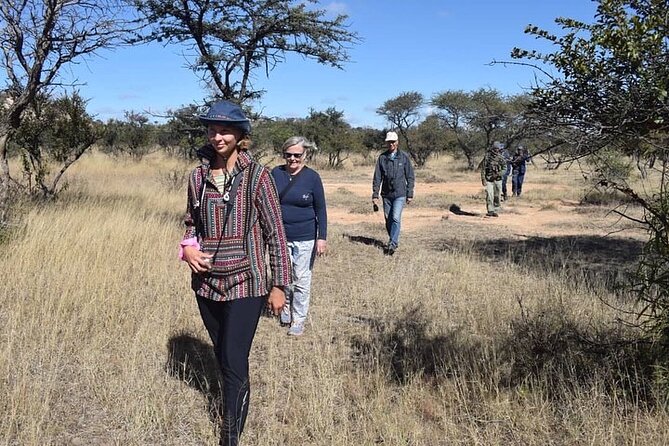
Matobo National Park is the kind of place where you can feel the ground is alive. The Matobo Rhino Encounter turns that feeling into a guided walk, with park rangers and a local guide showing you how people once lived off the African savannah’s clues.
The timing matters. You start at 1:00 pm, then move through tracking and learning in the heat of the day, with a finish that leans into late light and sunset snacks. In practice, that means you’re out long enough to get more than a quick sighting, but not so long that it becomes a grind.
The biggest reason I think this works well is the structure. You spend time learning how to notice signs, then you apply it while looking for rhinos. That is more satisfying than simply driving around hoping for the best.
Also, the group size is genuinely important. With a maximum of 8 travelers, you do not get lost in a crowd. You can ask questions, your guide can adjust pace to the group, and it stays focused on the wildlife and the skills being taught.
The 1:00 pm Start: Pickup, Short Drive, and First Rhino Chances
Your afternoon begins with pickup offered, and the drive into Matobo does not take forever. One review described a quick ride of around 30 minutes after pickup, and then the rhinos showed up right away.
That early spotting is not guaranteed, but the way the day is planned usually sets you up for a good first look. Matobo is known for rhinos and rock country, so your chances improve as you move deeper into the park with rangers who know where to look and how to approach responsibly.
When you reach the rhino area, the experience shifts from “tour mode” to “nature listening.” The guide and ranger teamwork is key. You’re watching for movement, hearing for subtle sounds, and trying to follow the rhinos’ pace while respecting their space.
If you do love photos and video, this is also a practical setup. The experience includes digital photos, and the rhythm of the day gives you time for camera moments once you’re close.
Still weighing up your days in Victoria Falls? These reviews cover the other options.
How the Tracking Walk Really Works: Wind, Footprints, and Dung
This is not a generic wildlife walk where you just stand still and hope something happens. The tracking approach is a teaching session you can physically participate in.
You’ll learn how to identify animal signs like footprints and animal dung. That matters because it changes how you look at the ground. Instead of seeing random tracks, you start thinking: What animal could this be? How fresh is it? What direction might it have gone? Even if you never become an expert, the mental habit is powerful.
Then you connect those signs to the rhino search. The information is practical. The guide uses an understanding of wind direction, and the group’s movement is guided to keep the rhinos comfortable and calm.
Why does the wind detail matter? In open savannah country, scent and behavior are everything. The guide’s attention to wind and rhino behavior helps you get closer than you would on a standard drive-by. It also keeps the experience respectful, because you’re adjusting to the animal, not forcing it to accommodate you.
And yes, you likely get time to actually see rhinos up close. One review described around 25 minutes with the rhinos and the ability to photograph and record. That kind of time is what turns a rhino encounter from a brief moment into a memory.
White Rhinos in Matobo: Natural Habitat, Ranger Protection, and Behavior

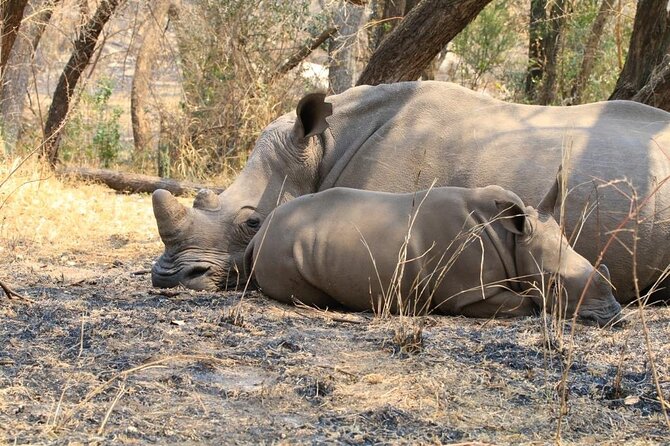
Seeing white rhinos in Matobo is already special, because rhinos are rare. But what makes this encounter feel better is that you learn how they fit into their world and how protection works in real life.
The day includes meeting park rangers who dedicate their lives to protecting these endangered animals. That part can change how you view the whole encounter. You’re not just watching wildlife for entertainment. You’re witnessing conservation at work, with professionals who manage risks and protect habitat.
The guide also talks through the rhinos’ natural habitat and behavior. You’ll get a better sense of what rhinos do during the afternoon, how they respond to conditions, and why the tracking approach includes patience.
You should expect the experience to feel hands-on. When you’re walking and learning signs, you become part of the search process. It is more active than many wildlife tours, but it is still guided, so you are not left guessing.
And because the group is small, the guide can fine-tune positioning and pace. That leads to better sightings and fewer awkward moments where people bump into each other while trying to look.
Medicinal Plant Skills and Ancient Survival Techniques
A big reason this outing stands out in value is that it goes beyond animals. You also learn about medicinal plants and natural remedies tied to survival knowledge.
The experience frames these skills through the lens of early ancestors who lived in harsh savannah conditions. You’ll hear about techniques used for tracking animals and for using natural remedies, including references to snake bite remedies.
Now, a quick reality check: you should treat the learning as cultural and educational, not as a DIY medical plan. Still, the practical takeaway is huge. You start noticing plants and understanding that “nature knowledge” is not only about big animals. It is about what the land offers.
You also learn to identify the signs left behind. Footprints and dung connect you to the whole ecosystem, not just one species. That makes the rhino encounter feel less isolated and more connected to the larger Matobo environment.
If you like tours that teach you how to see, this is the kind that sticks. You’ll likely finish the day looking at ground texture, plant shape, and animal paths with a whole new mindset.
Cave Paintings Inside Matobo Rock Country
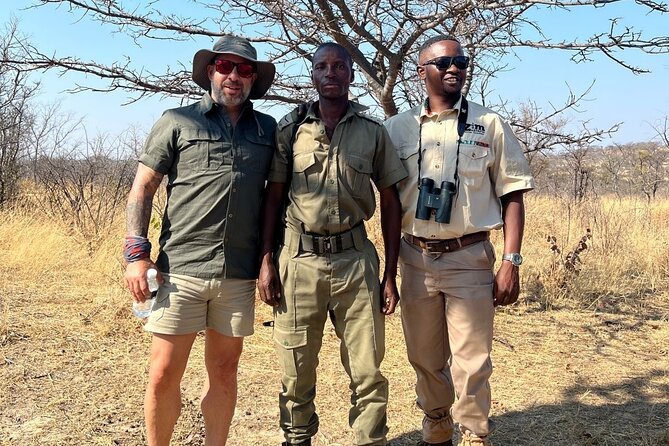
After rhino time and bush-walk learning, the route shifts to Matobo’s rock formations. You’ll explore a cave with thousands-year-old cave paintings, guided so you understand what you’re looking at rather than just seeing figures on a wall.
The experience also describes this as one of the largest rock caves in the park. That matters because the space gives context. Rock shelters are not just backdrops. They are places people returned to, and the art becomes part of the setting, shaped by natural light and the shelter’s feel.
One review also paired this kind of rock-painting focus with a stop connected to the Cecil Rhodes grave site. Even if you don’t care about that specific detail, it signals that the day mixes wildlife with Matobo’s landmark stories.
In other words, your afternoon is not only about animals. It’s also about how humans have interpreted and lived with this place for a very long time.
If you’re the type who usually rushes through “photo stops,” slow down here. This is the part where you can stand still, look up, and let the drawings and rock surfaces take over your attention.
More days out of Bulawayo and the Matobo Hills

Lunch, Refreshments, and Sunset Sun Downers

This tour handles food in a way that keeps your energy stable for the walking. You get BBQ lunch and bottled water plus refreshments. The day also ends with sun downers and snacks near sunset.
That’s not just comfort. It improves the experience. Outdoor wildlife tracking can be physically draining, especially in warm afternoons. Having lunch provided means you can focus on the walk instead of spending time searching for food.
The sunset finish is also a smart touch. Wildlife spotting is often easier earlier, but late-day light is when the scenery looks dramatic and the whole day feels like it has closure. The snacks and drinks give you a natural moment to sit, talk, and compare what you noticed.
And if digital photos are your thing, it helps to have that support when you’re tired. You’re not stuck juggling your camera while trying to keep up with the guide during the walk.
Practical note: bring the clothes you listed. Even with snacks, you want to be protected from sun and insects.
What to Bring So the Walk Feels Good
The experience gives clear guidance on what to pack, and I agree with it. You’ll want comfortable closed-toe shoes because you are walking on uneven natural surfaces and moving slowly for tracking.
Dress in khakis and a sun hat, then add sunscreen and bug spray. Matobo is outdoors country, so bugs and sun are real factors. This is the difference between a day you enjoy and a day you just tolerate.
Also, plan for a warm afternoon start. You’ll move at times and then pause often. Light layers and breathable fabric help you stay focused on the tracking instead of swatting insects or adjusting clothing nonstop.
If you take photos or video, pack for heat. Batteries drain faster in sun and shade cycling, and gear can get dusty or dry quickly outdoors.
Value and Price: Is $120 Worth It?
At $120 per person, this isn’t the cheapest thing on the Zimbabwe itinerary. But the value makes sense when you look at what’s included and what you actually do for that price.
You’re paying for:
- A small group capped at 8 participants
- Ranger-led rhino tracking plus guide instruction on tracking and plants
- Pickup offered and time in Matobo National Park
- A meal plan that includes BBQ lunch, bottled water, refreshments, and sunset snacks
- Digital photos
Many wildlife encounters charge for driving and sightings only. Here, the time is structured as both wildlife viewing and skill teaching, which increases the “hours of experience” you get for your money.
Also, because you’re not in a big van with dozens of people, your odds of meaningful rhino contact tend to improve. That is a big part of why the encounter can feel worth the cost when you compare it to more general safaris.
If you care about conservation and learning, the included ranger and plant/track lessons push the value higher. If you only want a fast rhino photo and nothing else, you may find other options cheaper. But for most nature-minded visitors, this one is priced about where it should be.
Who Should Book This Matobo Rhino Encounter
This fits best if you want a guided day that blends wildlife with real learning. You’ll enjoy it if you like:
- Tracking-style nature walks
- Learning to read animal signs and plants
- Close-up wildlife experiences with ranger involvement
- A mix of nature and cultural elements like cave paintings
It also works for people who prefer a smaller group. With max 8, the day feels more like a shared lesson and less like a production line.
You might want to skip it if:
- You dislike outdoor walking or you struggle with uneven ground
- You want a mostly vehicle-based safari where you do minimal walking
- You are chasing a full-day itinerary with lots of downtime built in
Should You Book It?
I’d book this if you want a focused Matobo afternoon that actually teaches you how to look, and then rewards you with rhino time plus cave paintings. The strongest reasons to choose it are the small group, the ranger-led approach, and the fact that the walk is built around tracking skills, not just sightseeing.
If you’re prepared with closed-toe shoes, sun protection, and bug spray, you’ll get more out of every minute. And for a $120 day that includes lunch, refreshments, and digital photos, it has solid value for what you do and learn.
FAQ
What time does the Matobo Rhino Encounter start?
The tour starts at 1:00 pm.
How long is the experience?
It runs for about 5 hours (approx.), and the overall wildlife tracking experience is described as small-group and around six hours.
How many people are in the group?
The tour has a maximum of 8 participants.
Is pickup included?
Yes, pickup is offered.
What’s included with the tour?
The experience includes bottled water and refreshments, lunch (BBQ), digital photos, and transfers.
Can I cancel for a full refund?
Yes. You can cancel up to 24 hours in advance for a full refund. If you cancel less than 24 hours before the start time, the amount paid is not refunded.
More Tour Reviews in Zimbabwe



Matobo Hills and Bulawayo
Other Zimbabwe Tours in Our Notebook
- Great Zimbabwe Ruins Tour from Bulawayo with Picnic Lunch !
★ 5.0 · 3 reviews - Khami Ruins & Matopos Silunguzi Village Day Tour!
★ 5.0 · 4 reviews - Zimbabwe: Sundowner Cruise (Standard) Zambezi River
★ 4.8 · 5 reviews - Khami Ruins Day Trip
★ 5.0 · 6 reviews - Bulawayo to Victoria Falls Transfers
★ 5.0 · 7 reviews - Bulawayo Airport Transfers
★ 5.0 · 8 reviews
Matobo Hills & Bulawayo Tours, compared.
 ★ 5.0The Best of MatoboFrom $14039 reviews
 ★ 5.0Matobo Hills Day Trip with Rhino TrackingFrom $14022 reviews
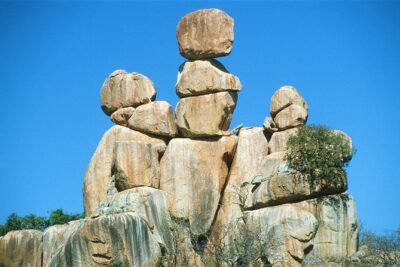 ★ 4.5Matopos Half Day ExcursionFrom $12015 reviews
 ★ 5.0Bulawayo Airport TransfersFrom $408 reviews
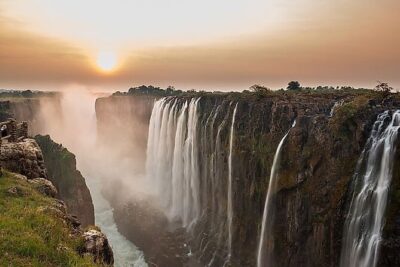 ★ 5.0Bulawayo to Victoria Falls TransfersFrom $5407 reviews
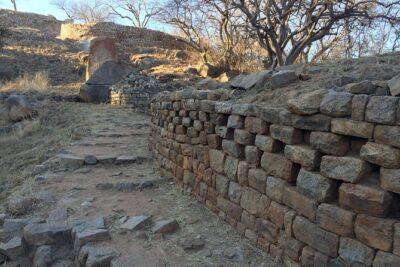 ★ 5.0Khami Ruins Day TripFrom $806 reviews
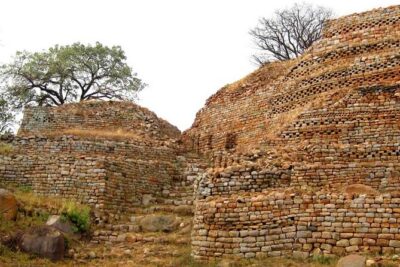 ★ 5.0Khami Ruins & Matopos Silunguzi Village Day Tour!From $1454 reviews
 ★ 5.0Silunguzi Matopos Village & Rock Paintings Visit !From $954 reviews
Browse the lists this tour appears in