
REVIEW · MATOBO HILLS & BULAWAYO TOURS
Matobo Hills Day Trip with Rhino Tracking
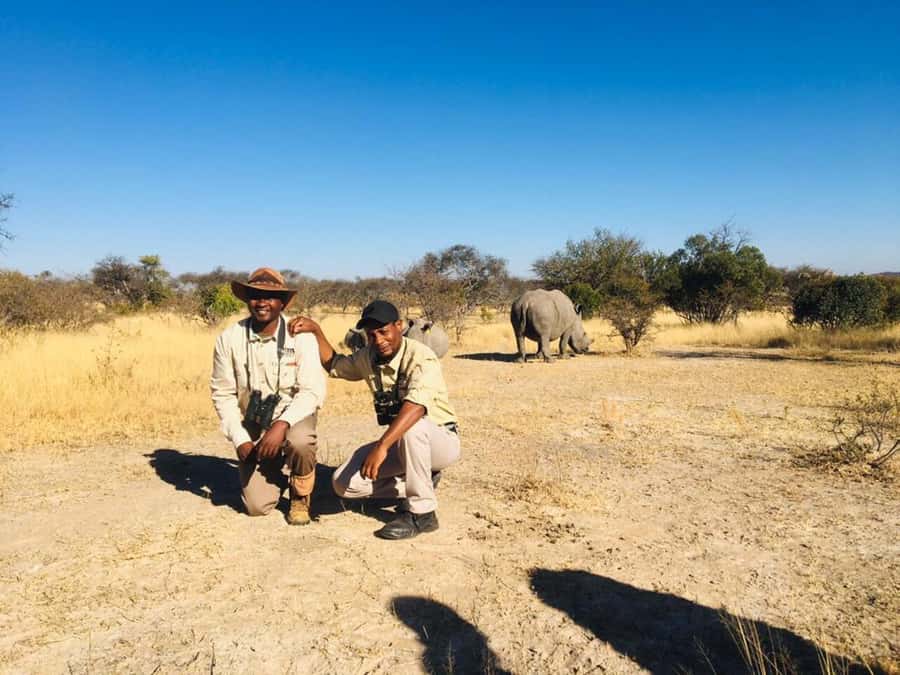
Rhinos on foot changes your whole day. I love the chance to track rhinos in Matobo National Park with guide Blessing, and I love the way the trip stacks Bushmen rock paintings plus Cecil Rhodes sites into one efficient 8-hour outing. One possible drawback: you are doing real walking for rhino tracking and cave/rock stops, and lunch timing can slip a bit if the rhinos take longer than expected.
This is a UNESCO World Heritage Site day trip that leans practical, not just scenic. You’ll move from Bulawayo, cover the key Matobo highlights, and end with a meal in the hills, plus snacks along the way.
If you want a day that feels hands-on, with safety rules you actually understand before you start, this is the kind of trip that delivers. The guide’s coaching matters here, because you’re tracking animals on foot, not watching them from far away.
In This Review
- Key Things That Make This Matobo Day Trip Worth It
- Matobo Hills In One Day: Why This Mix Works
- Meet Blessing: The Guide That Turns Wildlife Into Real Learning
- From Bulawayo to Matobo National Park: What the Drive Adds
- Rhino Tracking on Foot: What You’re Really Signing Up For
- How to behave so the experience stays safe and respectful
- Bushmen Rock Paintings and Cave Art: Old Marks With New Meaning
- Balancing Rocks, Sacred Sites, and World’s View at Rhodes’ Grave
- A practical note on emotion
- Lunch in the Hills: Food, Timing, and How to Make It Work
- Price and Value: Is $140 Fair for an 8-Hour Rhino Day?
- Who This Trip Fits Best, and Who Should Rethink It
- What to Bring and What Not to Wear in Matobo
- My Take: Should You Book This Rhino Tracking Day Trip?
- FAQ
- How long is the Matobo Hills day trip with rhino tracking?
- Where does the tour start, and is pickup included?
- Is the tour guided, and what language is it in?
- What rhino experience is included?
- What stops and sights are included besides rhino tracking?
- Is lunch included, and where is it served?
- What should I bring?
- Are there any clothing rules?
Key Things That Make This Matobo Day Trip Worth It
- Rhino tracking on foot, with clear instructions on how to behave when you’re close
- Guide Blessing’s focus on rhino behavior, plus extra tries to help you see them well
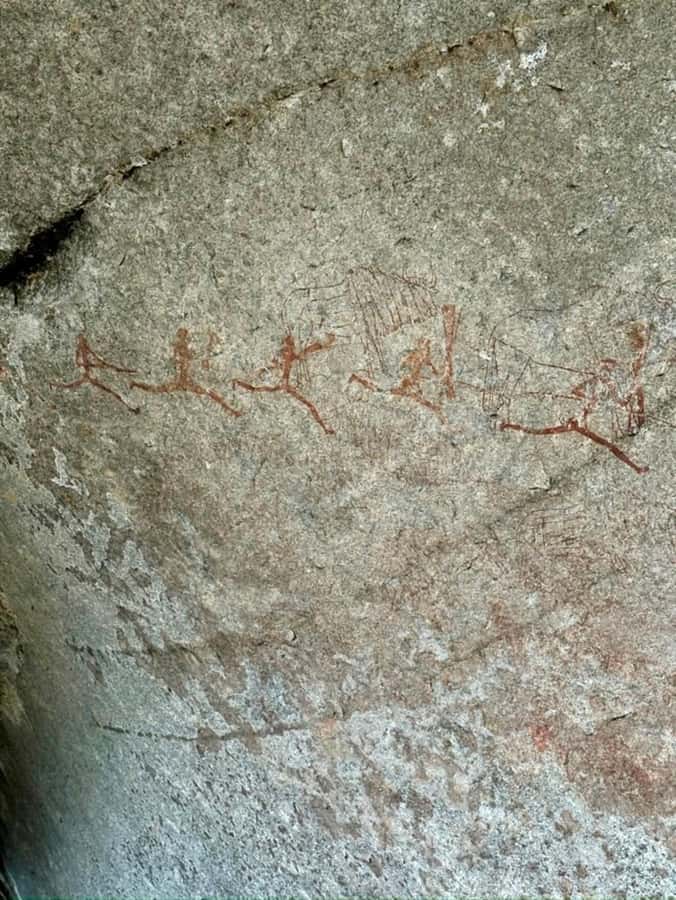
- Bushmen rock paintings and cave art stops, paired with the meaning behind them
- Balancing rocks, sacred sites, and Cecil Rhodes’ grave, all in one loop
- Lunch at a local lodge/restaurant spot, and fruit/snacks on the way
- Pickup in a white open safari truck and an English-speaking live guide
Matobo Hills In One Day: Why This Mix Works
Matobo Hills has a rare combo: big game wildlife, ancient human history, and dramatic geology all in the same day plan. A lot of tours sell you one of those. This one tries to give you the full Matobo mood, without dragging the schedule out for days.
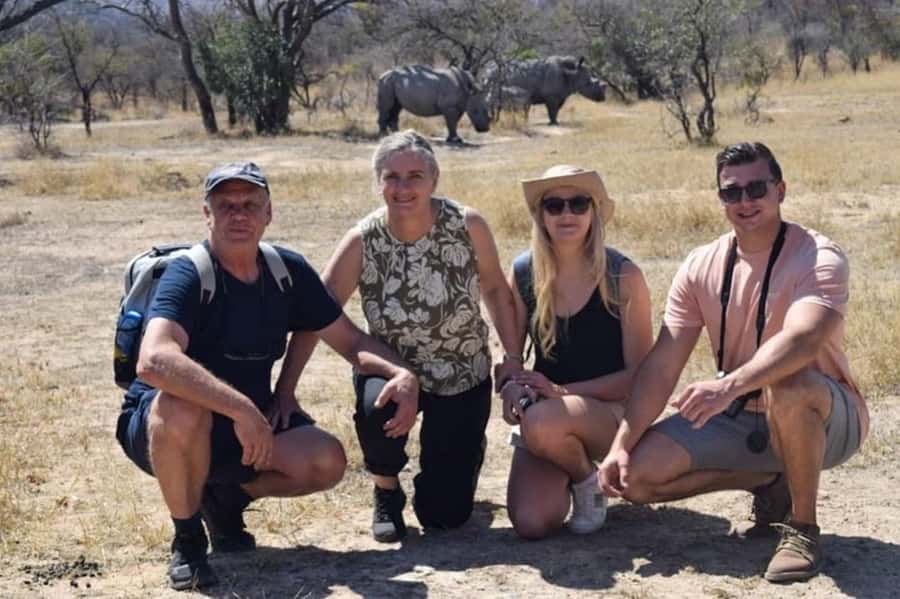
The rhino tracking part is the main event, and it’s also the part where the guide’s approach really changes your experience. When you’re walking to rhinos, it is not just about spotting them. It’s about understanding what the animal is doing and what your body language should be.
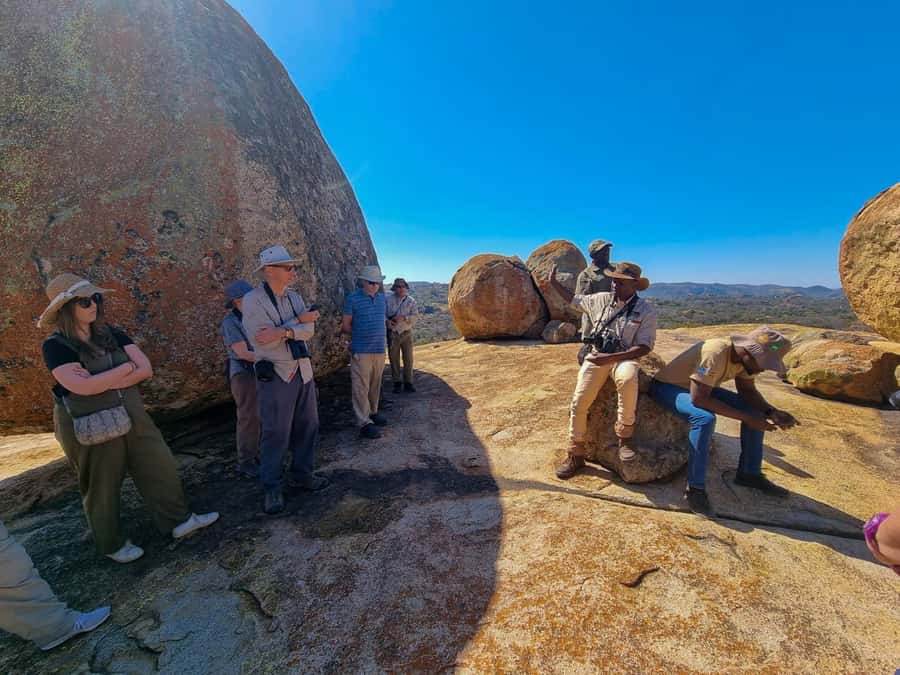
Then the day shifts gears into human history. You’ll hear about Cecil Rhodes’ final resting place at World’s View and how European settlement connected to the Ndebele Kings and the Matabele wars. After that, you move into the rocks and paintings that sit at the heart of Matobo’s long human story.
The value play here is timing and variety. For one $140 day, you get multiple Matobo highlights plus entry fees, drinks, and a proper lunch stop, not just a snack and a photo.
Meet Blessing: The Guide That Turns Wildlife Into Real Learning
The most repeated theme across the day trips is the guide. In this case, that guide is Blessing, and the best part is his mix of wildlife skill and history storytelling.
On the rhino side, he doesn’t just say where the rhinos are. He teaches behavior and timing so you know when you should move and when you should stop. That matters because when rhinos come close, the difference between panicking and staying calm is tiny.
On the history side, he connects the places you’re standing to the people who were there, long before tourists arrived. World’s View is not only a viewpoint, it’s tied to the Rhodes story and the wider colonial-era history around it. The day also covers context around the Matabele wars, including the Shangani Patrol tragedy, which helped shape how the region developed.
It’s also worth noting a practical detail from the experience: Blessing often brings fruit and snacks. That turns the day into something more comfortable, especially if rhino tracking runs a bit long and lunch arrives later than you’d like.
From Bulawayo to Matobo National Park: What the Drive Adds
You start in Bulawayo, with pickup included. The tour vehicle is described as a white open safari truck, and you’ll be with an English-speaking live guide. For many people, this pickup convenience is a big deal because it means you don’t have to arrange transport or worry about being left behind.
The drive is not just empty time. It sets up the day, giving you the first glimpses of the park’s character and helping you settle into the “walking with animals” mindset. You’ll also get a sense of where the day’s stops make sense geographically.
And because the day is long at 8 hours, you’ll feel the benefit of having bottled water and drinks included. It’s simple, but it keeps you from spending your day hunting for beverages or snacks during the most inconvenient moments.
Rhino Tracking on Foot: What You’re Really Signing Up For
Rhino tracking on foot is the part that most people remember for the rest of the trip. You’re not behind a fence. You’re on a route designed to keep you close enough for a real look while respecting the rhinos and following the guide’s rules.
In the better outcomes, the rhinos come close. Some experiences described getting within roughly 6 to 7 meters, with the guide positioning you and controlling the pace. You might also see a rhino respond to the group, including moments where it pauses to graze nearby.
The key is the coaching. Blessing gives practical instructions that help you stay still and avoid sudden movement. One of the clearest bits of advice from the experience style here is that you should not rush, wave, or shuffle when the animal is near. The group dynamic matters too, because the guide’s goal is a calm, controlled stance that keeps the rhinos relaxed enough to keep doing rhino things, like grazing and moving through the area.
Also, the guide doesn’t assume success on the first attempt. There are mentions of trying multiple times to get a clear sighting. That’s a big difference from tours that treat rhino time like a checkbox.
Reality check: rhino tracking can’t be guaranteed on any day. But the way this tour is described, the guide’s skill is aimed at maximizing your odds of a meaningful sighting rather than a distant flash.
How to behave so the experience stays safe and respectful
The trip emphasizes following instructions, so here’s what that means in plain language:
- Stay with the group and do what your guide says right away
- Move only when instructed, especially when the rhino is close
- Keep your eyes on the animal first, and save camera frenzy for later
- Wear shoes that handle rocky ground and sudden stops
Bushmen Rock Paintings and Cave Art: Old Marks With New Meaning
Matobo’s rock art stops are not random photo opportunities. You’ll be guided to Bushmen paintings and cave art sites, and the day connects that art to the broader human history of the region.
One particularly interesting angle is how Bushmen knowledge ties into the successful reintroduction story for rhinos in Matobo National Park. The idea isn’t that paintings are a magic decoder ring, but that traditional observations and interpretations helped build understanding that supported later conservation work.
You’ll also likely hear stories while walking between these places. Reviews and descriptions point to a short trek at about 500 meters for some groups, presented as manageable for most people who can walk comfortably. It’s not long, but it’s enough to get your legs involved and slow you down in the best way. You see details that you’d miss from a vehicle window.
This stop is also where you’ll feel the Matobo “layer cake” effect. Wildlife is around you, but the rocks themselves are the main character. The art makes the place feel alive in a time span far bigger than a single holiday.
Balancing Rocks, Sacred Sites, and World’s View at Rhodes’ Grave
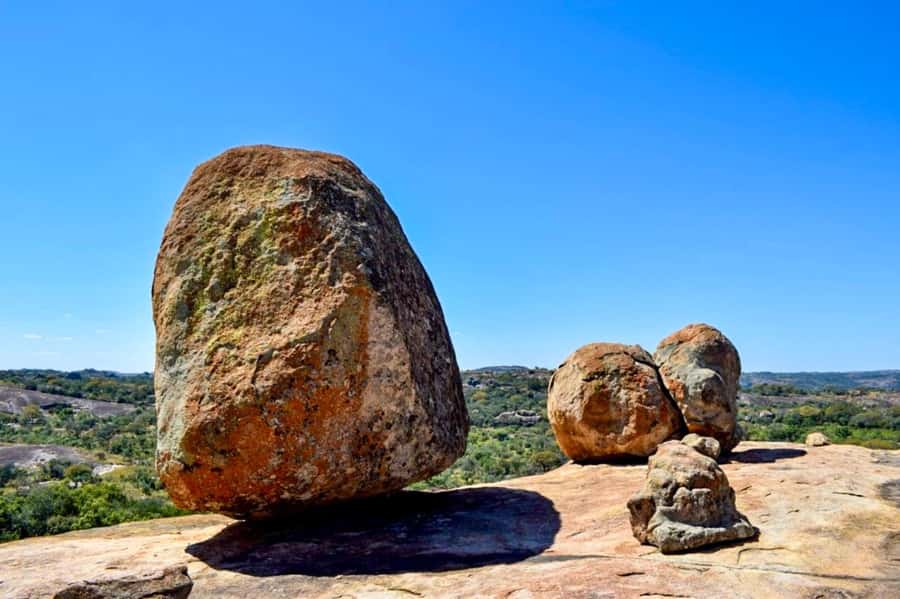
The Matobo Hills experience isn’t only about animals. It’s about places with meaning, and that shows in the balancing rocks and sacred site visits.
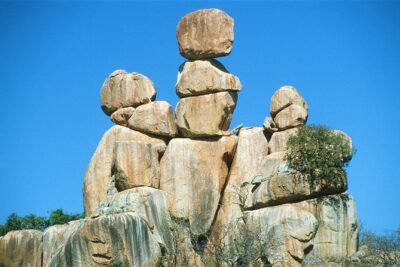
Balancing rocks are a signature Matobo feature, and seeing them in person is a different experience than looking at a picture. They help you understand why the area holds cultural significance, and why locals and visitors often treat these spots with respect.
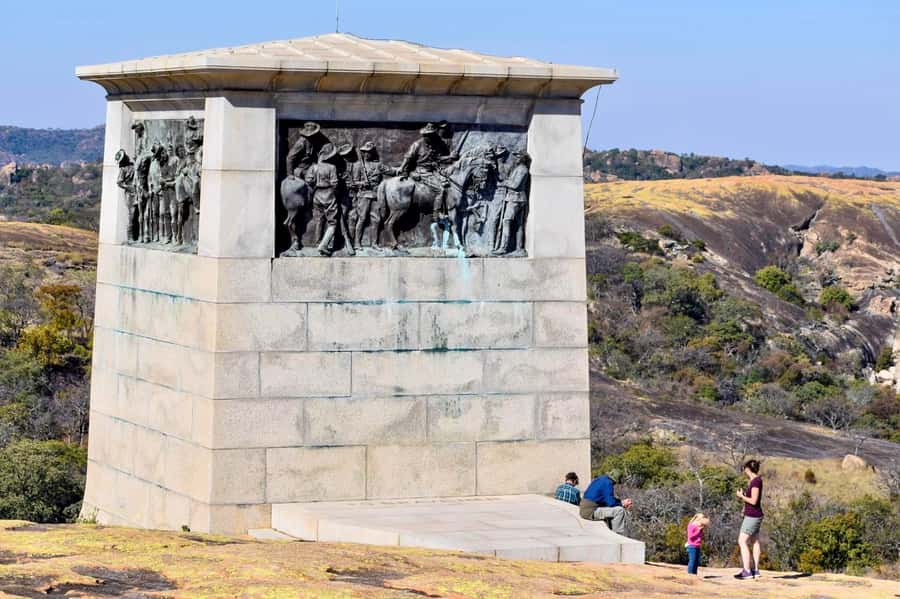
Then comes World’s View and Cecil Rhodes’ final resting place. This is a major historical stop, and the guide’s job is to connect the location to the people and politics around it. You’ll hear the Rhodes story from a ground-level perspective, including how it intersects with the Ndebele Kings and the first European settlers.
The Matabele wars context also gets included. One example mentioned is the Shangani Patrol, with 3000 warriors killed. That’s heavy history, and it lands best when you’re standing in the place the stories refer to.
A practical note on emotion
If you prefer light and fluffy travel, this portion might feel intense. But if you want a real sense of Matobo, including both survival and conflict, these stops help the day feel complete.
Lunch in the Hills: Food, Timing, and How to Make It Work
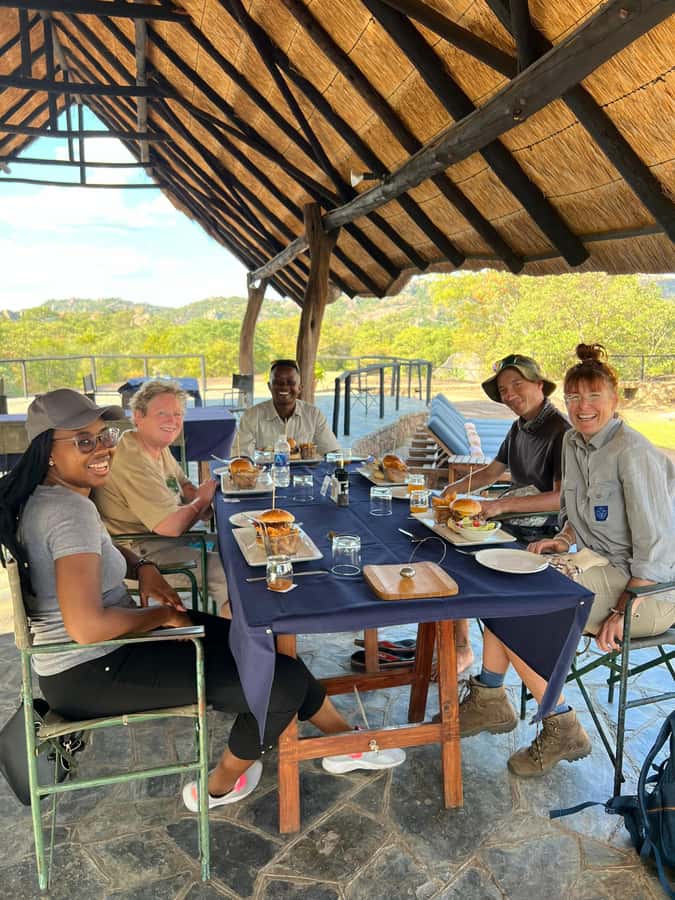
Lunch is included at a local spot in the Matobo Hills, and the reports describe it as excellent, often at a lodge with a beautiful view. That’s not small. After hours of walking, wildlife focus, and history stops, a proper sit-down meal makes the whole day feel balanced.
Still, there’s one scheduling reality to keep in mind. One described drawback is that lunch can run late when rhino tracking takes longer. The workaround is to plan mentally for a flexible lunchtime. If you’re the type who eats only at strict times, pack a little patience.
Because fruit and snacks are mentioned as part of the day, you’re usually not arriving hungry and empty at the lunch stop. That also makes it easier to handle the uneven timing that comes with wildlife work.
Price and Value: Is $140 Fair for an 8-Hour Rhino Day?
At $140 per person for an 8-hour day, the main value question is simple: what are you getting that you could not easily recreate on your own?
Here’s what is clearly included:
- Guided tour of Matobo Hills
- Opportunity to track rhinos on foot
- Bushmen paintings visit
- Balancing rocks and sacred site viewing
- Lunch at a local spot
- Entry fees and taxes
- Pickup and drop off
- Bottled water and drinks
Then add the intangible value: a guide like Blessing, described as careful, punctual, and focused on rhino behavior and safety. That expertise is hard to copy without paying for a proper local operator.
Could you spend less by going independently? Maybe, depending on transport and access rules. But you’d likely lose the coordinated rhino tracking component and the structured stops that tie history and art together.
So for most people, $140 feels fair because it bundles wildlife tracking, heritage sights, and meals into one organized day with transport handled.
Who This Trip Fits Best, and Who Should Rethink It
This trip is built around walking and being outside for long stretches. It’s not suitable for wheelchair users, and it’s also not suitable for people with back problems.
It suits you if:
- You want rhino tracking on foot, not a distant drive-by
- You like guided history and rock art stops, not just wildlife
- You can walk on uneven ground in outdoor conditions
- You prefer a structured day rather than improvising transport and timing
It might not suit you if:
- You need very long breaks or cannot handle moderate walking
- You hate the idea of waiting for animals to show up, even when the guide keeps working
What to Bring and What Not to Wear in Matobo
Bring the basics seriously. The tour specifically lists:
- Sun hat
- Sunscreen
- Insect repellent
- Closed-toe shoes
And you should expect outdoor weather changes, so bring clothing that works for sun and cooler moments.
One clothing rule is also clear: bright colors are not allowed. That’s likely to reduce disturbance and help keep the rhinos calm, so follow it. Dark, neutral tones generally make your life easier and fit the rules.
Also, wear comfortable walking shoes. Rhino tracking is on foot, and you’ll want grip and comfort more than style.
My Take: Should You Book This Rhino Tracking Day Trip?
If you’re in Bulawayo and you want one Matobo day that mixes rhino tracking on foot with Bushmen rock art and Rhodes’ history, I think this is a smart use of time. The guide, Blessing, is repeatedly described as responsible and focused on teaching you how to behave when rhinos come close, and that turns the day from a thrill into a genuinely meaningful experience.
Book it if you can walk comfortably, you’re okay with timing that depends on wildlife, and you want a guided blend of animals plus heritage stops.
Skip it if you cannot handle walking, you have back issues, or you need a fully predictable schedule down to the minute. Wildlife days move, and Matobo makes you feel that in the best way.
FAQ
How long is the Matobo Hills day trip with rhino tracking?
It runs for 8 hours.
Where does the tour start, and is pickup included?
Pickup is included in Bulawayo. You meet the tour guide in a white open safari truck, and you return back to Bulawayo.
Is the tour guided, and what language is it in?
Yes. There is a live English-speaking guide.
What rhino experience is included?
You get an opportunity to track rhinos on foot, guided by the tour leader.
What stops and sights are included besides rhino tracking?
The tour includes Bushmen paintings, balancing rocks viewing, sacred sites, and a visit to Cecil Rhodes’ final resting place.
Is lunch included, and where is it served?
Lunch is included and is served at a local spot in the Matobo Hills.
What should I bring?
Bring a sun hat, sunscreen, insect repellent, and closed-toe shoes.
Are there any clothing rules?
Yes. Bright colors are not allowed.
Matobo Hills & Bulawayo Tours, compared.
 ★ 5.0The Best of MatoboFrom $14039 reviews
 ★ 5.0Matobo Rhino EncounterFrom $12033 reviews
 ★ 4.5Matopos Half Day ExcursionFrom $12015 reviews
 ★ 5.0Bulawayo Airport TransfersFrom $408 reviews
 ★ 5.0Bulawayo to Victoria Falls TransfersFrom $5407 reviews
 ★ 5.0Khami Ruins Day TripFrom $806 reviews
 ★ 5.0Khami Ruins & Matopos Silunguzi Village Day Tour!From $1454 reviews
 ★ 5.0Silunguzi Matopos Village & Rock Paintings Visit !From $954 reviews
Browse the lists this tour appears in