
REVIEW · GREAT ZIMBABWE & MASVINGO TOURS
Great Zimbabwe
Dry-stone walls can feel surprisingly alive. Great Zimbabwe is a UNESCO World Heritage Site where you walk among the freestanding structures of an ancient state, built with dry stone and decorated with bold chevron patterns. You also get the museum side of the story, plus music and food to round out the day.
What I really like is the way the site makes history physical. Those monumental enclosures and valley ruins are built right in front of you, and the guided explanation helps you understand what you are seeing, not just what it used to be.
I also love the cultural add-ons. The Zimbabwe bird sculptures in the museum and the Mbira music at the cultural village give you context beyond the stones. One drawback to plan for: this is a long day (about 12 hours) and you start early, so you’ll want to be ready for sun and heat.
In This Review
- Key highlights worth planning for
- Morning pickup and the long road to Great Zimbabwe
- Late breakfast, then a guided walk through UNESCO ruins
- Great Enclosure and the hill-and-valley layout you should picture
- Chevron patterns and what they mean when you’re standing in front of them
- The museum stop for Zimbabwe bird carvings
- Picnic barbecue and Mbira music at the cultural village
- Small group size, mobile ticket, and practical comfort
- Price and logistics: is $260 good value?
- Weather matters for ruins time
- Should you book Great Zimbabwe?
- FAQ
- What time does the Great Zimbabwe tour start?
- How long is the tour?
- Is pickup included?
- What meals are included?
- How large is the group?
- Is the tour dependent on weather?
- What is the cancellation window for a full refund?
Key highlights worth planning for
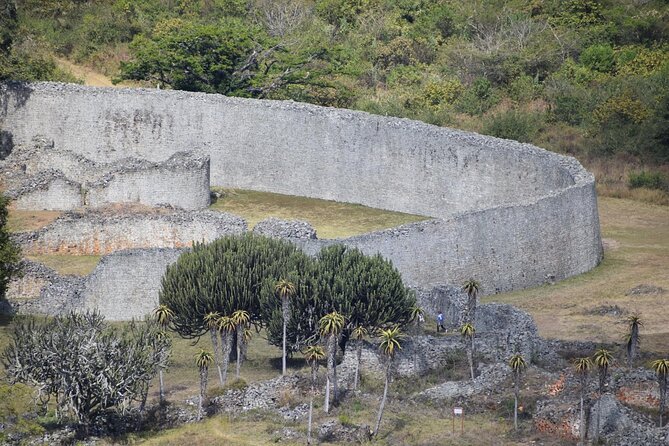
- Dry-stone architecture you can actually walk through, including freestanding walls and enclosures
- Original chevron patterns tied to symbolism you’ll hear about as you tour
- Great Enclosure, hill complex, and valley ruins in one organized loop
- Museum stop with Zimbabwe bird carvings that connect craft to place
- Mbira music performed as part of everyday meaning, not just a show
- Small group size with a maximum of 8 travelers, often making the visit feel personal
Morning pickup and the long road to Great Zimbabwe
The day kicks off at 6:00 am, and the early start matters. Most people will not reach Great Zimbabwe on their own time, so pickup is a big help if you want the day to feel smooth from the first hour.
You’re also signing up for real travel time. If you are coming from farther cities, expect a several-hour road trip each way. In practice, that means you do not want to start the day hungry or under-prepared, because you’ll want your energy for the walk and the sun once you arrive.
The good part is what happens before the main ruins time. You’ll have a late breakfast, more like a brunch, before the guided tour. That timing is practical: it gives you fuel without turning the site visit into an eating scramble.
Late breakfast, then a guided walk through UNESCO ruins
Once you arrive, the ruins portion starts with guidance and pacing. The guided tour is about 2 hours, which is a sweet spot. Long enough to learn the big ideas, but not so long that you feel fried in the heat.
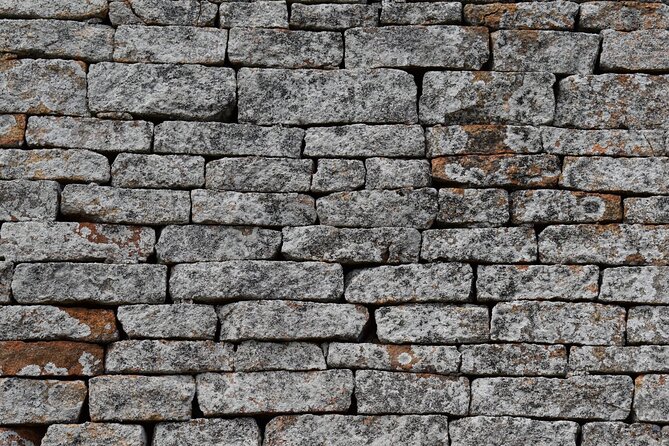
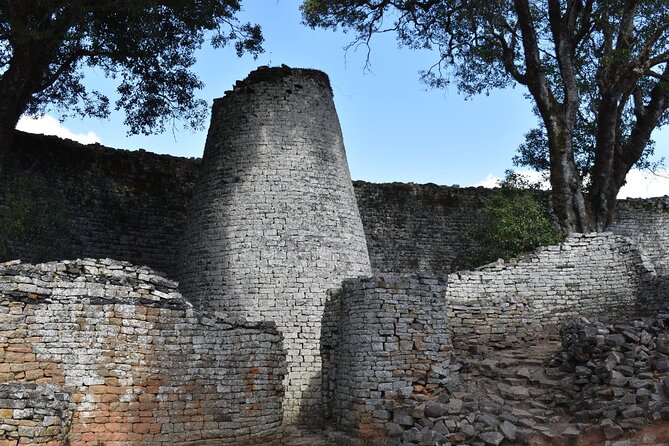
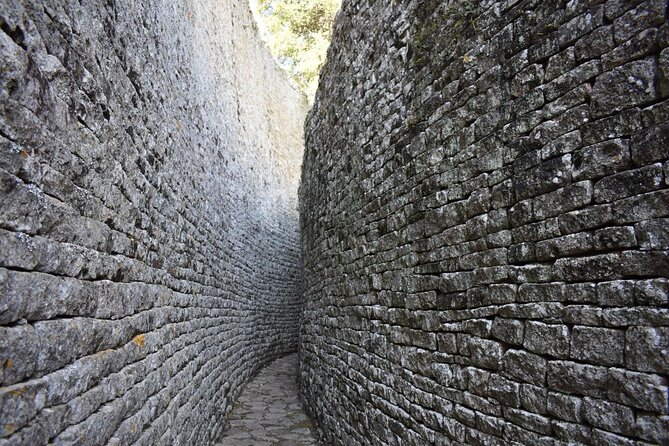
Great Zimbabwe is famous for a city founded in the 9th century, with stone building on a massive scale. The dry-stone approach is a key detail you’ll hear again and again. You are not looking at collapsed ruins for a quick photo. You’re looking at freestanding structures made completely of dry stone, still holding form after centuries.
Another reason the guidance matters: the tour is not just “walk here, look there.” You get an explanation of how the kingdom functioned and what the architecture suggests about the state that built it. You also learn why Great Zimbabwe is often compared in size to Egypt’s pyramids, not because you are touring pyramids, but because the engineering footprint is that large.
If you care about context, this is where the value shows. The guide helps you turn scattered walls into a map of meaning.
Other visits to the stone city and Masvingo
Great Enclosure and the hill-and-valley layout you should picture
The ruins are commonly described in parts, and I recommend you think of them as three different “zones” rather than one blur of stones.
First is the Great Enclosure, a central feature that helps you grasp the scale and planning. Then comes the hill complex, which changes how you view the site. It’s a reminder that this was not random building. The arrangement helps you understand how space shaped daily life and authority.
Finally, the valley ruins give you a different angle on settlement and function. When the guide points these out in sequence, you can connect the dots: the main enclosures, the upper works on the hills, and the lower areas in the valley.
Heat and footing are the only real issues during this part. Closed-toe walking shoes help a lot, because the ground can be uneven and you will be moving steadily. If you go in with sandals, you’re likely to regret it.
Chevron patterns and what they mean when you’re standing in front of them
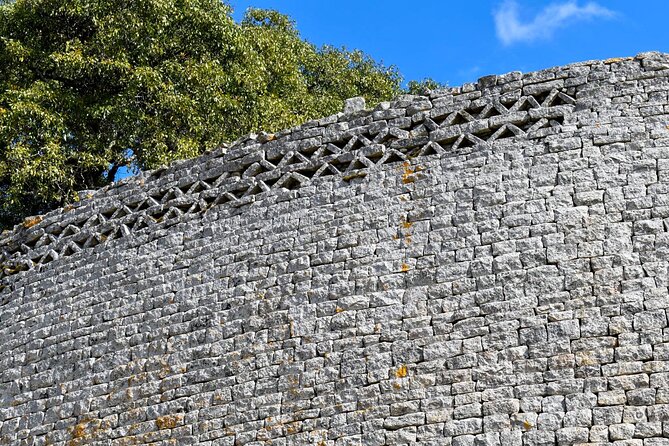
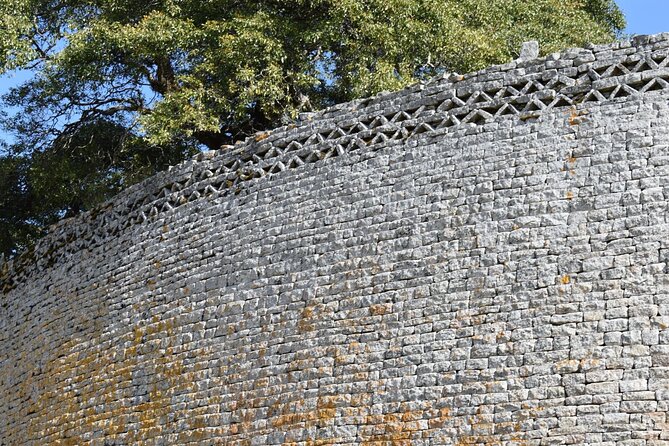
One of the most memorable details you’ll see is the original chevron patterning on stone surfaces. These aren’t decorations added for modern tourists. They are part of the original design language of the site, and they matter for interpretation.
During the tour, you’ll get the symbolism behind the pattern, including how it relates to fertility. That may sound abstract, but seeing the repeated design in real scale makes it easier to understand why symbolic motifs were incorporated into architecture.
Practical tip: slow down when you spot chevrons. If you treat them like background, you miss the point. Take a moment, look from different angles, and let the guide’s explanation sink in.
Also, bring sunglasses. Even on cloudy mornings, bright light and open stone can get harsh fast.
The museum stop for Zimbabwe bird carvings
Between the enclosures and the cultural portion, the day includes a museum housing original Zimbabwean bird stone carvings. This is a valuable stop because it adds craft and symbolism to what you just saw in architecture.
Bird imagery is part of how people connect place, identity, and meaning. When you see the carvings up close, you can better understand why the site is not just a feat of engineering. It is also a canvas for artistic expression.
The museum itself is not described as huge, so don’t expect an all-day indoor break. Think of it as a focused add-on that refreshes your eyes after the outdoor walking, while still staying tied to the same story.
Picnic barbecue and Mbira music at the cultural village
After the ruins and museum, you shift from stones to taste and sound. Lunch is described as a hearty Zimbabwean meal, with a picnic barbecue included.
I like this setup because it keeps the momentum. You are not spending your day hunting for food between stops. You’re taken from site time into meal time, so you can rest without losing the schedule rhythm.
Then comes the cultural village, where you’ll experience traditional Mbira music. This is not pitched as generic entertainment. You’ll hear it described as integral to life and used to communicate with higher spirits.
Even if you are not an expert in Mbira, this part can land because it reframes the entire day. You went from interpreting stone patterns to experiencing a living tradition. That connection is why the cultural stop feels more than “extra.”

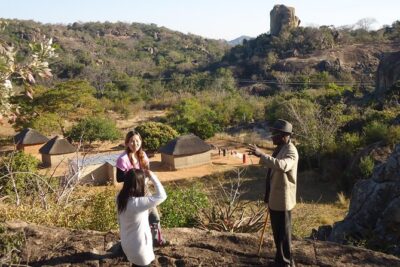
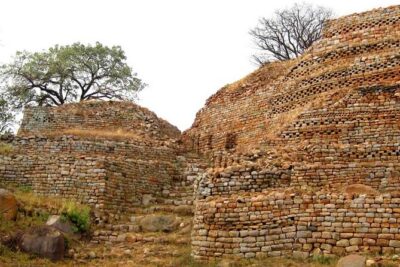
Small group size, mobile ticket, and practical comfort
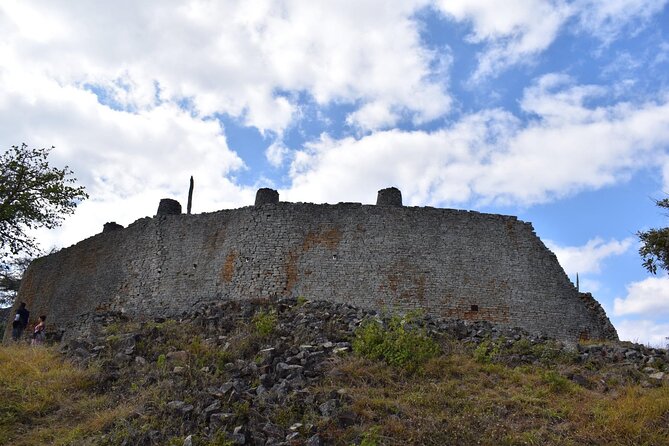
This tour runs with a maximum of 8 travelers, which changes the feel. With smaller groups, guides can keep explanations clear and adjust pace when someone needs a break or wants an extra look at a detail.
You also get pickup offered, and you’ll use a mobile ticket. Those are the kinds of small logistics that matter when you are starting at 6:00 am and want fewer stress points.
What to bring is not optional here. The essentials listed are exactly right for the conditions you’ll likely face:
- Closed-toe walking shoes
- Hat
- Sunglasses
- Sunscreen
- Insect repellant
If you do just one thing, do shoes. Your best cultural photos and best learning moments both depend on being comfortable while you walk.
One more note: service animals are allowed, and the tour notes that most travelers can participate. If you have mobility concerns, you might still want to ask how much walking is expected during the outdoor ruins time, since the schedule suggests a steady visit.
Price and logistics: is $260 good value?
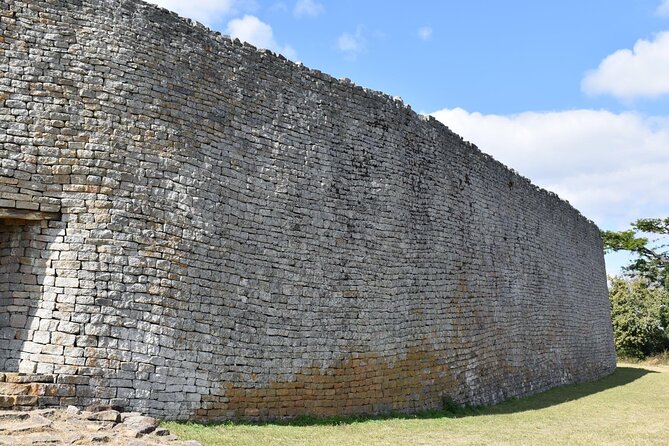
At $260 per person, you should judge value by what’s included, not just the headline number.
This day bundles several things that are hard to assemble alone:
- Pickup and transport to the site
- A guided 2-hour ruins tour
- A late breakfast before touring
- A hearty Zimbabwean lunch with picnic barbecue
- A cultural village experience with Mbira music
Also, booking pace matters. It’s noted that it’s commonly booked about 21 days in advance. That suggests the tour can be limited in slots, and small-group tours often fill without much notice. If you want your dates to stay flexible, book sooner rather than waiting for “maybe.”
If you compare doing this on your own, the transportation and guided explanation are usually the expensive parts to replicate. For many people, the cost makes sense because the day becomes organized and time-efficient, not because you’re buying luxury.
Weather matters for ruins time
Great Zimbabwe depends on good weather. The tour notes that if the experience is canceled due to poor weather, you’ll be offered another date or a full refund.
This is important because dry-stone ruins are still stone. Rain can mean slick ground and reduced comfort, plus less enjoyable viewing. If the forecast looks rough, it’s worth considering whether you’d be disappointed by a shift in timing.
Should you book Great Zimbabwe?
I think you should book if you want an organized, meaning-focused way to see Great Zimbabwe. The combination of dry-stone architecture, guided explanation, the museum’s bird carvings, and Mbira music turns a single site visit into a full day of cultural context.
Book it if you:
- Like history that you can interpret on-site, not only read later
- Enjoy small-group tours where you can hear details clearly
- Want both ruins and culture in one trip
- Are comfortable with early mornings and several hours of walking outdoors
Skip it or at least ask more questions before booking if you:
- Struggle with long days or early starts
- Have concerns about uneven outdoor surfaces
- Don’t tolerate sun well and don’t plan to pack the listed gear
If you’re even slightly curious about how architecture, symbolism, and tradition connect, this is one of those tours that gives you enough time to understand what you’re seeing before the day ends.
FAQ
What time does the Great Zimbabwe tour start?
The start time is 6:00 am.
How long is the tour?
The duration is about 12 hours.
Is pickup included?
Yes, pickup is offered.
What meals are included?
You’ll have a late breakfast (more like brunch) before the guided tour, and then a Zimbabwean lunch, described as a picnic barbecue.
How large is the group?
This experience has a maximum of 8 travelers.
Is the tour dependent on weather?
Yes. The tour requires good weather. If it’s canceled due to poor weather, you’ll be offered a different date or a full refund.
What is the cancellation window for a full refund?
You can cancel for a full refund up to 24 hours in advance of the experience start time.
More Tour Reviews in Zimbabwe


Great Zimbabwe and Masvingo
Other Zimbabwe Tours in Our Notebook
- Great Zimbabwe Ruins Tour from Bulawayo with Picnic Lunch !
★ 5.0 · 3 reviews - Khami Ruins & Matopos Silunguzi Village Day Tour!
★ 5.0 · 4 reviews - Zimbabwe: Sundowner Cruise (Standard) Zambezi River
★ 4.8 · 5 reviews - Khami Ruins Day Trip
★ 5.0 · 6 reviews - Bulawayo to Victoria Falls Transfers
★ 5.0 · 7 reviews - Bulawayo Airport Transfers
★ 5.0 · 8 reviews
Great Zimbabwe & Masvingo Tours, compared.
 ★ 5.0Great Zimbabwe Tour from HarareFrom $4006 reviews
 ★ 5.0Great Zimbabwe: The World’s View Historical Site !!From $4004 reviews
 ★ 5.0MASVINGO; GREAT ZIMBABWE MONUMENT TOUR – FROM HARAREFrom $3154 reviews
 ★ 5.0Great Zimbabwe Ruins Tour from Bulawayo with Picnic Lunch !From $3503 reviews
Browse the lists this tour appears in