
REVIEW · MATOBO HILLS & BULAWAYO TOURS
The Best of Matobo
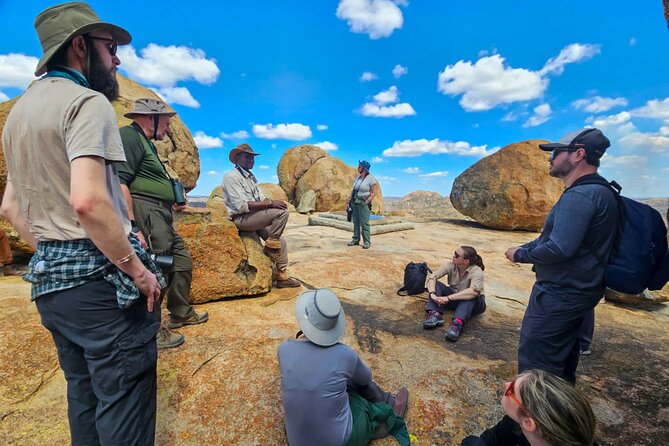
Matobo National Park has a way of feeling personal fast. This tour mixes rhino tracking with big-picture history, from Cecil John Rhodes to Ndebele kings, plus thousands-year-old cave paintings. You also get that special Matobo feel, wide skies, big rock formations, and a sense of time layered on top of time.
Two things I really like here. First, the small group (max 8) keeps the day from feeling rushed, so you can actually ask questions and stop when something matters. Second, the day includes an open-air BBQ lunch, which turns the middle of the tour into a real break instead of just another transfer.
One consideration: the day asks for moderate physical fitness. You will be on uneven ground, and you may be asked to climb onto rocks or move at a walking pace, even if the guides can help you take it slower. If you’re sensitive to steep, slippery spots, wear proper shoes and plan to move carefully.
In This Review
- Key points to know before you go
- The Matobo day that stays small, even when it gets big
- Rhodes’ grave and the viewpoints that make the rocks feel sacred
- Rhino tracking in Matobo, and why sightings can be more than luck
- Bushmen cave paintings: learning the clues behind the art
- Ndebele and Matebele stories, plus the Shangani Patrol turning point
- The order of stops, and what the day feels like from pickup to lunch
- What you actually get for $140, and when it’s a smart value
- Practical tips so you stay comfortable and get the best out of it
- Should you book The Best of Matobo?
- FAQ
- What time does the tour start?
- How long is the tour?
- What is the group size limit?
- Is pickup offered and are transfers included?
- Is lunch included?
- What should I wear or bring?
- Is there free cancellation?
Key points to know before you go
- Max 8 travelers, so you get a more personal guide-to-guest ratio.
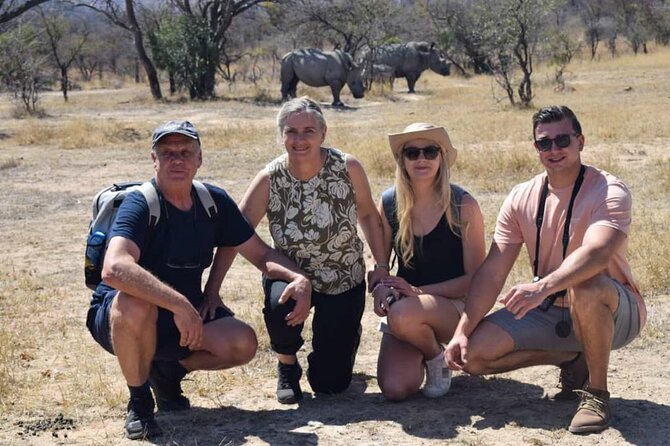
- Rhino encounters are part of the plan, and sightings can include multiple rhinos in one outing.
- Rhodes’ grave and major viewpoints are built into the route, not an afterthought.
- Ancient cave paintings are explained in a way that connects people and animals, including conservation.
- Open-air BBQ lunch with a pause for views, not just sitting in a vehicle.
- Guides like Blessing, Bongani, and Jordan are repeatedly praised for being patient and informative.
The Matobo day that stays small, even when it gets big

Matobo is the kind of place where you feel the scale. You look out over wide rock country, then you look down and realize the ground has its own story. This tour plays that effect well because it stays small-group, capped at 8 travelers, which helps everything run smoother and less crowded.
The “six-hour tour” is the core, but plan on about 8 hours total once you include pickup and the full drive between stops. That extra time matters. It gives your guide room to move you between key sites without sprinting, and it helps you reach wildlife areas while conditions are still favorable.
What you get most is not just photo stops. You get context as you go. A good example is how the day links rhinos and Bushmen rock art, then shifts from ecology to colonial-era history without making it feel like whiplash. If you like tours that connect dots, you’ll appreciate that pacing.
One more practical point I like: you’re not locked into a single “watch from afar” style. The tour includes time for opportunities to spot animals and birds, so you’re not just driving between viewpoints. You’re scanning, listening, and stopping when something is happening.
Rhodes’ grave and the viewpoints that make the rocks feel sacred
Cecil John Rhodes’ burial place is one of those stops that can feel heavy, even if you’re not a history nerd. Here, it works because you don’t just get the location. You get the why behind it, plus the way the wider region’s history collided with European settlement.
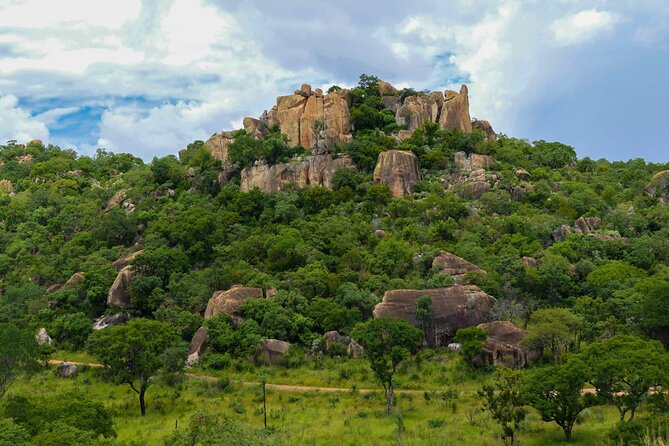
From there, you also visit major lookout points overlooking Matobo National Park. One highlight is the kind of famous view area often referred to as World’s View, which is directly tied to Rhodes. The result is a mix of scenery and context, where you can look out and understand why this area mattered to different groups at different times.
Why this matters for your day: viewpoints are only worth it if you understand what you’re looking at. This tour’s approach helps you read the area instead of just admiring it. You learn about the landscape’s sacred significance and historical sites, including places linked with colonial-era influence.
Also, there’s a very Matobo-style physical element here. The rocks are not flat. You may get chances to climb for better angles. Reviews note that guides can be patient and helpful, even for guests using a cane. Still, you should take it seriously: bring your best grip shoes and expect some scrambling.
More days out of Bulawayo and the Matobo Hills
Rhino tracking in Matobo, and why sightings can be more than luck
Rhino tracking is the headline for a lot of people, and this tour treats it like more than a checkbox. You’re in Matobo National Park, and you’re specifically there to learn about rhino reintroduction efforts while also being in the right areas to spot animals.
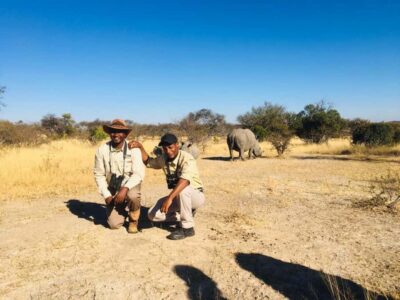
In past outings, guests have reported impressive variety: one review mentioned seeing seven different rhinos during the tour, plus zebra, wildebeest, baboons, small antelope, and countless bird species. That kind of mix is not guaranteed, but it tells you something important: the tour doesn’t just chase one animal and move on.
The best part is how the guide connects what you’re seeing to conservation. The tour explains the secrets behind the Bushmen paintings and how they connect to the successful reintroduction of rhinos to Matobo National Park. Even if you never fully connect every detail, the thread makes the rhino sightings feel meaningful, not random.
A practical note: rhino tracking is usually a patience game. You’ll want to keep your eyes up and your ears open, and you may spend time scanning rather than walking fast. If you’re the type who likes quiet attention, you’ll probably enjoy this part more than you expect.
And because this is a small group, it tends to work better than big-bus style wildlife watching. Fewer people means less noise, easier viewing angles, and more ability for the guide to manage the pace.
Bushmen cave paintings: learning the clues behind the art
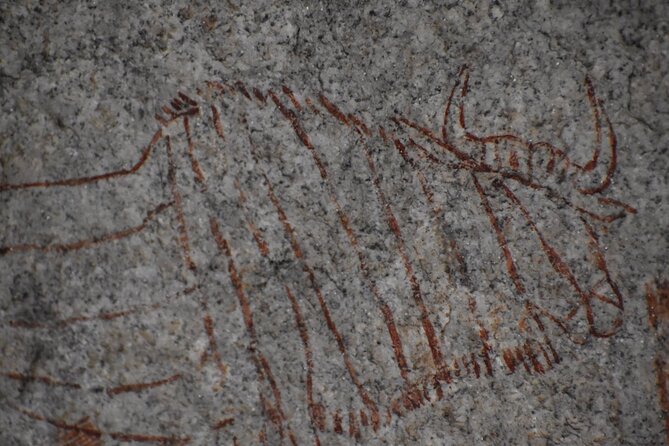
Matobo’s rock art is a major reason people come, and this tour handles it with care. You’ll learn about the cave paintings that are described as thousands of years old, and you’ll hear the meaning behind them rather than just being pointed at a wall.
What I like about this approach is the connection. The paintings are not presented as an isolated cultural artifact. They’re tied to the practical conservation story around rhinos. That link gives you a reason to pay attention during the art explanation, instead of treating it as a stop to tick off.
This is also where history becomes ecology. You start thinking about how humans lived in the same space long before modern borders. Then you connect that to how rhinos and other wildlife survived, and how the park works today to protect them.
If you’re someone who wants cultural sites explained clearly, this is the section that usually feels most rewarding. The guide’s job is not only to describe what you see, but to help you understand why those images mattered to the people who made them, and why the park still cares.
Just remember: rock art experiences are best when you stay flexible. You might have to focus, listen, and avoid rushing photos. The tour’s pacing supports that.
Ndebele and Matebele stories, plus the Shangani Patrol turning point

The “Best of Matobo” theme works because it doesn’t shrink history to one era. You’ll learn about the region’s history from Ndebele and Matebele warriors through the Shangani Patrol, plus the interactions between Ndebele kings and first European settlers.
This is not just names on a timeline. The tour emphasizes conflict and consequence, including the Matabele wars and a dramatic point connected to the Shangani Patrol, where 3000 warriors killed that patrol. That’s a huge event in the story of European-African relations in the region, and it helps explain why Matobo is not only about wildlife.
Why this section is valuable for you: if you’ve ever felt lost when visiting former conflict zones, you know how easy it is to miss the human stakes. This tour gives you a guided storyline, so your viewpoints and cave sites start to feel connected to real people.
It also adds depth to the Rhodes stop. Without this context, Rhodes can feel like a separate chapter. With it, you see the larger collision of power, culture, and land use that shaped what happened next.
One more thing I appreciate: a good guide helps you hold both perspectives. You learn about European arrival and conflict, but you also learn about African leadership and warriors, including the role of the kings. That balance tends to make the day feel more grounded.
The order of stops, and what the day feels like from pickup to lunch
Your day starts at 9:00 am, and pickup is offered. The tour is built around Matobo Hills, Indaba, and Matobo National Park, with time set aside for key moments like viewpoints, rhino tracking, and cave painting explanations.
Here’s the feel of the pacing. You start with scenic drives and heritage stops that put the region in context. Then you move into wildlife time, where scanning and patience become the rhythm. Finally, you return to cultural anchors, including cave paintings and the Rhodes-linked viewpoint, so your day ends with meaning, not just animal sightings.
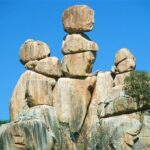
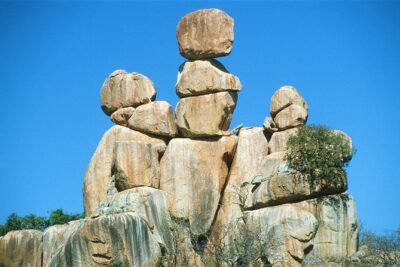
You’ll also hear explanations about sacred and historical sites, plus the “balancing rocks” that Matobo is known for. Those rock formations are more than scenic backdrops here. Your guide uses them to connect place to story.
Lunch is a high point. You end with a tasty open-air BBQ lunch at a favorite spot in Matobo Hills. This matters because you get a break during the day, and it also gives you a different kind of view. You’re sitting still enough to see how the air moves, how birds carry through the area, and how the park feels when it is not a moving itinerary.
If you’re planning your photos, think of the day in three modes: early context and views, mid-day wildlife scanning, and late-day art and lunch. You’ll get better shots because you’re not constantly switching mindsets.
What you actually get for $140, and when it’s a smart value
At $140 per person, this is not a cheap add-on. But when you look at what’s included, it can be good value, especially if you’re traveling with a small group or you care about guided interpretation.
You get:
- A 6-hour small-group history and heritage focus in Matobo National Park
- BBQ lunch
- Souvenir digital photos
- Hotel transfers plus pickup offered
- A guide-led mix of rhino tracking, cave art, and historical context
The best value angle is the “all-in” nature of the experience. With pickup, transfers, lunch, and photos included, you’re not piecing together multiple half-day activities. You’re buying one guided day that covers the major anchors: rhinos, rock art, and the region’s layered history.
The other value angle is group size. Max 8 travelers means you’re not sharing your guide with a crowd. If you’ve ever been stuck listening while someone else asks every question, you’ll feel the difference here.
One caution on expectations: you cannot plan your day around one guaranteed animal sighting. This is tracking and opportunities, not a promise. Still, the reviews show that sightings can be surprisingly strong, including multiple rhinos in a single tour.
Practical tips so you stay comfortable and get the best out of it
Pack like you’re going out for sun, dust, and some uneven footing. The tour suggests:
- Closed-toe shoes
- Khakis
- Sun hats
- Sunscreen
- Insect repellent
Those items are not just generic travel advice. Matobo conditions can be harsh, and long viewing sessions are easier when you’re protected. Closed-toe shoes are also your best friend if you climb onto rocks for a view.
Bring something for hydration, even if you are not told exactly what to expect for water during the day. Also, plan to be patient during wildlife time. Your guide will manage the pace, and you’ll get more out of the scanning if you slow your brain down a little.
If you want to maximize what you learn, go in with one question you care about. For some people it’s rhino conservation and reintroduction, for others it’s the meaning of Bushmen paintings, and for history lovers it’s the Ndebele kings and European settlement interactions. Guides like Blessing and Bongani have been praised for being patient and informative, including helping guests adjust their pace on rocky viewpoints.
Should you book The Best of Matobo?
Book it if you want a Matobo day that balances rhino tracking, cave art, and real historical context in a small group. This works especially well for first-time visitors who want the highlights without turning it into a stressful checklist.
Skip it if you dislike physical walking on uneven ground or if you only want one narrow focus, like pure wildlife without history. Also, if you need a fully relaxing, no-movement day, you might find the rock-and-view portions a bit active.
For most travelers, the decision comes down to this: you’re paying for a guided experience that wraps conservation, heritage, and scenery into one half-day style outing, with lunch and transfers included. If that sounds like your kind of day, it’s an easy yes.
FAQ
What time does the tour start?
The tour starts at 9:00 am.
How long is the tour?
It runs for about 8 hours total, with a 6-hour small-group tour included in that time.
What is the group size limit?
This activity is capped at a maximum of 8 travelers.
Is pickup offered and are transfers included?
Yes. Pickup is offered, and hotel transfers are provided.
Is lunch included?
Yes. You’ll have a BBQ lunch during the tour.
What should I wear or bring?
You should wear closed-toe shoes, khakis, and a sun hat, and bring sunscreen and insect repellent.
Is there free cancellation?
Yes. You can cancel for a full refund up to 24 hours in advance of the experience start time.
More Tour Reviews in Zimbabwe




Matobo Hills and Bulawayo
Other Zimbabwe Tours in Our Notebook
- Great Zimbabwe Ruins Tour from Bulawayo with Picnic Lunch !
★ 5.0 · 3 reviews - Khami Ruins & Matopos Silunguzi Village Day Tour!
★ 5.0 · 4 reviews - Zimbabwe: Sundowner Cruise (Standard) Zambezi River
★ 4.8 · 5 reviews - Khami Ruins Day Trip
★ 5.0 · 6 reviews - Bulawayo to Victoria Falls Transfers
★ 5.0 · 7 reviews - Bulawayo Airport Transfers
★ 5.0 · 8 reviews
Matobo Hills & Bulawayo Tours, compared.
 ★ 5.0Matobo Rhino EncounterFrom $12033 reviews
 ★ 5.0Matobo Hills Day Trip with Rhino TrackingFrom $14022 reviews
 ★ 4.5Matopos Half Day ExcursionFrom $12015 reviews
 ★ 5.0Bulawayo Airport TransfersFrom $408 reviews
 ★ 5.0Bulawayo to Victoria Falls TransfersFrom $5407 reviews
 ★ 5.0Khami Ruins Day TripFrom $806 reviews
 ★ 5.0Khami Ruins & Matopos Silunguzi Village Day Tour!From $1454 reviews
 ★ 5.0Silunguzi Matopos Village & Rock Paintings Visit !From $954 reviews
Browse the lists this tour appears in