
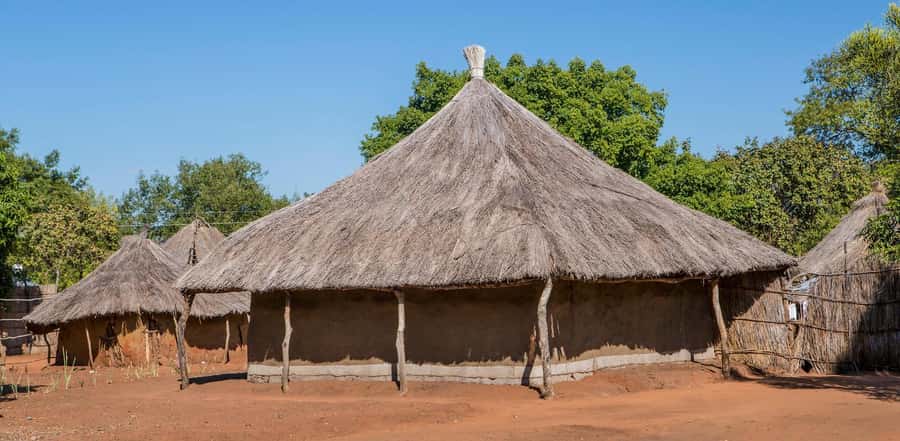
REVIEW · CHINOTIMBA & VICTORIA FALLS VILLAGE TOURS
Cultural And Village Tour
Two hours can feel personal. In Mukuni village near Victoria Falls, I like meeting the village elders and visiting the local craft village, both guided in English with a small-group feel. It is the kind of cultural stop where you can ask real questions, not just watch from the back.
You also get practical value for the price. Return transfers are included, and you are meant to leave with more than photos, like a chance to taste traditional food.
One thing to weigh carefully is time on the ground. Some departures may spend less time on the activities described, so if schools or cooking demonstrations are your top priorities, confirm what will be included on your exact day.
In This Review
- Key Highlights Worth Knowing Before You Go
- Where Mukuni Village Fits in the Victoria Falls Area
- Price and Logistics for a 2-Hour Cultural Stop
- Entering Leya Culture Through the Craft Village
- Village Elders: The Conversation Part You Cannot Fake
- Traditional Food and Daily Life Stops, Plus What Might Change
- Drive Time, Pickup Timing, and How to Protect Your Expectations
- Small Group of 2: Why That Matters on a Village Tour
- Culture Comes With Boundaries, So Handle Them Smartly
- Who This Tour Suits Best
- Should You Book This Cultural and Village Tour?
- FAQ
- Where does this tour take place?
- How long is the cultural and village tour?
- What is included in the price?
- Is the tour guide available in English?
- How big is the group?
- Is the tour wheelchair accessible, and what about cancellation?
Key Highlights Worth Knowing Before You Go
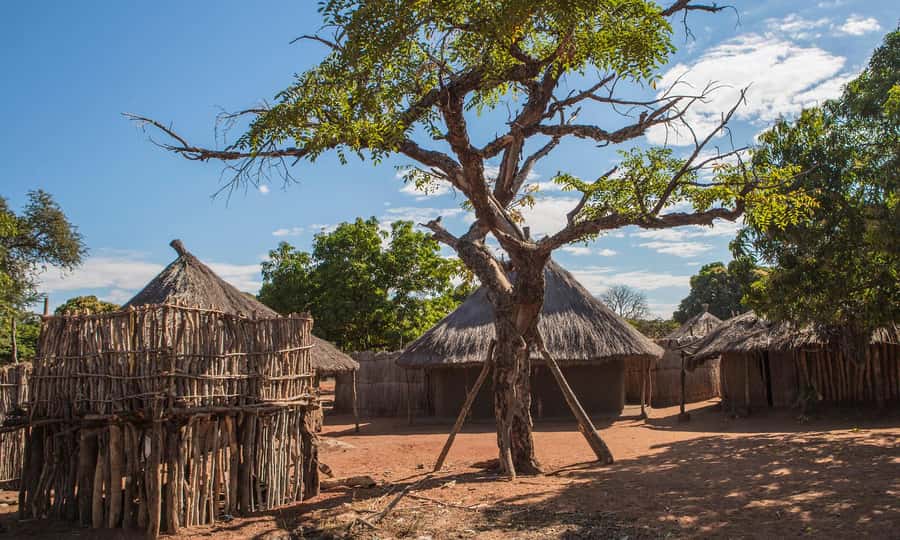
- Small group up to 2 participants, so you get more back-and-forth time with your guide
- Craft village visit, a focused way to see how local makers share tradition
- Elder interaction that turns a photo stop into a conversation
- Traditional food tasting is part of the experience, not just a word on a brochure
- Timing can be tight, so ask what stops are guaranteed on your departure
Where Mukuni Village Fits in the Victoria Falls Area

This cultural and village tour takes place in the Victoria Falls region, tied to Mukuni village and the Leya community. Your booking may show Matabeleland North, Zimbabwe, while the experience itself is described in relation to Livingstone and the Victoria Falls area, which is why pickup details matter.
In practical terms, you are doing a short, guided trip meant to fit around longer days in the Falls area. That short duration is good if you want a cultural add-on without losing your whole afternoon. It also means the schedule can feel compressed, especially if road conditions or pickup timing change.
If you care about smooth timing, I recommend you treat this like a “tight connection” plan. Show up ready, be punctual at pickup, and ask the guide to confirm the day’s exact flow so you know what to expect before you leave.
Price and Logistics for a 2-Hour Cultural Stop
The price is $40 per person for a 2-hour tour. For many travelers, what makes that number feel fair is that return transfers are included, plus drinks and snacks.
That “value math” changes a bit depending on what you actually experience on the day. When the village time matches the description, you can feel good about the price because you are paying for guided cultural access, not just transportation. When time on site gets cut short, you may feel like you paid for a short walk plus driving.
Group size is limited to 2 participants. That is a big deal for a cultural visit. You are not sharing attention with a big crowd, and it is easier to ask questions, slow down where you are curious, and get context rather than a rapid script.
The tour is also live guided in English and marked as wheelchair accessible. That matters because cultural tours can become harder to manage when the pace is fast or the route is steep. Here, the intent is to keep it workable for more travelers.
Other village and township visits we have written up
Entering Leya Culture Through the Craft Village
A highlight is the local craft village. This is where the tour can become more than a quick photo moment, because craft often explains everyday life. You get a chance to see how traditional skills are passed along and how people present their work to outsiders.
What I like about a craft stop on a village tour is that it gives you something concrete to talk about. Instead of asking only about beliefs or rituals in general terms, you can ask practical questions tied to the objects themselves: materials, tools, and what making something means in daily life.
You should also be prepared for some cultural boundaries. A craft village visit can include sales or requests to buy items, even if the main goal is education. If you are the type who hates pressure, tell your guide early that you are browsing only. A good guide will help you navigate politely.
This is also where small-group time helps. With only two participants, your guide can spend a bit longer on what you care about, like specific crafts or the stories connected to them.
Village Elders: The Conversation Part You Cannot Fake
The tour includes an opportunity to meet the village elders. This is often the heart of cultural tours, because elders can provide context that younger guides or quick stops might not cover.
I like elder interactions because they shift your role from viewer to listener. You are not just moving through rooms. You are hearing explanations for why certain traditions exist and how the community thinks about visitors.
This is also where etiquette can make a real difference. Keep your questions respectful. Avoid treating the conversation like a quiz. If you feel uncertain, start with simple curiosity, like what the craft village represents or how daily routines work.
One practical tip: if you want elder time to be meaningful, be ready with one or two questions you actually care about. Do not rely on general curiosity alone. A strong question gets you a strong answer, and that is what makes the tour feel worth your time.
Traditional Food and Daily Life Stops, Plus What Might Change
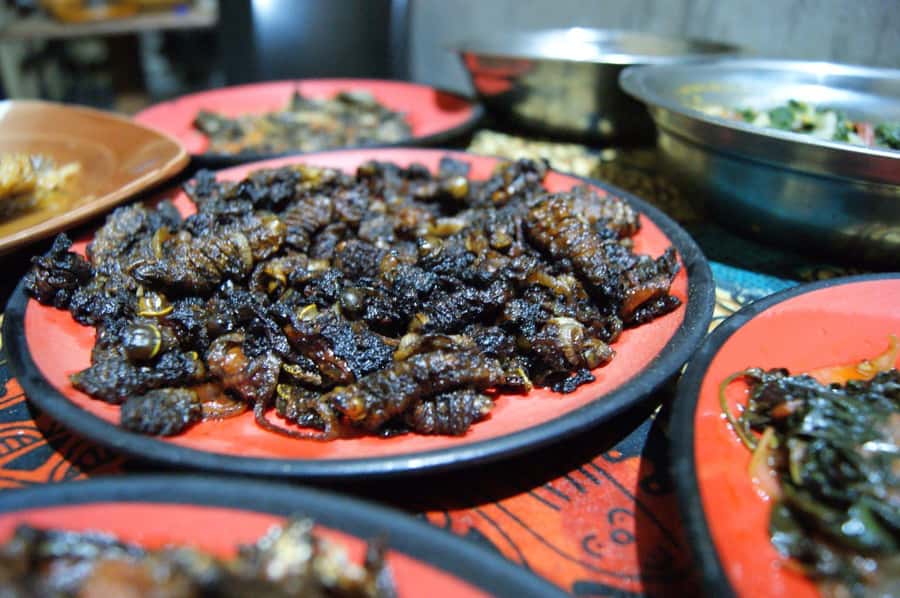
Traditional food tasting is part of the experience. In many cultural visits, food is where you get an immediate, sensory connection. You do not need background knowledge to understand it. You taste, you ask, you learn.
The experience description also points to interactive options like cooking traditional meals, practicing traditional dances, and visiting local schools and clinics. That is a lot for a 2-hour tour, and that is where expectations need a reality check.
From the pattern of experiences people report, one risk is that not every activity listed is guaranteed. Some departures may only manage a shorter walk-through and less time on the specific activities you might expect, such as schools or meal preparation. In some cases, village time can feel around an hour while driving adds time on both ends.
I would treat schools and clinics as “ask-first” items. Before you book or before your pickup, ask your guide what the planned stops are for your date. If the meal-cooking or dance practice is a must-do for you, confirm it clearly. A simple question like, What activities will we definitely do today? can save you disappointment.
If your top goal is seeing daily routines up close, prioritize the village elders, craft village, and any practical demonstrations you are offered. Those are the parts that usually deliver the most understanding, even when the schedule is tighter.
Drive Time, Pickup Timing, and How to Protect Your Expectations
This is a short tour, so transportation timing matters. Return transfers are included, but the total experience still depends on how quickly you can reach the village and how long you can stay once there.
Some people have reported tight timing, where the drive took roughly 15 minutes each way and the time inside the village felt closer to an hour than the full promise. Others have described late pickup and very brief village time, followed by additional stops.
That is the main thing to watch: if your day is tightly scheduled around Victoria Falls, give yourself buffer time. Do not plan a hard start time immediately after this tour. If you are coming from another activity, try to schedule a little breathing room.
If you want to avoid surprises, use your first minutes with the guide to set a mini-agenda. Ask, How long will we spend in the craft village and the main village areas? Will we visit any schools or clinics today? If the answers are unclear, that is your cue to ask again later in the day while you still can make choices.
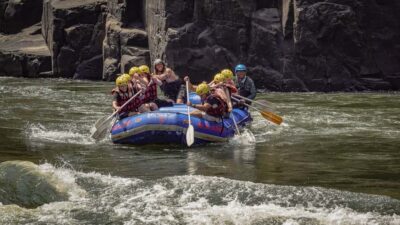


Small Group of 2: Why That Matters on a Village Tour
Most village tours are built around groups large enough to move quickly. This one is different on paper and in practice because the group can be limited to 2 participants.
That small group size changes the whole tone. You are more likely to get a conversational guide, not just a scripted walk. You can show genuine interest without feeling like you are slowing down a bus full of people.
It also helps with respect and comfort. With fewer people, you are less likely to feel like you are interrupting daily life for a crowd. And your guide can spend more time translating meaning behind what you are seeing, especially when you ask follow-up questions.
The tradeoff is that the tour can be more sensitive to timing hiccups. When the group is tiny, fewer people means less flexibility in rescheduling activities if something changes. Still, for many travelers, the benefit of personal attention is worth it.
Culture Comes With Boundaries, So Handle Them Smartly
Village visits work best when you treat them as a two-way exchange. You are learning from people, and they are sharing their home and traditions. That means you should be mindful of photography, personal space, and buying behavior.
I recommend you do two things before any craft or market element begins. First, decide your shopping stance ahead of time, like I will only look or I want one small item. Second, ask your guide how to respond if people approach with requests. A good guide will help you stay polite and calm without turning the visit into stress.
Also, keep your questions respectful. Cultural tours are not a stage show. If someone explains something spiritual or social, listen first. Ask only after they finish, and avoid turning everything into a debate.
If you can do that, you will get more than a checklist of sights. You will come away with a stronger sense of how traditions fit into everyday life.
Who This Tour Suits Best
This tour is a strong match if you want a short, guided cultural visit near Victoria Falls and you prefer a small group. It also fits travelers who enjoy craft and conversation, especially those who like learning through people rather than through museums.
It may be less ideal if your main goal is a tightly packed “activity menu,” like guaranteed school visits plus cooking plus dance practice. The schedule can be compressed, and some stops listed in the description might not happen on every departure.
If you are traveling with limited time, this is still worth considering. When the day hits the key stops, it becomes a memorable window into Leya community life, with elders and craft taking center stage. When the timing is short, you can still learn a lot, but you might want to adjust your expectations.
Should You Book This Cultural and Village Tour?
Book it if you want elder conversation, a craft village visit, and a short guided taste of Leya village life, all with included transfers and snacks. The small-group limit is a real advantage for questions and respectful pacing.
Consider another option or ask extra questions before you commit if you have very specific requirements like a guaranteed school or clinic stop and you want cooking or dance activities on the schedule every time. Because this is only 2 hours, the best results come when the day’s plan includes those moments, not just a quick walk-through.
If you do book, set yourself up for success: confirm the guaranteed stops for your date, plan buffer time around pickup and Victoria Falls activities, and go in ready to listen. You will likely leave feeling you learned something real, not just checked a location off your list.
FAQ
Where does this tour take place?
It is listed for Matabeleland North, Zimbabwe, and it is described as part of the Victoria Falls area experience connected with the Mukuni village and the Leya people.
How long is the cultural and village tour?
The tour duration is 2 hours.
What is included in the price?
Return transfers are included, along with drinks and snacks.
Is the tour guide available in English?
Yes, the tour includes a live tour guide who speaks English.
How big is the group?
The tour is a small group limited to 2 participants.
Is the tour wheelchair accessible, and what about cancellation?
The tour is listed as wheelchair accessible. You can cancel up to 24 hours in advance for a full refund.
More Tours Across Zimbabwe


More Tour Reviews in Livingstone



Chinotimba and the Villages Nearby


Other Zimbabwe Tours in Our Notebook
- Victoria Falls National Park: Horseback Safari
★ 5.0 · 3 reviews - GUIDED TOUR OF THE VICTORIA FALLS ON THE ZAMBIAN SIDE
★ 5.0 · 3 reviews - Victoria Falls and Mukuni Village Visit
★ 4.8 · 4 reviews - From Livingstone: Full or Half Day Canoe Safari
★ 4.3 · 4 reviews - Cultural And Village Tour
★ 4.1 · 4 reviews - Livingstone: Amazing Traditional Village & Dance Culture
★ 4.8 · 7 reviews
Chinotimba & Victoria Falls Village Tours, compared.
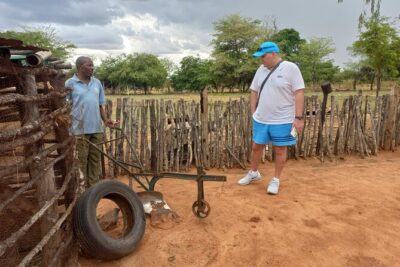 ★ 4.5Victoria Falls Rural Tour: Village Life ExperienceFrom $5015 reviews
 ★ 5.0Victoria Falls Gorge Hike & Farm to Table Village LunchFrom $12015 reviews
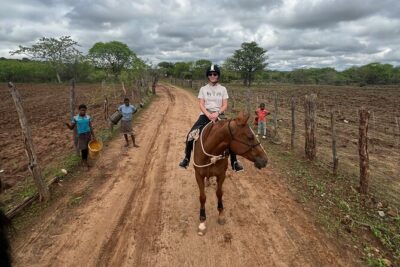 ★ 5.0Horse Riding Community Village Tour ExperienceFrom $13513 reviews
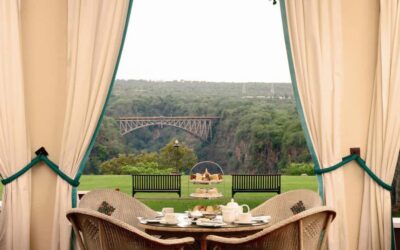 ★ 4.8Cultural Tour with High TeaFrom $15012 reviews
 ★ 4.0Victoria Falls Cultural Private Village TourFrom $609 reviews
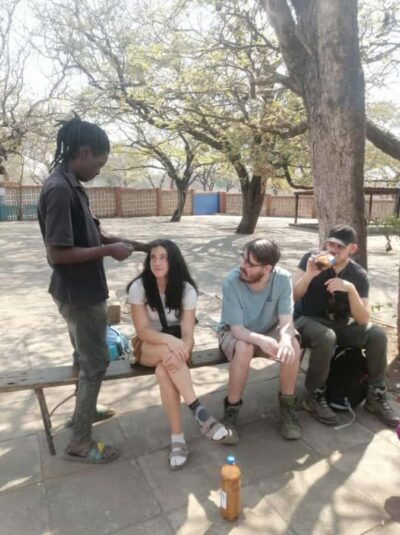 ★ 4.7Chinotimba Township Tour with a Local GuideFrom $509 reviews
 ★ 4.8Livingstone: Amazing Traditional Village & Dance CultureFrom $687 reviews
 ★ 4.5Cultural Village Tour,Interacting With the Communal Villagers (Educational Trip)From $357 reviews
Browse the lists this tour appears in