
REVIEW · CHINOTIMBA & VICTORIA FALLS VILLAGE TOURS
Cultural Village Tour,Interacting With the Communal Villagers (Educational Trip)
Village conversations beat any museum stop. This private educational trip around Victoria Falls pairs a local guide, Molitha, with real talk about how communal life works for men, women, and children, plus a chance to see the school visit when conditions allow. What I like most is how openly she answers questions, including the tough parts, and how the kids come across as confident and friendly.
You also get practical comfort and good pacing. The drive is about 20 minutes in air conditioned mini buses, and you are not shuffled into a crowd, since this is truly private for your group with a professional guide. One thing to consider is that the day can run a bit differently depending on local gatherings and road access, especially for the school stop.
In This Review
- Key things to know before you go
- Victoria Falls to the Village in 3 Hours: A Smart Way to Use Your Time
- Meeting Communal Villagers: Daily Life and Questions You Can Actually Ask
- Village Homes by Gender and Age: What the Layout Teaches
- School Visits, Medicines, and Ceremonies: The Education Layer
- Gifts, Village Meals, Water, and What to Wear
- Price and Value: Is $35 a Good Deal?
- Logistics That Matter: Pickup Timing, Private Transport, and Schedule Flex
- Who Should Book This Tour, and Who Might Not Love It
- Should You Book This Cultural Village Tour From Victoria Falls?
- FAQ
- How long is the Cultural Village Tour near Victoria Falls?
- What’s included in the price?
- Do you provide pickup from Victoria Falls lodges?
- Is this a group tour or private?
- Is there a dress code?
- Can children join, and how does the child rate work?
Key things to know before you go
- Molitha as your guide: expect plain, honest explanations and lots of Q&A.
- School visit if roads allow it: a strong learning moment when accessible.
- Homes organized by gender and age: you will see how village space and roles connect.
- Building materials and family responsibilities: you learn what homes are made from and how duties are assigned.
- Traditional medicines and herbs: you get insight into how people understand health and remedies.
- Ceremonies and chiefdom roles: you hear how leadership and life events work in the village context.
Victoria Falls to the Village in 3 Hours: A Smart Way to Use Your Time
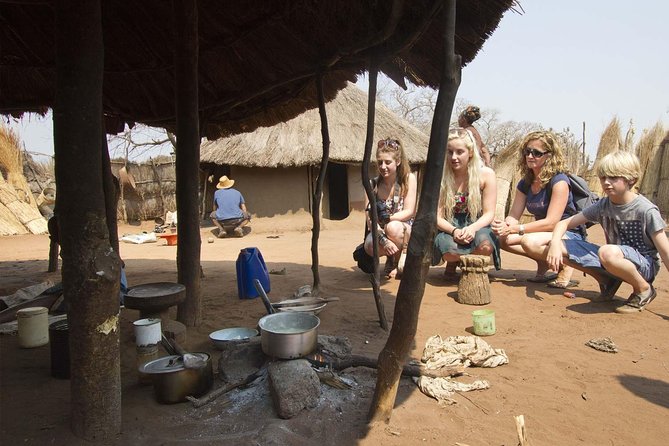
This tour works because it keeps the commitment small and the focus sharp. It lasts about 3 hours, and it is designed for learning, not sightseeing laps. You start from your lodge, usually after breakfast or after lunch, then head out for a short ride to a local village just beyond Victoria Falls.
The drive itself is a big part of the comfort story. You go by air conditioned mini bus, and that matters in hot climates because it keeps the experience feeling easy, even if you are traveling with kids or you just came off a long day of activities. The village visit then gives you a full block of face-to-face interaction, where questions turn into conversations.
Another reason this format feels worthwhile is the private setup. You are not competing for attention with other groups, and your guide can slow down or move on based on what interests you. If you are the type of traveler who asks how things really work, this tour plays to that strength.
The only real caution is to expect some variability. The trip includes a school visit option, but it depends on whether roads are accessible that day. Also, if the village has an important gathering, timing can shift a little. The best mindset is flexible and curious, not tightly scheduled.
Meeting Communal Villagers: Daily Life and Questions You Can Actually Ask
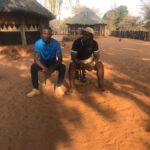
The heart of this experience is how it frames village life. Instead of only showing you a few buildings and calling it a day, the tour focuses on day-to-day life for men, women, and children. That means you hear how daily responsibilities flow across ages and roles, and you get context for why things look the way they do.
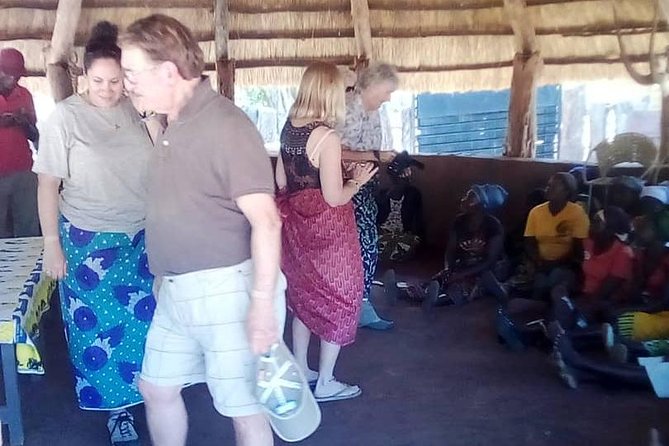
A strong part of this tour is the social component. You do not just watch from the side. You have time to interact with villagers, and your guide helps you understand what you are seeing and hearing so you can ask more meaningful questions. It is educational in a real-world way, because you are learning from people who live the system, not from a script written for tourists.
This is where Molitha’s approach makes a difference. In the guidance style, she is described as friendly and willing to answer questions, including explaining difficulties she can sometimes face. That honesty helps you avoid the common trap of “everything is perfect” storytelling. You get a more human view of life, the routines and the challenges.
If you want a tour that tells you how people organize time, work, family, and community, this is the right kind of experience. If you are hoping for a high-production performance or a purely passive cultural show, you may be disappointed. This tour is about people and learning through conversation.
Other village and township visits we have written up
Village Homes by Gender and Age: What the Layout Teaches
One of the most eye-opening parts is the way the tour explains the setup of houses according to gender and age. That is not just a description of where structures are. It is a window into how the community thinks about privacy, responsibility, and family roles.
You will also learn about the materials used to build homes. Understanding what houses are made from helps you connect daily life to local resources and practical choices. When you hear how people build and maintain their living spaces, it becomes easier to understand why villages may look the way they do, even when they are surrounded by modern landscapes elsewhere.
Your guide also walks you through roles and protocols. The tour includes information on the roles assigned to each member of the family, plus household protocols. That part can feel like the difference between seeing buildings and understanding culture.
I like that this tour does not treat architecture as a standalone “photo opportunity.” It links housing to life patterns. For you, that means the visit is more than a quick look, it is an organized explanation you can carry back to your hotel and keep thinking about.
Tip for your first questions: ask what a typical day looks like for different age groups. You will likely get answers that naturally tie back to the housing layout and responsibilities you are hearing about.
School Visits, Medicines, and Ceremonies: The Education Layer
Some tours stop at the village gate. This one tries to cover the education layer, when conditions allow. A school visit is included as an option, and it depends on road accessibility. When it happens, it becomes a powerful moment because you meet children in a learning environment, not only as part of a living space.
Your guide can also share information about medicines and herbs that people traditionally believe in. That topic can feel unfamiliar at first, but the tour frames it as part of how the community understands health and remedies. You do not have to pretend you know everything. Just approach it as a cultural explanation and ask respectful questions.
Then there are ceremonies and life events. You learn about chiefdom responsibility in the village and how marriage and ceremonies work. These are not random facts. They are part of how the community structures identity, leadership, and transition moments in a person’s life.
This matters if you want understanding, not just impressions. When you connect ceremonies to social roles, you start to see the logic behind village organization. It also makes your conversation with villagers more grounded. Instead of asking only what something looks like, you can ask why it matters.
Possible emotional note: learning about customs around marriage and ceremonies can be sensitive subject matter if you come with assumptions about how things should be. Keep an open mind, and let the guide explain in context.
Gifts, Village Meals, Water, and What to Wear
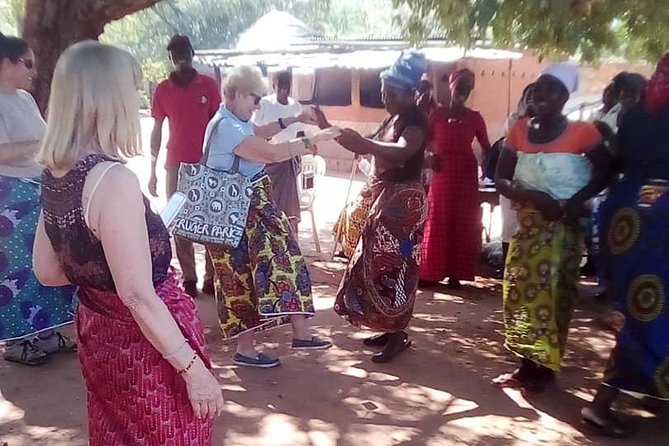
The tour makes it easy to come prepared without overthinking it. Mineral water is included, and bottled water is listed as included too. That is a small detail, but it helps when you are out for a short block of time in heat.
Gifts are also part of the experience. You are free to collect gifts for village people. The phrase free to collect gifts is important, because it signals that bringing something is not only allowed, it is encouraged as a way to connect. That said, you should still keep gifts simple and appropriate. If you are unsure, ask your guide what tends to be most useful.
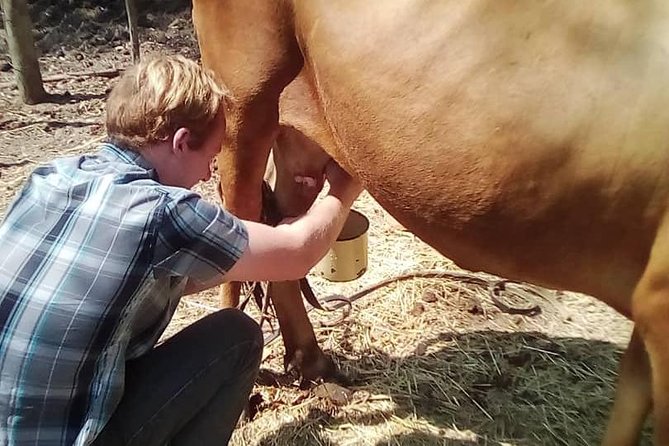
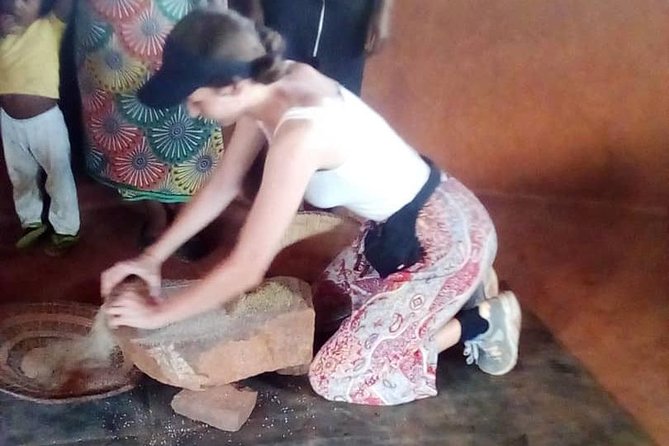
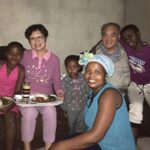
Food is optional. There is an option to try village meals and activities. Lunch is not included, so if you skip the optional meals, you will want to plan for your regular meals back at the lodge. If you do choose to try village food, treat it like a learning moment, go slowly, and follow your guide’s cues.
No dress code is listed. Still, I recommend wearing practical clothing that respects the setting and is comfortable enough for walking and sitting. Light layers are smart if the weather shifts.
What I appreciate here is that the tour does not demand that you act like a performer. You are given a structure for learning and interaction, plus basic support like water and a guide.
Price and Value: Is $35 a Good Deal?
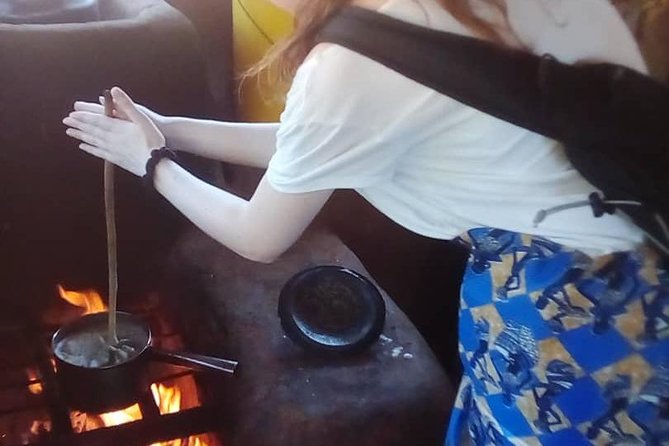
At $35 per person for about 3 hours, you are paying for three things: the transport out of Victoria Falls, the private guide, and the guided educational content. In most cases, that is exactly what you want to buy, because village tours can become expensive when transport and interpretation are handled separately.
Because it is private, your group benefits from a more tailored pace. That can matter a lot for learning. If your questions lead the conversation toward houses, medicines, ceremonies, or school, your guide can adapt.
You also get specific inclusions that add value in real life. Water is included, and you receive professional guidance with assistance from local village people who help furnish details. The tour also uses air conditioned mini buses for the drive, which is not nothing when temperatures rise.
Where you should watch value is not the price, it is your expectations. If you expect a polished itinerary packed with stops and timings down to the minute, a village-based visit can surprise you. Access to the school depends on roads, and local gatherings can affect timing. When you embrace that flexibility, the $35 feels like a fair exchange for a personal, human learning experience.
Bottom line: if you want more than a photo, this is strong value. If you want predictable timing above all else, consider whether you can handle a few adjustments.



Logistics That Matter: Pickup Timing, Private Transport, and Schedule Flex
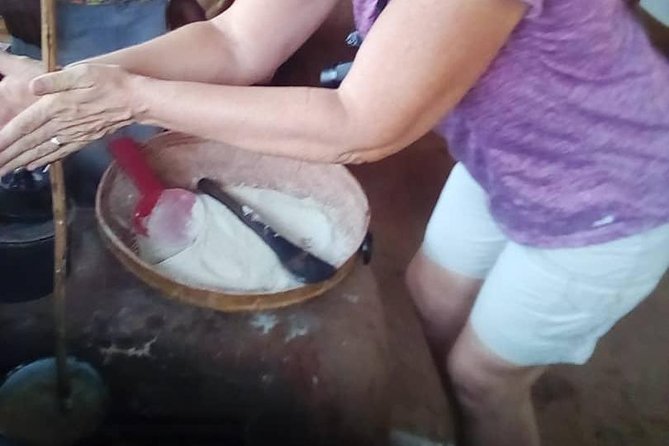
Your day starts with pickup from your lodge. Pickup time is flexible, usually after breakfast or after lunch. That flexibility helps if you are planning other Victoria Falls activities or want time to settle before heading out.
You travel about 20 minutes to the village in air conditioned mini buses. That short hop matters because it keeps the tour feeling like a concentrated experience, not a half day spent in transit.
You get a mobile ticket and confirmation at booking. That is helpful if you like simple, paper-light travel days.
One more practical detail: child pricing is structured. The child rate applies only when sharing with two paying adults, and children must be accompanied by an adult. If you are traveling as a family, this is worth checking before you finalize your booking so the group setup makes sense.
Finally, keep your schedule loose. This is one of those tours where the village calendar can meet your itinerary. If roads are not accessible, the school stop may not happen. If an important gathering takes place, the flow of the visit can shift. Not ideal, but also normal in community settings. Build the day with a little breathing room.
Who Should Book This Tour, and Who Might Not Love It
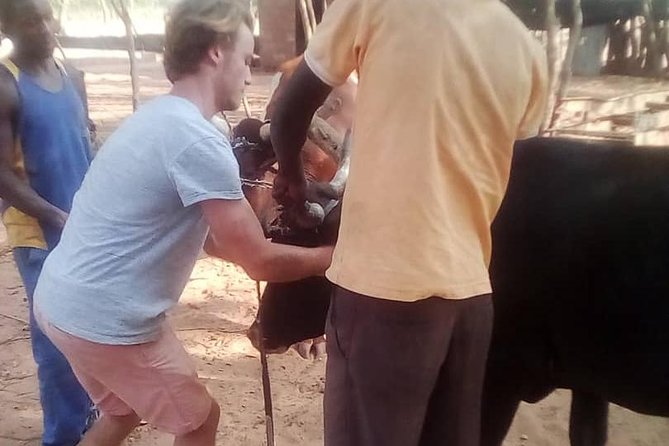
I think this tour is best for travelers who want context and conversation. If you like learning how daily life works, especially the way roles connect to housing and community responsibilities, you will likely enjoy it.
It can also suit families, because it is short and educational. The interaction with children at school, when accessible, can be meaningful, especially since the kids described in the learning moment are polite and enthusiastic.
Consider it less if you want a standard checklist of attractions with highly predictable timing. This is a cultural and educational interaction, and it responds to real conditions on the ground.
If you are sensitive to cultural differences, go in gently. The tour includes protocols and role explanations, which is helpful. But you still may need to adjust your expectations about what you are allowed to do, what questions are welcome, and how long people spend on certain topics. Stay respectful, follow your guide, and you will get more out of it.
Should You Book This Cultural Village Tour From Victoria Falls?
Yes, you should book it if your goal is a real learning encounter. The big draw here is the guided explanation that connects daily life, homes, roles, medicines, school, and ceremonies into one coherent picture. The private format, with a guide like Molitha known for friendliness and clear answers, makes it easier to ask questions and get beyond surface impressions.
I would pass or delay if your trip is tight on time or if you cannot handle the possibility that the school stop could be skipped due to road access. Also, if you are only interested in quick photo moments, you might not feel it is worth your attention.
If you book, pack curiosity, wear comfortable clothes, bring a simple gift if you plan to, and be ready for a day that feels personal rather than scripted.
FAQ
How long is the Cultural Village Tour near Victoria Falls?
The tour lasts about 3 hours.
What’s included in the price?
It includes bottled water, a professional guide, and the guided educational visit. Lunch is not included.
Do you provide pickup from Victoria Falls lodges?
Yes. Pickup is offered from your lodge of accommodation, typically after breakfast or after lunch.
Is this a group tour or private?
This is a private tour. Only your group participates.
Is there a dress code?
No dress code is stated.
Can children join, and how does the child rate work?
Child rate applies only when sharing with 2 paying adults. Children must be accompanied by an adult.
More Tours Across Zimbabwe


More Tour Reviews in Victoria Falls



Chinotimba and the Villages Nearby
Other Zimbabwe Tours in Our Notebook
- Zambezi Sunset Cruise In Victoria Falls
★ 4.5 · 3 reviews - Victoria Falls: Whitewater Rafting + Chobe Safari Combo
★ 5.0 · 3 reviews - Guided Tour Of The Majestic Victoria Falls/Sunrise Tour
★ 5.0 · 3 reviews - Victoria Falls and Harare Airport Transfers and Car Rentals
★ 4.0 · 3 reviews - The Eatery Potjie Dinner Experience in Victoria Falls
★ 4.5 · 3 reviews - Shearwater Bungee Jump Victoria Falls Bridge
★ 5.0 · 3 reviews
Chinotimba & Victoria Falls Village Tours, compared.
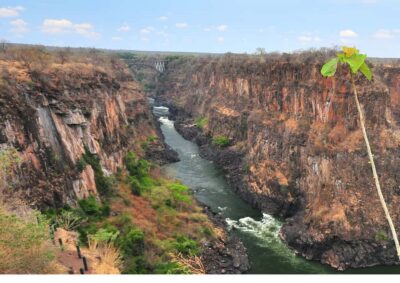 ★ 5.0Victoria Falls Gorge Hike & Farm to Table Village LunchFrom $12015 reviews
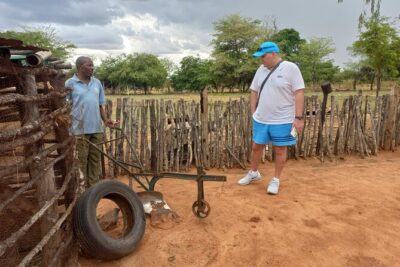 ★ 4.5Victoria Falls Rural Tour: Village Life ExperienceFrom $5015 reviews
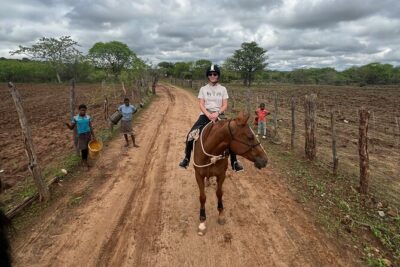 ★ 5.0Horse Riding Community Village Tour ExperienceFrom $13513 reviews
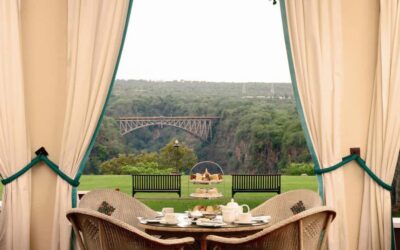 ★ 4.8Cultural Tour with High TeaFrom $15012 reviews
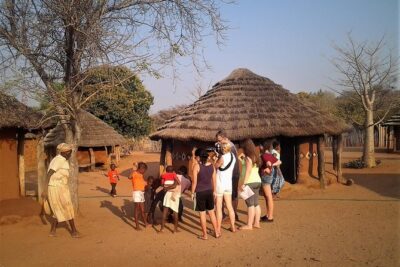 ★ 4.0Victoria Falls Cultural Private Village TourFrom $609 reviews
 ★ 4.7Chinotimba Township Tour with a Local GuideFrom $509 reviews
 ★ 4.8Livingstone: Amazing Traditional Village & Dance CultureFrom $687 reviews
 ★ 4.5Chinotimba Township Tour (Zimbabwe)From $346 reviews
Browse the lists this tour appears in