

REVIEW · CHINOTIMBA & VICTORIA FALLS VILLAGE TOURS
Livingstone: Amazing Traditional Village Tour
A village tour that teaches, not just entertains. In Muke village near Livingstone, the best part is how quickly the day turns into real conversations with friendly people. I like that the tour is led by Alex Jakanani, a local founder, so you get context instead of a script.
You’ll also get hands-on culture, from learning a few Lozi words to walking through traditional buildings while your guide explains how they’re built. Another thing I enjoy is the stop at Tusoleke Trust School, where you can watch children sing and dance during the visit.
One thing to plan for: no water is included, so you must bring enough for the full 3.5 hours, plus sunscreen and rain gear just in case.
In This Review
- Key moments that make this tour feel worth it
- Muke village, a short ride from Livingstone on the Zambezi
- Meeting Alex Jakanani, and why his role changes the tone
- Village walk and traditional buildings, what you’ll notice on the ground
- Kids, Lozi words, and the kind of connection you can actually make
- Tusoleke Trust School, what the visit shows beyond the classroom
- Learning how local alcohol is made, culture explained with context
- Coffee and tea, a small break that helps the story land
- Price and what your $50 actually buys you
- Practical tips: water, sun, insects, and rain gear
- Who should book this Lozi village tour, and who might prefer something else
- Should you book Livingstone: Amazing Traditional Village Tour?
- FAQ
- How long is the traditional village tour from Livingstone?
- Where is the village visit located?
- Is pickup from Livingstone included?
- What language is the tour guide?
- What is included in the price?
- Is water included?
- Does the tour include time with children?
- What stops are part of the tour?
- Is the group private?
Key moments that make this tour feel worth it
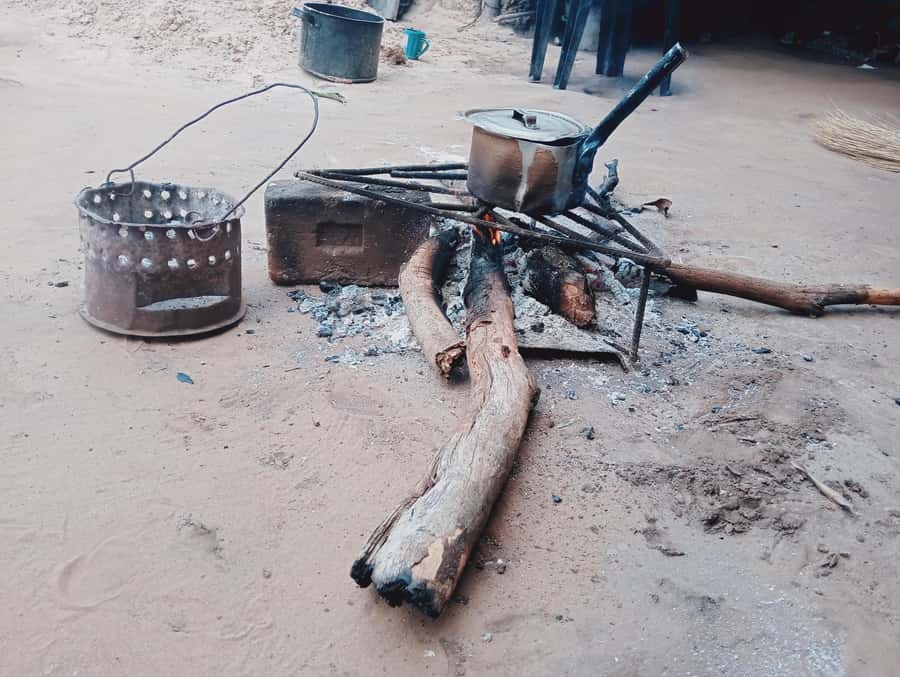
- Muke village is only 20 minutes from Livingstone, which keeps the day easy on your schedule
- Alex Jakanani leads the tour, tied to the community through his work with Tusoleke Trust School
- Village walk plus traditional buildings, with explanations of how homes are constructed
- Kid time plus Lozi words, so you’re not just watching from a distance
- Tusoleke Trust School visit, including a chance to see children sing and dance
- Learning how local alcohol is made, as part of how daily life works in the village
Muke village, a short ride from Livingstone on the Zambezi

This is a classic half-day village experience that starts close to town. You’re in the Livingstone area in Zimbabwe, and the village you visit, Muke village, is about 20 minutes from Livingstone. That short transfer matters. It means you spend more time with people and less time in transit.
The tour runs about 3.5 hours, so it fits neatly between other Livingstone plans, like nature time or a longer day trip on the river side. Since the schedule is compact, it also helps you stay present. There is less rushing, and you can actually take in what you’re seeing instead of counting minutes.
One more practical point: you should treat this as a walk-and-talk experience. You’ll be moving around the village, and you’ll want to feel comfortable in the sun. If you’re the type who needs frequent breaks, pack patience and plan for a few slower moments with the community.
Meeting Alex Jakanani, and why his role changes the tone
Your guide is Alex Jakanani, the vice-chair of the Simonga World Development Committee and the founder of Tusoleke Trust School. That detail changes the feel of the tour. Instead of a generic cultural presentation, you get explanations tied to daily life and real community work.
Alex’s connection to the school shows up during the visit to Tusoleke Trust School. He can connect what you see at the school to the broader story of Muke village, including the village history and the reasons the school exists. You’ll also learn how the village’s development efforts relate to what tourists do during the tour.
This matters for you because it makes your questions easier. You’re not stuck wondering who benefits from the visit. You can ask about the village, daily routines, or how the school fits into the community. And because the tour is in English, you can actually follow the details without strain.
Still weighing up your days in Victoria Falls? These reviews cover the other options.
Village walk and traditional buildings, what you’ll notice on the ground
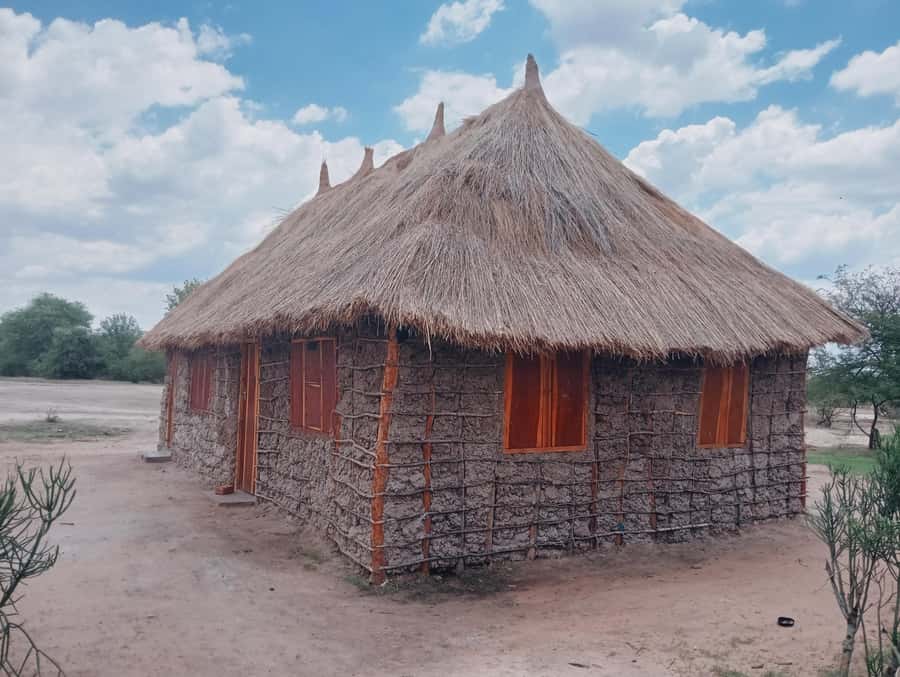
The tour includes a village walk and time to learn about traditional buildings and how they’re built. You’re not just shown photos or explained things from far away. You’ll be physically inside the village space, with your guide pointing out what people use, how structures function, and what daily life looks like.
The best part of a walk like this is how quickly you start reading the environment. You notice practical things, like how the village layout supports everyday movement and how communal spaces shape social life. It’s also easier to understand the village’s rhythms because you’re watching and listening at the same time.
The tour also includes a local alcohol lesson, and that pairs well with the building talk. In many places, architecture, food, drink, and community events are linked. Here, your guide ties those threads together so the day feels like one story, not separate stops.
One consideration: village tours can be emotionally intense in a good way, but they’re still intimate. Keep things respectful and calm. If you’re with a camera, be mindful and ask yourself whether a photo helps the moment or interrupts it.
Kids, Lozi words, and the kind of connection you can actually make
If you’re coming for authentic human moments, this tour delivers. You’ll meet friendly locals and spend time playing with cute children during the village visit. Those kid interactions are often the highlight of the day, because they turn a cultural tour into a shared laugh and quick games.
You’ll also learn Lozi words during the experience. Even if it’s a small lesson, it changes how locals respond. People often appreciate when you try the language. It’s also a fun way to slow down and pay attention, because you’re not just watching, you’re participating.
In a school visit, you can also get a feel for energy. During the school stop, you can watch kids sing and dance. That kind of moment helps you understand that education here is not only about classrooms. It’s about community pride, performance, and confidence.
Tiny practical advice: if you bring little gifts, be careful. The tour data doesn’t say what’s allowed or encouraged. When in doubt, let the school and guide set the tone so you don’t accidentally create awkwardness.
Tusoleke Trust School, what the visit shows beyond the classroom
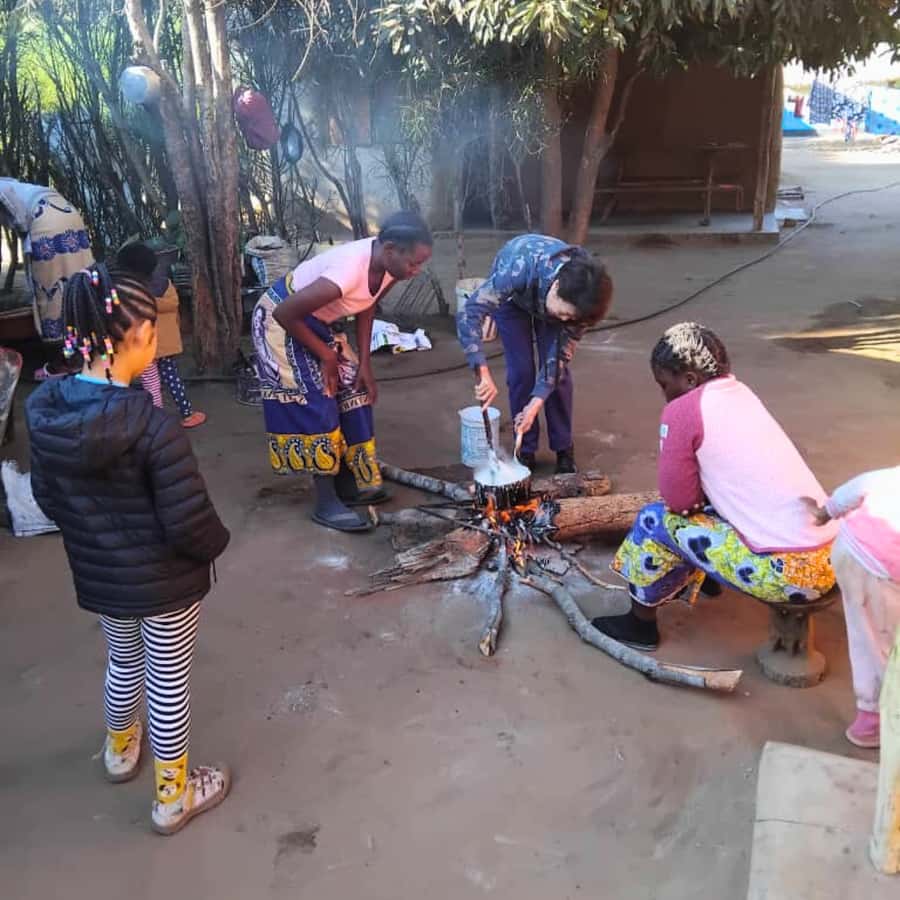
The Tusoleke Trust School visit is built into the tour, and it’s one of the most meaningful parts of the whole experience. You’ll go to the school, learn about the school’s purpose, and connect it to Muke village history. Since the guide is also the founder, you get the story directly, not through secondhand summaries.
This is where the “why” becomes clear. The tour isn’t only a cultural look. It’s tied to local support. All profits from the village tours go directly to helping the Tusoleke Trust School. That means your $50 is doing something real beyond your own photos.
If you care about education and community-driven change, this is the section you’ll remember later. Watching children sing and dance during the visit adds a human layer. It proves the school is alive with daily learning and expression, not just a facility.
One balanced note: this kind of visit also brings responsibility. Keep your reactions steady. Don’t treat the children as entertainment props. Focus on the moment with respect, and let the school routine set the pace.
Learning how local alcohol is made, culture explained with context
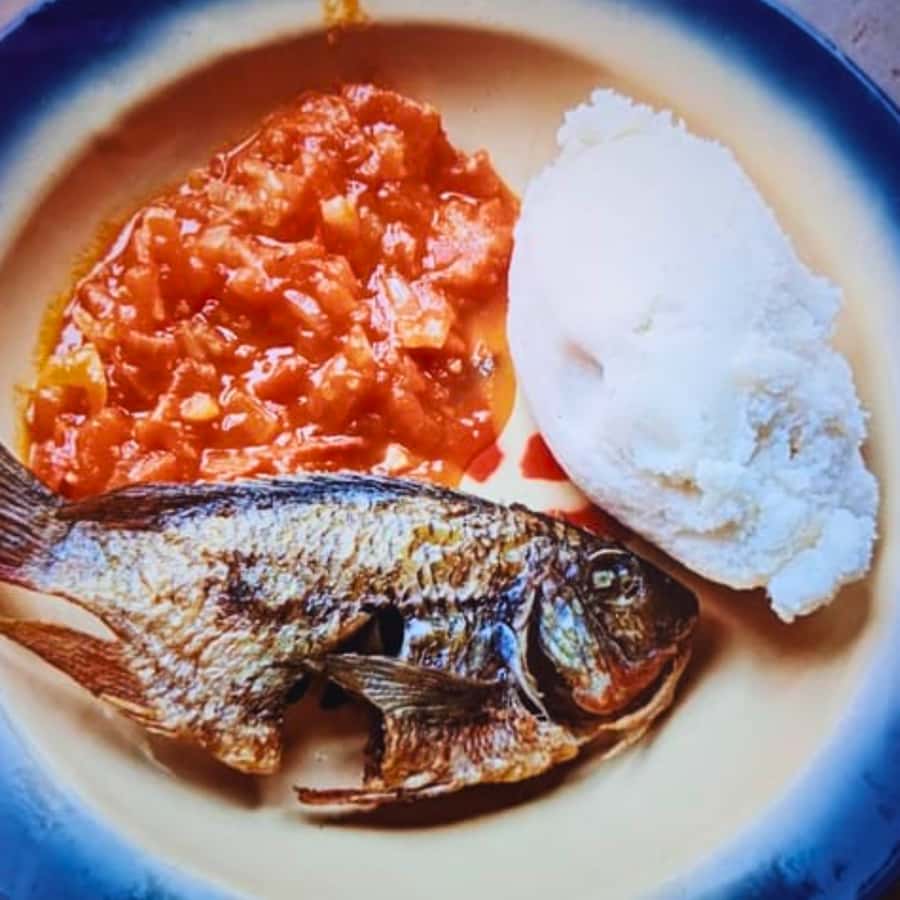
The tour includes time to learn how the local alcohol is made. That can sound like a single activity on paper, but in practice it works best when your guide explains what it means in village life. You’re learning not only the steps, but the place of the beverage in community tradition.
Why it’s valuable for you: alcohol production is tied to agriculture, social gathering, and local customs. When a guide frames it this way, you start to see how cultural practices are organized. It stops being random. It becomes part of a bigger system.
You’ll also learn about village life in general, including how local practices connect to home building and community routines. When alcohol and buildings are taught in the same tour, the day starts to feel like an on-the-ground overview of how people live, make, and share.
If you have personal reasons to avoid alcohol topics, you can still view the learning as cultural education. Just keep in mind that this is part of the planned experience, so it’s not a skip-on-request activity.
Coffee and tea, a small break that helps the story land

This tour includes coffee and tea, and it’s not just a perk. It’s a reset point. After a village walk and a couple of learning stops, a warm drink gives you a moment to sit, listen, and ask questions while everyone’s relaxed.
Food and drink stops also change the tone from “tour mode” to “guest mode.” You’re still moving through an organized experience, but the conversation tends to get more personal. If you came to connect rather than only observe, this is the moment to do it.
Also, hydration matters here because you’re outdoors. Coffee and tea can be comforting, but you still need water. Since no water is included, treat the coffee and tea as an extra, not a replacement.
Price and what your $50 actually buys you
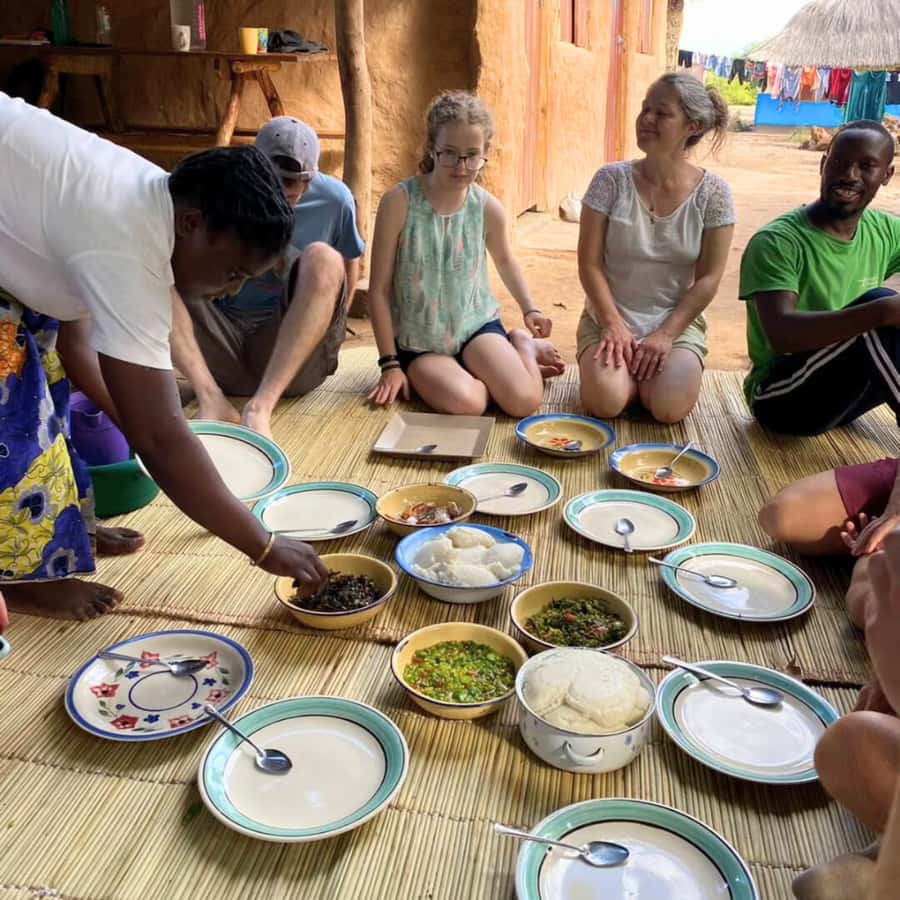
The price is $50 per person for about 3.5 hours. That can look simple, but the value comes from what’s bundled.
You get:
- transportation to and from Livingstone
- a local tour guide
- the village walk
- Lozi words
- learning about traditional buildings
- learning how local alcohol is made
- the Tusoleke Trust School visit
- coffee and tea
For many tours in this area, you pay for transportation plus time plus guidance. Here, the guidance connects directly to the school and village story. That makes the cost feel more purposeful.
One more value factor: the tour is described as a private group. That usually means you can move at the group’s pace and ask questions without feeling rushed or pushed into a crowd dynamic.
Big takeaway for your decision: if you want a short, structured way to understand village life and also support education, this $50 is not just a “culture show.” It’s partly a community-support mechanism.
Practical tips: water, sun, insects, and rain gear
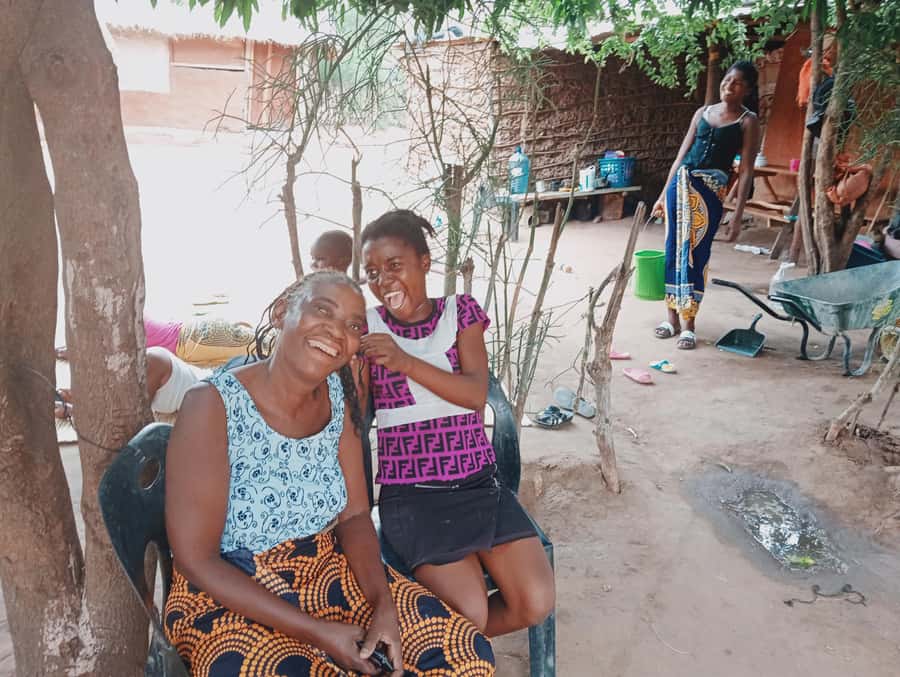
This tour tells you clearly what to bring, so follow it. Since no water is included, bring enough water for the whole trip. Don’t assume you’ll be offered extra bottled water because the plan doesn’t say it’s included.
Also pack:
- sunscreen
- rain gear
- biodegradable insect repellent
A quick reality check: village areas can mean bright sun and bugs, even when you’re not expecting them. Sunscreen and insect repellent help you stay comfortable enough to enjoy the whole 3.5 hours.
One more tip: wear something you can move in. Since the tour includes a village walk, avoid shoes that make every step a chore. Comfort helps you connect. You’ll notice more and feel less distracted.
Pickup is included. You should wait in your hostel or hotel lobby about 10 minutes before your scheduled pickup time. That small habit helps the day start smoothly.
Who should book this Lozi village tour, and who might prefer something else
This is a great fit if you want:
- a cultural experience with a real community link
- a guide who can explain village history and daily life
- a school visit connected to meaningful support
- interaction with children and a few lessons in local language
It’s also a smart choice if you have limited time in Livingstone. The 3.5-hour window and the short ride to Muke village keep the experience manageable.
Consider skipping or adjusting expectations if you prefer tours with zero face-to-face interaction with children. This tour includes playing with kids. It also includes an alcohol-making lesson, so if that topic makes you uncomfortable, factor that in.
Should you book Livingstone: Amazing Traditional Village Tour?
If you want a short village visit that ties culture to education, I think this one is a strong choice. The combination of Muke village learning, the Tusoleke Trust School stop, and the guide’s connection through Alex Jakanani makes it feel grounded and personal. Plus, profits support the school, so your ticket does more than fill time.
Book it if you’re ready to walk, listen, and interact respectfully, and if you can handle a day under the sun with no included water. You’ll get a fuller sense of village life than you’d get from a quick drive-by.
FAQ
How long is the traditional village tour from Livingstone?
The tour lasts 3.5 hours. You can check availability to see the starting times.
Where is the village visit located?
You visit Muke village, a traditional Lozi village, about 20 minutes from Livingstone in Zimbabwe.
Is pickup from Livingstone included?
Yes. Transportation to and from Livingstone is included, and you should wait in your hostel or hotel lobby 10 minutes before pickup.
What language is the tour guide?
The live tour guide speaks English.
What is included in the price?
Transportation to and from Livingstone, a local tour guide, the village walk, learning about local alcohol, learning Lozi words, the Tusoleke Trust School visit, and coffee and tea.
Is water included?
No. Water is not included, so you should bring enough for the entire trip.
Does the tour include time with children?
Yes. You will play with children and connect with friendly locals during the village visit.
What stops are part of the tour?
You will visit the village, learn about traditional buildings and how they’re built, see the school (Tusoleke Trust School), and learn how local alcohol is made.
Is the group private?
Yes. This experience is listed as a private group. Cancellation is offered up to 24 hours in advance for a full refund.
More Tour Reviews in Zambezi River

Other Zimbabwe Tours in Our Notebook
- From Livingstone: Victoria Falls River Safari
★ 5.0 · 23 reviews
Chinotimba & Victoria Falls Village Tours, compared.
 ★ 4.5Victoria Falls Rural Tour: Village Life ExperienceFrom $5015 reviews
 ★ 5.0Victoria Falls Gorge Hike & Farm to Table Village LunchFrom $12015 reviews
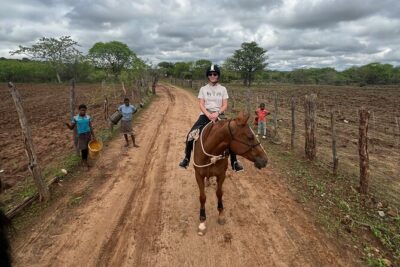 ★ 5.0Horse Riding Community Village Tour ExperienceFrom $13513 reviews
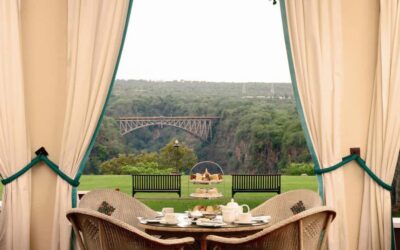 ★ 4.8Cultural Tour with High TeaFrom $15012 reviews
 ★ 4.0Victoria Falls Cultural Private Village TourFrom $609 reviews
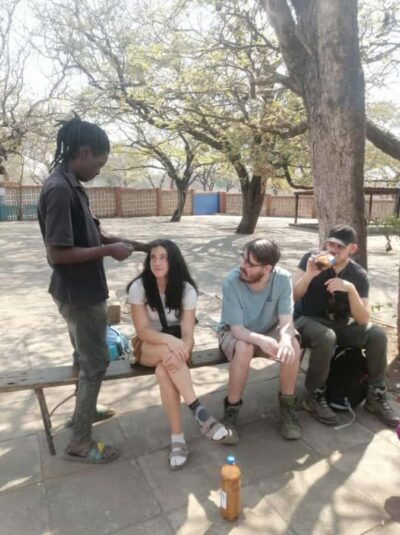 ★ 4.7Chinotimba Township Tour with a Local GuideFrom $509 reviews
 ★ 4.8Livingstone: Amazing Traditional Village & Dance CultureFrom $687 reviews
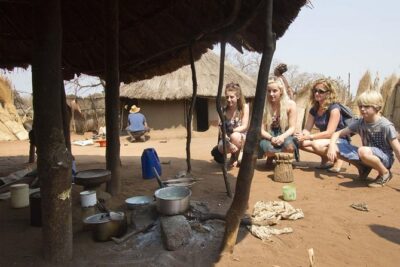 ★ 4.5Cultural Village Tour,Interacting With the Communal Villagers (Educational Trip)From $357 reviews
Browse the lists this tour appears in