
REVIEW · VICTORIA FALLS SAFARI GAME DRIVES
Game drive in Victoria Falls
The safari starts before the sun. A 3-hour game drive in Zambezi National Park from Victoria Falls is a great way to trade long explanations for real wildlife time. I love the unobstructed viewing from an open-air or 4×4 vehicle, and I love how often you get a chance to see big animals like elephants and lions up close. One possible drawback: if you’re doing it early, you can get seriously cold, especially in winter when the vehicle is fully open.
You’ll ride with a live English guide, and the group is limited to just 8 people, so you’re not stuck behind a crowd. I also like that you’re not just scanning for animals, you’re learning how the local flora and fauna fit together. Just keep your expectations realistic, wildlife sightings can be excellent or slow depending on the day.
In This Review
- Key things that make this game drive worth your time
- Zambezi National Park near Victoria Falls: what this 3-hour ride is really about
- Your vehicle and small-group setup: open-air views without the crowding
- Wildlife odds: elephants, lions, and the rest of the Zambezi cast
- Timing and temperature: why early starts can make or break comfort
- The guide experience: learning the ecosystem while you spot animals
- What you really get for the $100 price, plus the park fees
- What to bring: simple gear that makes the ride easier
- Who should book this game drive, and who should reconsider
- Should you book this Victoria Falls game drive?
- FAQ
- How long is the game drive?
- Where does this game drive take place?
- How much does it cost, and what about park fees?
- What vehicle will you ride in?
- What group size should I expect?
- What language is the live guide, and what should I bring?
Key things that make this game drive worth your time
- Small group (up to 8) means you can actually see what your guide is pointing at.
- Open-air or 4×4 viewing gives cleaner sightlines than a closed bus.
- Focus on flora and fauna helps you understand what you’re seeing beyond the animals.
- Big mammal chances include elephants, buffalo, lions, and antelope in the right areas.
- Hippo and crocodile country is part of the ecosystem, so your guide may talk about where and when to look.
- Specialized vehicle for terrain helps get you into the areas where animals tend to hang out.
Zambezi National Park near Victoria Falls: what this 3-hour ride is really about
This game drive is designed for one main goal: getting you into the Zambezi ecosystem around Victoria Falls quickly, with enough time to enjoy the drive and still return for the rest of your day. It’s short on paper at 3 hours, but it’s long enough to cover real ground and make meaningful wildlife stops, especially with a guide who knows how to read animal movement and habitat.
You’re in Matabeleland North, Zimbabwe, and you’ll be operating in Zambezi National Park, a UNESCO World Heritage area tied to the larger Victoria Falls region. That matters because it tells you what kind of environment you’re entering. This is not a zoo-style layout where animals sit on schedule. It’s river-adjacent bush, where animals shift based on water, temperature, and cover.
So what should you expect from the experience itself? You’ll be driving in a specialized safari vehicle and spending time stopped to look, listen, and compare what you see against what your guide explains. That’s where the value shows. When you understand why you’re pausing, you don’t feel like you’re just waiting for luck.
The short duration also helps you plan. If you’re pairing this with Victoria Falls activities, you still have room for sunrise photography, breakfast plans, or an afternoon adventure. Just remember, with wildlife, timing can control the day more than itinerary does.
Your vehicle and small-group setup: open-air views without the crowding
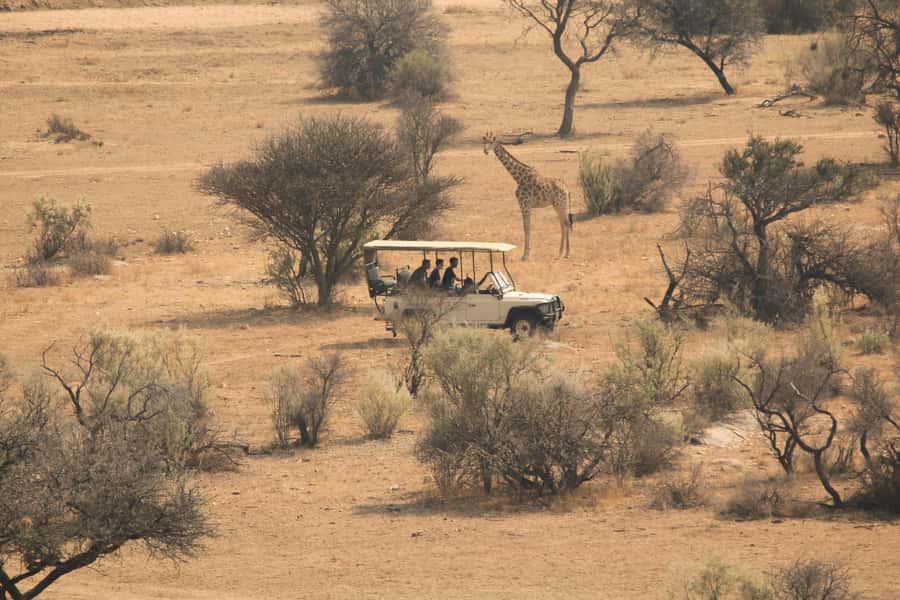
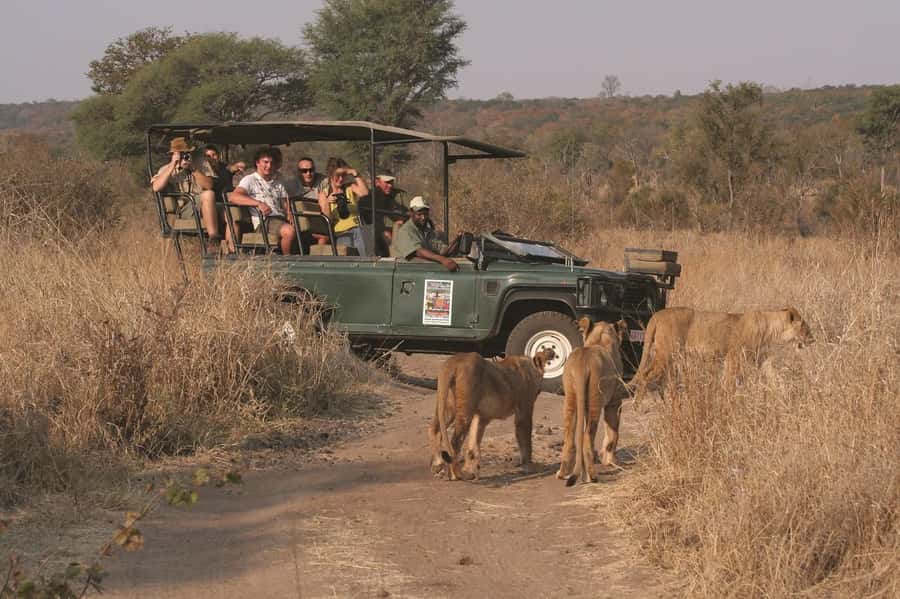
One of the biggest practical wins here is how you travel. You’ll go in an open-air safari vehicle or a 4×4, depending on the specific setup. Either way, the vehicle is meant for the kind of terrain wildlife areas throw at you. That matters in a place where access can mean the difference between seeing an animal across a gap and seeing it far too late.
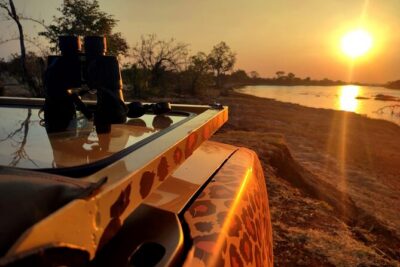
The open-air option, in particular, is all about line of sight. You don’t get the same glare or window reflections you do in closed vehicles. You also tend to get better “instant framing” for photos and spotting with binoculars. For a 3-hour outing, that kind of viewing efficiency matters.
Then there’s the group size. Limited to 8 participants, you get a more flexible flow during stops. If the guide spots something, there’s less chaos about who stands where. You can keep your camera ready, you can take in the scenery around you, and you’re not constantly bumping elbows with strangers.
One thing to keep in mind: being open-air also means being weather-aware. In one winter experience, an early pickup at 6 in the morning led to a lot of cold on an open 4×4, and even with blankets it wasn’t comfortable for everyone. Bring layers and expect that “morning chill” can feel like a full-on climate event once the sun hasn’t kicked in yet.
Other game drives running out of Victoria Falls
Wildlife odds: elephants, lions, and the rest of the Zambezi cast
The headline wildlife you’re hoping for includes elephants and lions, and you may also see buffalo, antelope, and a range of birds. If you’re paying attention to what your guide points out, you can often get more value from small sightings too, because that’s how you piece together what the habitat is doing.
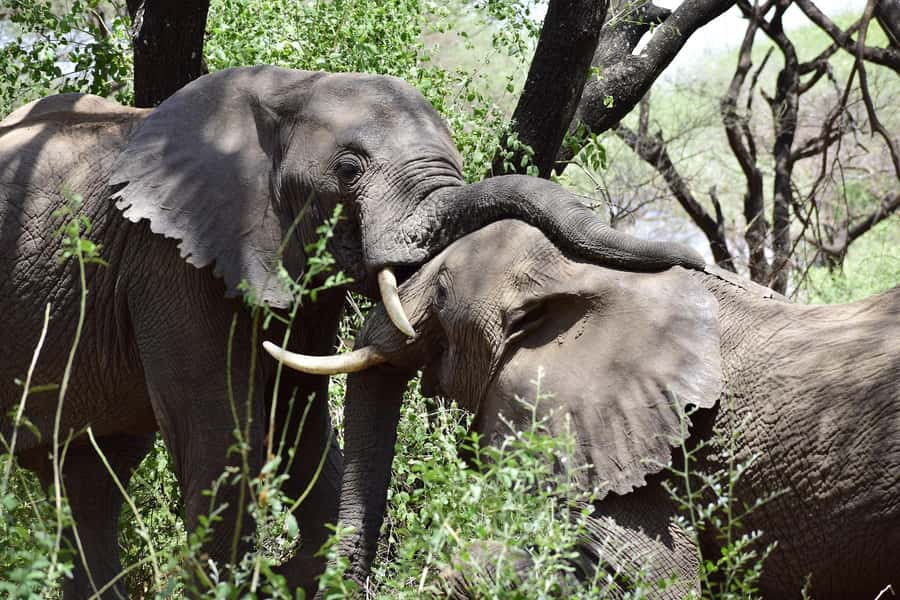
Elephants are usually a good bet in this type of environment, and they’re also one of those animals that changes the whole mood of a drive when you find them. You go from “maybe we’ll see something” to “this is happening.” The same is true for lions. When big cats appear, you tend to get a sequence of behaviors instead of a quick glimpse, which is exactly what you want on a shorter outing.
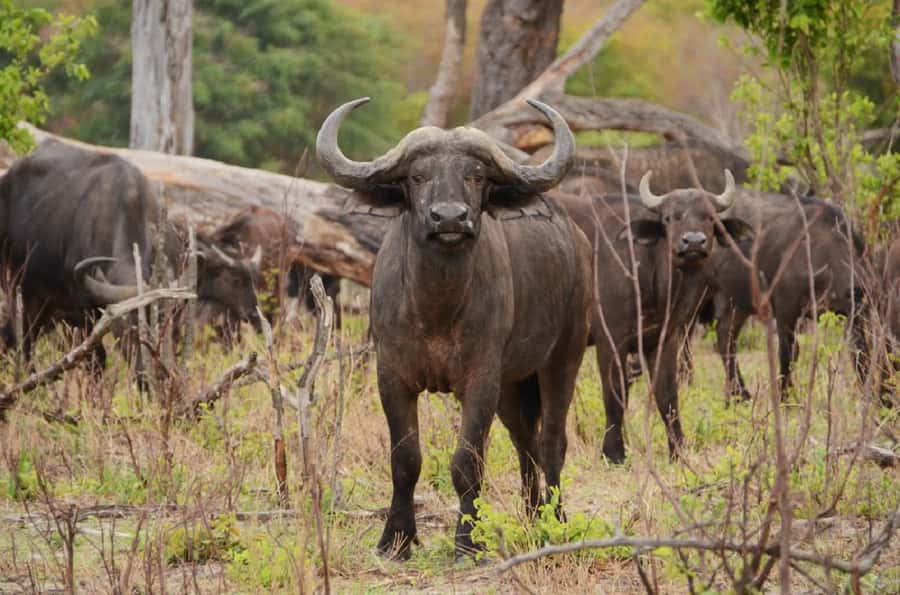
Then there are the “support cast” animals. Buffalo can show up in ways that feel surprising because they may be resting or moving in cover. Antelope species can be quick, but binoculars and patience help. Birds can be easier to find than mammals, and your guide’s bird talk can make the sightings feel less random, more like a living system.
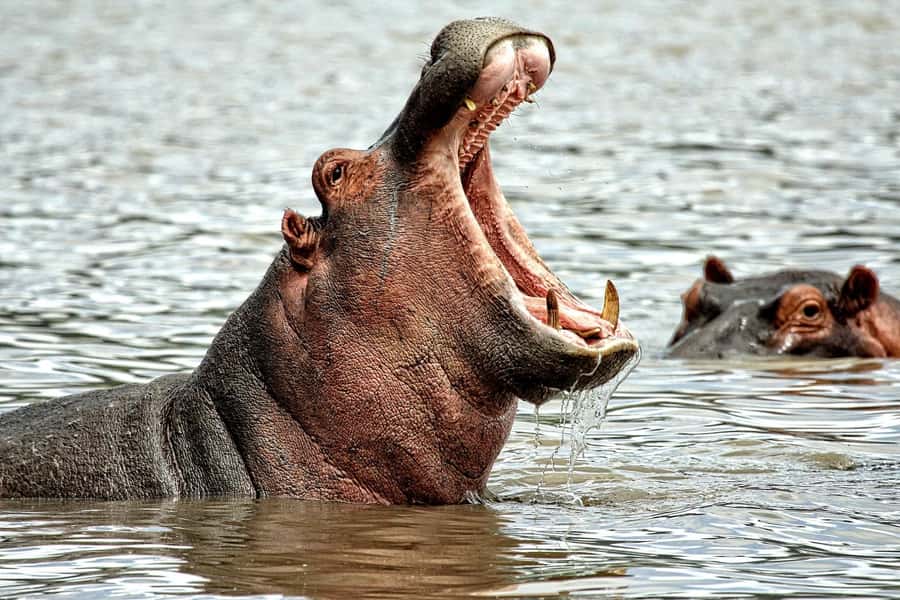
You might also hear about hippos and crocodiles in the context of where to look. Even if you don’t see them directly, the guide’s explanations can help you understand why water edges and muddy margins matter so much for predators and prey alike. One day might give you more mammals, another day might lean bird-heavy.
So how do you judge whether the day is “good”? Focus less on counting species and more on whether you get time with animals. When the guide finds active areas, you usually get longer looks and better behavior, not just a fleeting silhouette.
Timing and temperature: why early starts can make or break comfort
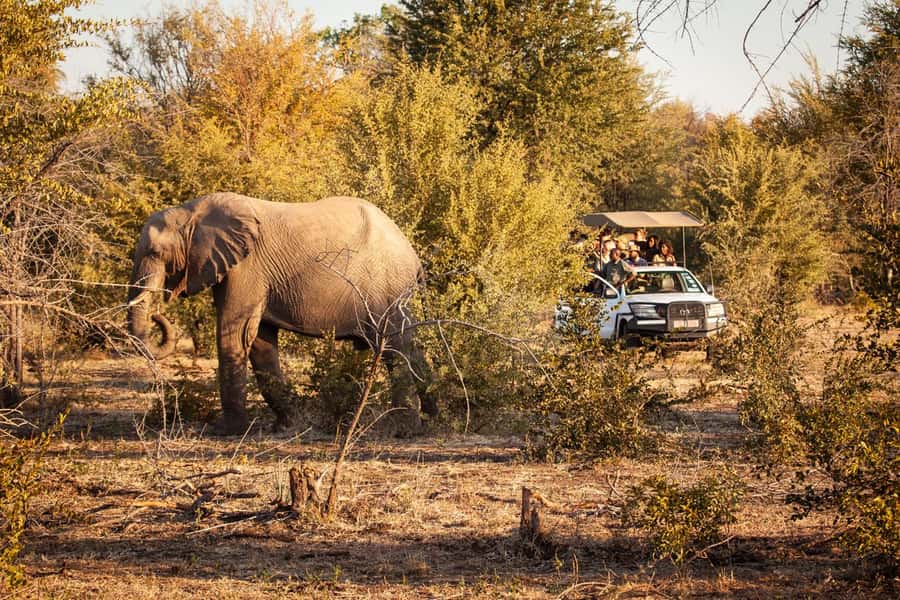
This drive can start early. In one winter experience, pickup was at 6 a.m. and the vehicle was open. That’s when you want your clothing strategy to be on point, because the cold can hit fast before the sun warms things up. Even if the guide provides extra warmth, you do not want to rely on that as your main plan.
Here’s the key thing I’d tell you to remember: early hours can improve animal activity, but it doesn’t guarantee immediate sightings. One person noted animals started to become more visible as the sun began warming. That experience makes sense because many animals move differently with temperature and light, and visibility can improve as the day lightens.
So what should you do with this information? If you’re the kind of traveler who gets uncomfortable quickly, treat warmth as part of your safari gear. Wear a warm base layer, add a fleece, and bring a hat you can pull down fast. Sunglasses help too once the light strengthens, even if it’s cold at first.
If you’re flexible and enjoy that pre-sun feeling, you’ll probably love the atmosphere. There’s something special about seeing the bush wake up. But if your priority is comfort and you hate cold, consider that the schedule might be the hardest part of the experience, not the animals.
The guide experience: learning the ecosystem while you spot animals
The best game drives are guided walks without the walking. Your guide helps you notice what most people miss, and they connect it to the broader habitat. That includes information on local flora and fauna, not just the animals you’re hoping to photograph.
You’ll ride with a live English guide, and the guidance style matters. In one experience, Aaron was praised for strong knowledge and a good sense of humor, and the group benefited from that mix. Humor keeps the tension low, and humor helps you stay alert while scanning for movement. Knowledge helps you interpret clues like track patterns, feeding signs, and vegetation types tied to where animals tend to pause.
Another guide experience highlighted a “best moment” warm stop, where the guide prepared breakfast in a refuge. I can’t promise a meal stop is standard for every outing based on the info here, but it does show the value of a flexible guide who knows how to handle timing and temperature.
What can you expect you’ll actually learn? At minimum, you’ll understand which plants matter to herbivores, how predators use cover, and why water sources shift animal behavior. You’ll also get context when the drive produces birds and smaller mammals, instead of feeling like the day is a letdown.
The practical takeaway: keep your eyes open for what your guide mentions, and don’t only focus on the big animals. When you notice the small stuff, the big sightings tend to follow, or at least the drive feels “full” even if the lions take their time.
What you really get for the $100 price, plus the park fees
At $100 per person, this drive is priced as a half-afternoon safari add-on. That makes it a value move if you want wildlife access without committing to a full-day trip. But you should factor in the park fees. National park fees are $15 per person and are not included, so plan for $115 all-in before any personal extras.
The value equation here is less about luxury and more about time and viewing quality. You get a small group, you get a specialized vehicle designed for terrain, and you get a live guide who explains what you’re seeing. For many travelers, that combination is the difference between a “nice drive” and an actual safari experience you can talk about later.
Also consider that this is only 3 hours. Short doesn’t mean cheap, but it does mean you need efficiency. The open-air or 4×4 setup, plus the guide focus on both animals and ecosystem, is what justifies the price for a shorter outing.
If you’re comparing alternatives, I’d suggest thinking in terms of: how many hours you’ll spend searching, how likely you are to see bigger mammals, and whether you’ll have someone interpreting clues in real time. This drive checks those boxes, with wildlife sightings still dependent on the day’s conditions.
What to bring: simple gear that makes the ride easier
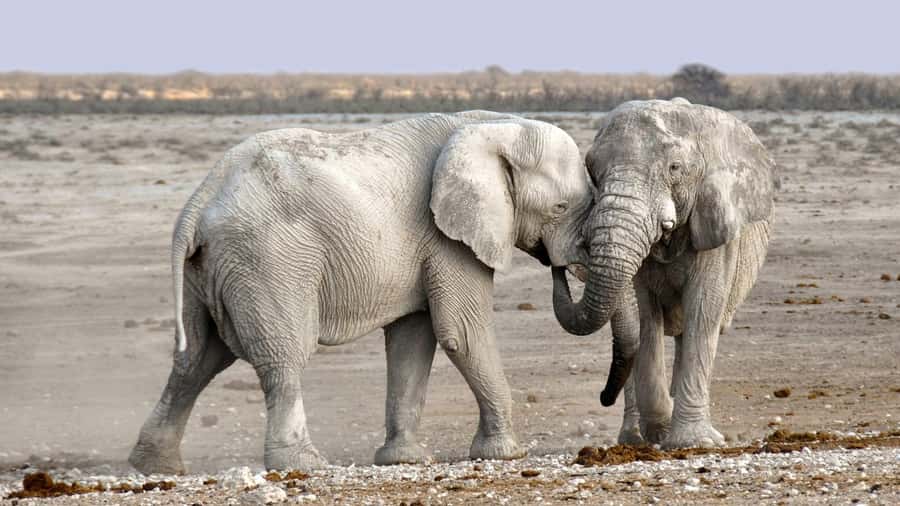
Bring what keeps you comfortable and ready to spot. The basics listed for this activity are exactly the kind of things that prevent “vacation regrets.”
- Comfortable shoes: you might stand or shift your position during stops.
- Sun hat: glare can sneak up on you once the morning light strengthens.
- Camera: even if your shots are mostly through the open air, quick access matters.
- Insect repellent: you’re in wildlife country with biting insects.
- Binoculars: great for birds and for checking animals at a distance without zooming your camera for everything.
Then add a smart winter note based on real comfort experience. Wear layers. One winter group described intense cold on a fully open 4×4, and while blankets were provided, it still wasn’t ideal. Plan for cold air and bring enough clothing so you’re not counting on extras.
If you’re using binoculars, practice once before you go. You don’t need a lot of time, just get used to focusing so you’re ready when the guide calls out an animal sighting.
Also, charge your phone or camera battery ahead of time. Morning wildlife time can be a longer stretch than you think once the drive is tracking and waiting.
Who should book this game drive, and who should reconsider
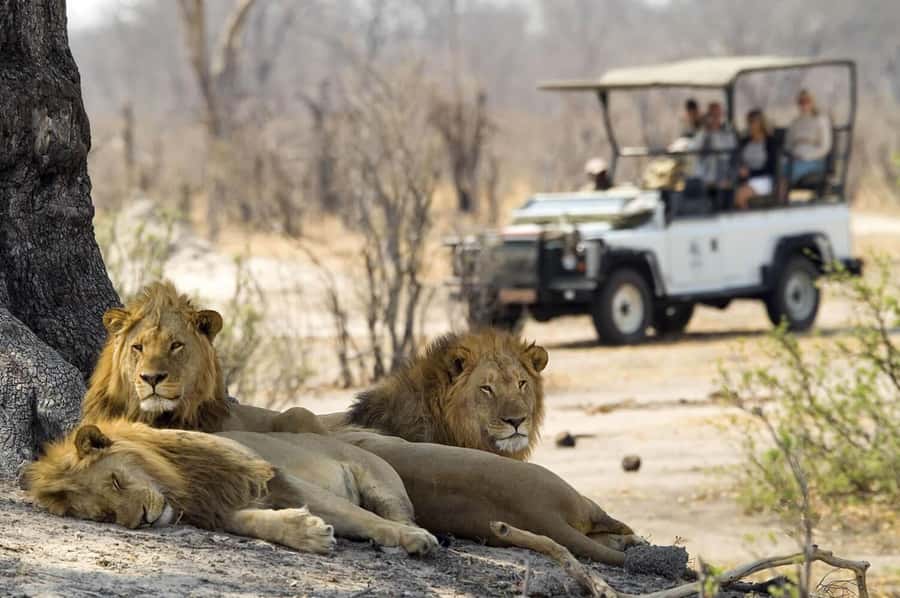
This is a strong choice if you want a safari hit close to Victoria Falls, with a guided focus and an experience that fits into a busy day. It’s especially good for:
- First-time safari visitors who want the “big animals” possibility plus explanation.
- Travelers who prefer a small group experience rather than a large bus.
- Anyone who likes open-air viewing and wants cleaner photo angles.
It’s a tougher match if:
- You hate cold mornings and don’t want to dress for it.
- You need guaranteed animal sightings, because wildlife days vary.
- You’re expecting a long, all-day trek. This is 3 hours, so it’s about momentum and efficient spotting.
If you’re the type of traveler who enjoys learning while you look, you’ll get more out of it. If you’re just counting animals, you may feel disappointed on a slower day.
Should you book this Victoria Falls game drive?
If your ideal day includes a short safari session, open-air viewing, and a guide who connects what you see to the habitat, then yes, you should seriously consider booking. The combination of a small group, specialized safari vehicle, and guided explanations is a solid value for the time you spend.
I’d book with confidence if you’re also planning to bring layers and you’re okay with the reality that wildlife timing can be unpredictable. Think of this as a “best shot” safari window around Victoria Falls, not a promise of every animal on your list.
If you’re unsure, here’s my simple decision rule: if you’re willing to dress for early morning cold and you’re excited by the possibility of seeing elephants or lions, book it. If not, spend that time elsewhere where comfort is more predictable.
FAQ
How long is the game drive?
The activity runs for 3 hours.
Where does this game drive take place?
It takes place in Zambezi National Park near Victoria Falls, in Matabeleland North, Zimbabwe.
How much does it cost, and what about park fees?
The price is $100 per person. National park fees are $15 per person and are not included.
What vehicle will you ride in?
You’ll travel in an open-air safari vehicle or a 4×4 vehicle designed for navigating the terrain.
What group size should I expect?
The group is small, limited to 8 participants.
What language is the live guide, and what should I bring?
The live tour guide is in English. Bring comfortable shoes, a sun hat, a camera, insect repellent, and binoculars.
More Tour Reviews in Zambezi National Park
More Game Drives from Victoria Falls
Other Zimbabwe Tours in Our Notebook
- Zambezi 3hr Game Drive
★ 4.6 · 5 reviews - Victoria Falls: Game Walk in the Zambezi National Park
★ 4.5 · 5 reviews - Game drive in Victoria Falls
★ 4.3 · 7 reviews - Victoria Falls: Zambezi National Park Game Drive
★ 3.9 · 8 reviews
Victoria Falls Safari Game Drives, compared.
 ★ 4.4Zambezi National Park Game Drive in a Small GroupFrom $10051 reviews
 ★ 5.0Unique Safari Game Drives in Zambezi National Park, 4 OptionsFrom $12539 reviews
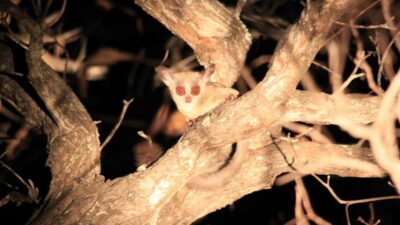 ★ 4.4Night Game Drive and 3-Course Bush DinnerFrom $20027 reviews
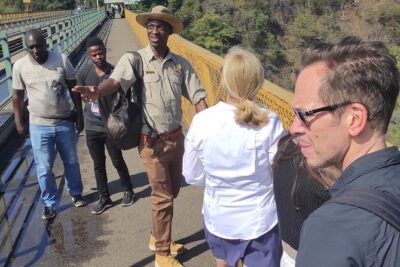 ★ 5.0Walking Safari to the Falls, Bridge and beyond with SavannahFrom $4522 reviews
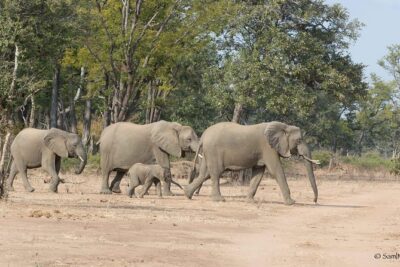 ★ 5.0Zambezi National Park Game Drive AM /PMFrom $9019 reviews
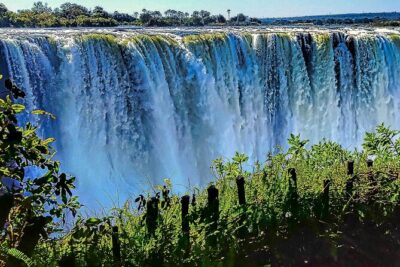 ★ 5.0Guided Tour of the Falls (ZIM side) Wildlife Safari, by SavannahFrom $4519 reviews
 ★ 5.0Baobab-Sunrise-Sunset-Vulture-Moonlight Safaris, 4 OptionsFrom $8018 reviews
 ★ 5.0Safari Game Drive in Zambezi National Park with Hotel PickupFrom $10018 reviews
Browse the lists this tour appears in