
REVIEW · CHINOTIMBA & VICTORIA FALLS VILLAGE TOURS
African Village Tours
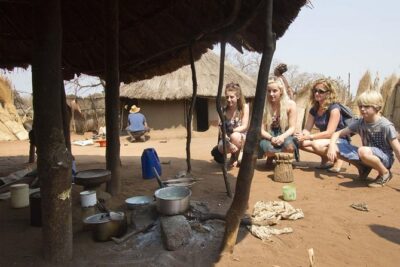
A quick drive, real village life. This private outing takes you out of Victoria Falls township to a small Zimbabwean village, where you’ll learn how daily routines work for men, women, and children. I love the hands-on cultural focus and the chance to socialize in a real community setting, not a staged show. One thing to keep in mind: it is short, so you’ll leave with understanding of daily life, not a full day of village immersion.
I also like that the experience is guided and organized, with pickup offered and a mobile ticket that keeps things simple. You’ll hear how chores are divided by gender and age, plus stories tied to traditional recipes and everyday tasks. The drawback is that this tour is more about people and routine than big sights, so if your priority is wildlife viewing or dramatic landmarks, this may feel more low-key.
Even with a maximum of 15 travelers, it’s set up as a private tour, which usually means more time for questions and a calmer pace. Expect about 2 hours 30 minutes of time to connect, learn, and share space respectfully. If you want a meaningful cultural stop near Victoria Falls, it’s a very good fit.
In This Review
- Key things you will notice on this village visit
- Victoria Falls, but make it personal: leaving the township for village life
- The $50 price makes sense when you compare what you’re actually buying
- What happens during the 2 hours 30 minutes (and what to expect)
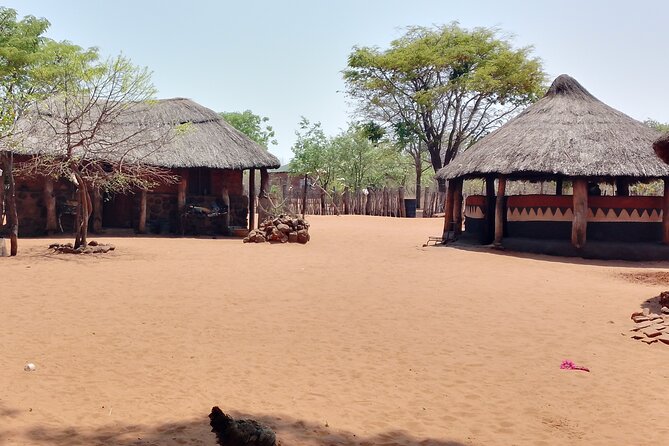
- Stop 1: the Intondolo Safaris and Tours village visit
- What you learn on site
- Socializing and making new connections
- Traditional recipes, not restaurant talk
- Pickup, mobile ticket, and a private format that helps you ask better questions
- The real value: understanding how roles shape a community
- Practical tips so you get more out of it
- Who should book this village tour from Victoria Falls
- Should you book African Village Tours near Victoria Falls?
- FAQ
- How long is the African Village Tours experience?
- What is the price per person?
- Is pickup included?
- Is this tour private, and how many people can join?
- Do I need to pay for admission tickets?
- Do I get a mobile ticket?
- Can I cancel for free?
- Is there a child rate?
Key things you will notice on this village visit
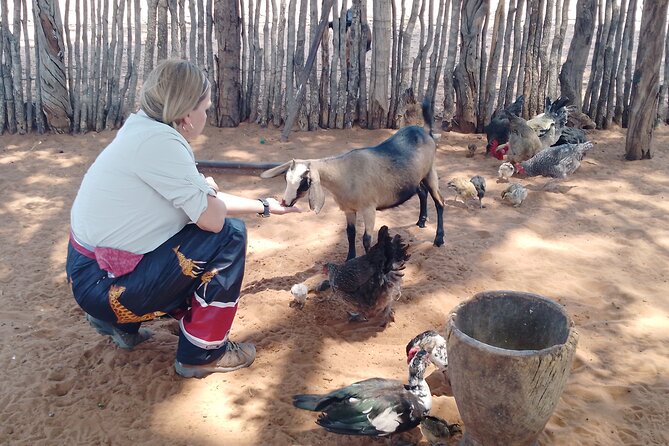
- Private guide and vehicle: easier to ask questions and move with purpose.
- Chores by gender and age: you’ll learn how roles shape daily life.
- Traditional recipes: food stories are part of what you take home.
- Social time with the community: this is built around conversation, not a quick photo sprint.
- Short, focused schedule: about 2.5 hours, so you’ll need to show up ready to connect.
Victoria Falls, but make it personal: leaving the township for village life
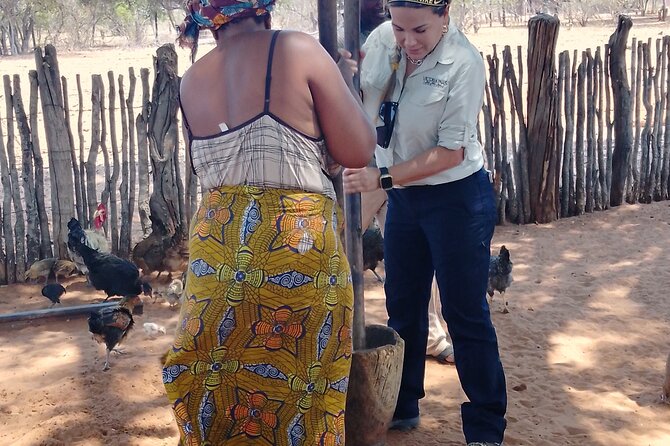
Victoria Falls is famous for spectacle, but it can also feel a bit like a “stop and go” place. This is different. The whole idea is to step away from the township of Victoria Falls and spend time with a small Zimbabwean village where routines still follow daily needs rather than visitor schedules.
What makes this work well is that it’s not only about watching. You’re meant to learn how life functions. That includes practical details like how chores get divided, how families manage day to day work, and how traditions show up in food and conversation. It’s the kind of cultural visit that helps you understand what people actually do, not just what they perform.
I also like that the tour is described as an educational experience built on understanding. That matters, because a village visit can go wrong if it turns into entertainment. Here, the framing is learning and respect, with a social element built in.
The $50 price makes sense when you compare what you’re actually buying
$50 per person can feel either “cheap” or “not cheap,” depending on what else is included in the day. In this case, you’re paying for a private guided visit out to a local village, with pickup offered and a dedicated vehicle to get you there.
You’re not buying an attraction ticket that you’ll forget in an hour. You’re buying time with a guide, time to meet people, and time to hear how everyday life is organized, including recipes and household roles. The value is highest when you care about real culture, family life, and understanding how communities run.
Also note what’s not included. Gratuities are optional, which is typical for tours like this, and it gives you the choice to reward good guiding. Since admission is free for the village visit portion, you’re not likely to get hit with surprise ticket costs once you’re with the team.
Other village and township visits we have written up
What happens during the 2 hours 30 minutes (and what to expect)
This experience runs for about 2 hours 30 minutes. The format is a guided village outing, designed to fit into a Victoria Falls day without swallowing your whole schedule.
In practice, here’s what your time is likely structured around:
1) Set-off from Victoria Falls to a nearby village
You’ll ride from town to villages located a few kilometers away. This matters because the change in environment is part of what you’re learning. You’re not just hearing explanations, you’re also seeing how people live beyond the township feel.
2) Village interaction and daily-life learning
Once there, the focus shifts to everyday life. You’ll learn how duties are shared based on gender and age, and you’ll hear how domestic work and outdoor responsibilities differ. The goal is education and understanding, with time to meet people and socialize.
3) Food and recipes as part of culture
Traditional recipes come into the conversation, so you leave knowing more than just “what people do.” You also pick up cultural context through what people cook and how they think about food.
4) Wrap up and return
Because the total time is about 2.5 hours, it’s not a long, slow day. You’ll need to be present and curious early, since the best conversations tend to happen when everyone has time, not at the very end.
A detail worth respecting: the description talks about village work including outdoor duties such as herding cattle and small-scale hunting for rabbits, and it even mentions predators like lions and hyenas in that context. That is part of understanding real day to day life in the African bush, not a sensational script.
Stop 1: the Intondolo Safaris and Tours village visit
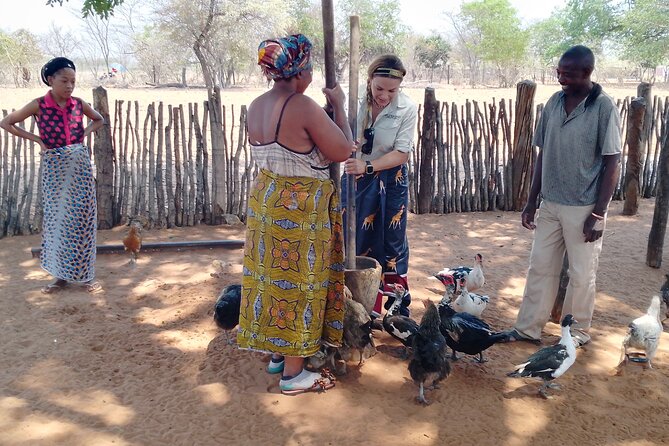
One stop is the whole event, and it’s where the meaning lives.
At Intondolo Safaris and Tours, the village experience is described as starting from sunrise and running through the day toward evening, even though the tour length is about 2.5 hours. Translation for you: you should expect the experience to feel like “day-in-the-life,” not a rushed stop. If you’re sensitive to heat or long conversations, plan your energy accordingly.
What you learn on site
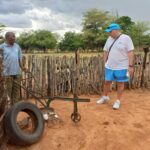
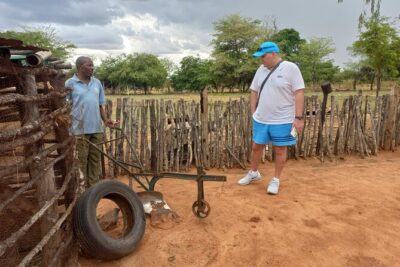
The village visit is centered on how daily life works. You’ll get a clear explanation of how roles are shared based on gender and age. Women are described as doing most domestic work. Men are described as taking on hard duties out in the veld, including herding cattle and small-scale hunting for rabbits, with a need to consider predators such as lions and hyenas.
That sounds intense when you read it quickly, but the point is not to shock you. It’s to help you understand how survival, work, and community responsibilities connect.
Socializing and making new connections
The experience is also built around meeting people and making friends. One message of appreciation specifically thanks Colum for spending time meeting village school kids and the broader community, with thanks for helping the disadvantaged and leaving people smiling. That kind of comment tells me the visit is meant to be human and respectful, not transactional.
You should treat this time as conversation and listening time. Ask questions that show you’re trying to understand. Keep your tone gentle and curious. In a village setting, your attitude is part of the “experience,” whether you realize it or not.




Traditional recipes, not restaurant talk
Food shows up as part of what you take away. Traditional recipes are mentioned as a major part of the knowledge you gain. That means you’re likely to hear how dishes connect to daily life, available ingredients, and household routines.
For many visitors, food is an easier bridge than talk about work roles. If you care about culture beyond photos, this is one of the best reasons to book.
Pickup, mobile ticket, and a private format that helps you ask better questions
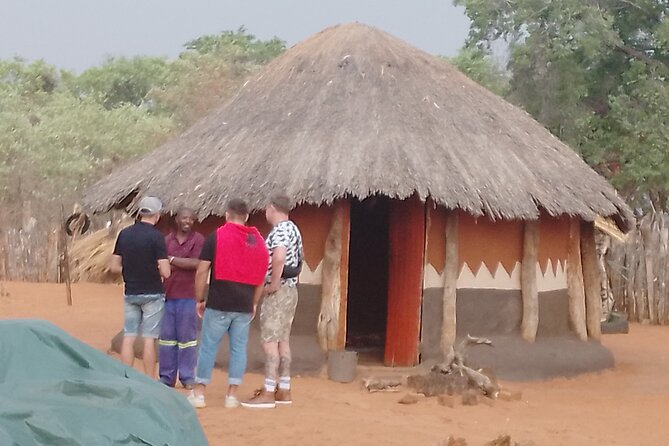
This tour includes private tour structure, plus pickup offered. That’s practical. It means you avoid the hassle of figuring out transport on your own, and it usually helps you arrive on time and in the right headspace for conversation.
It also includes a mobile ticket, which is handy if you travel light or hate dealing with printed paperwork.
With a maximum of 15 travelers, it’s not designed to be crowded. Even so, this is not a solo mission. You’ll share the guide and the vehicle with the group assigned to you. Since the tour is private, you’re more likely to get a personalized pace and a guide who can handle questions without rushing everyone along.
One thing to consider: because the schedule is compact, the guide’s time is finite. If you have specific questions, be ready with them early. Don’t wait until the last 20 minutes when everyone is already in wrap-up mode.
The real value: understanding how roles shape a community
A lot of tours say they show culture, then deliver a checklist of facts. Here, the learning is more about structure and responsibility.
You’ll learn how chores are divided between men and women, and how age also factors into who does what. That tells you something important about community life: work isn’t random, it’s organized. It’s tied to needs, skills, safety, and survival.
This kind of cultural understanding changes how you interpret everything else in Zimbabwe. You start noticing that people’s choices make sense within their environment. You also start respecting that “daily life” is a complex system, not just a series of moments.
Is it perfect? No. Two hours 30 minutes can only cover so much. You’re not going to leave knowing every tradition in one visit. But you will leave with a real, grounded picture of how life functions, including domestic work, outdoor responsibilities, and how food ties into routine.
Practical tips so you get more out of it
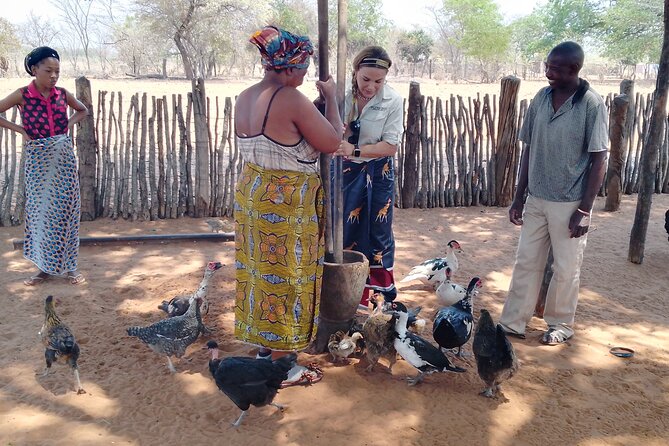
You’ll have the best time if you treat this like a respectful conversation, not a sightseeing chore.
- Come with questions about everyday life. Roles, routines, food, and how families plan their day are all directly aligned with what you’ll learn.
- Expect a compact schedule. Since it’s around 2.5 hours, your attention matters. Be ready to focus once you arrive.
- Bring a flexible mindset. Some details include serious realities like predators and safety. Keep it contextual and avoid turning it into entertainment.
- Plan for optional donations. Gratuities are optional, so if you want to show appreciation, do it thoughtfully and in line with the guide’s guidance.
- Use the mobile ticket. Make sure your phone is charged enough. This is the easiest way to avoid last-minute stress.
If you like thoughtful travel, this will feel worthwhile. If you want only scenery and movement, you might find it slower than a wildlife drive.
Who should book this village tour from Victoria Falls
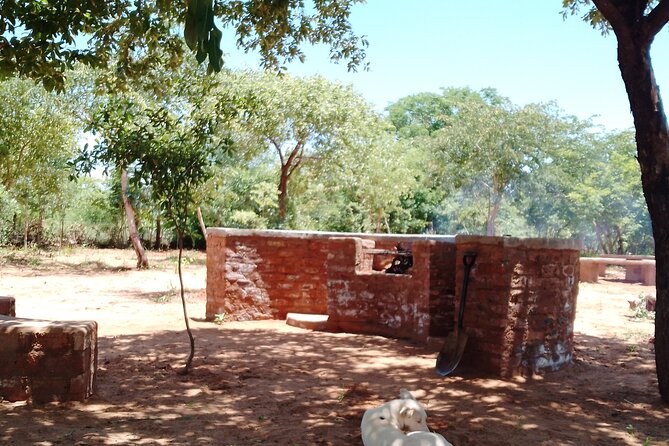
This tour fits best if you want:
- Cultural learning that focuses on real daily routines
- A guided, private-feeling visit with pickup
- A short stop you can add to a Victoria Falls itinerary without burning the whole day
- An experience where socializing and recipes are part of the deal
It might not be your ideal pick if you’re the type who wants a dramatic, landmark-heavy tour, or if you’re very uncomfortable talking with new people and hearing how work and family life are organized.
If you’re traveling with kids, it can be a good option because it’s described as most travelers can participate. There’s also a child rate rule tied to sharing with two paying adults, so your family pricing may work out well.
Should you book African Village Tours near Victoria Falls?
If your goal is to understand Zimbabwean village life in a respectful, guided way, I’d say yes. The combination of private guiding, pickup, and a focused 2 hours 30 minutes makes it a smart cultural add-on when you’re based in Victoria Falls.
I’d especially book it if you care about how daily work gets divided, how recipes connect to tradition, and you want more human interaction than a quick photo stop. The value at $50 per person is strongest when you actually want cultural context, not just a checkbox activity.
Book it with the right expectations. This is about people, routine, and learning. If you’re after wildlife action, you’ll need a different day for that.
FAQ
How long is the African Village Tours experience?
It lasts about 2 hours 30 minutes (approx.).
What is the price per person?
The price is $50.00 per person.
Is pickup included?
Yes, pickup is offered.
Is this tour private, and how many people can join?
It is a private tour, and the activity has a maximum of 15 travelers.
Do I need to pay for admission tickets?
Admission is listed as free for the village experience portion.
Do I get a mobile ticket?
Yes, a mobile ticket is included.
Can I cancel for free?
Yes. Free cancellation is available up to 24 hours in advance for a full refund. If you cancel less than 24 hours before the experience starts, you will not receive a refund.
Is there a child rate?
Yes. A child rate applies only when sharing with 2 paying adults.
More Tours Across Zimbabwe




More Tour Reviews in Victoria Falls





Chinotimba and the Villages Nearby



Other Zimbabwe Tours in Our Notebook
- Zambezi Sunset Cruise In Victoria Falls
★ 4.5 · 3 reviews - Victoria Falls: Whitewater Rafting + Chobe Safari Combo
★ 5.0 · 3 reviews - Guided Tour Of The Majestic Victoria Falls/Sunrise Tour
★ 5.0 · 3 reviews - Victoria Falls and Harare Airport Transfers and Car Rentals
★ 4.0 · 3 reviews - The Eatery Potjie Dinner Experience in Victoria Falls
★ 4.5 · 3 reviews - Shearwater Bungee Jump Victoria Falls Bridge
★ 5.0 · 3 reviews
Chinotimba & Victoria Falls Village Tours, compared.
 ★ 4.5Victoria Falls Rural Tour: Village Life ExperienceFrom $5015 reviews
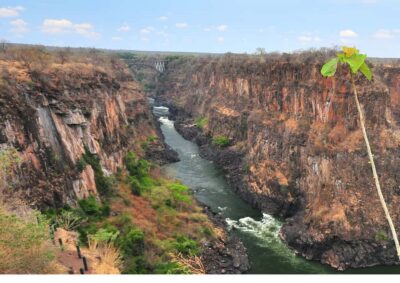 ★ 5.0Victoria Falls Gorge Hike & Farm to Table Village LunchFrom $12015 reviews
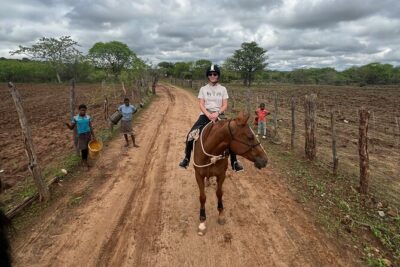 ★ 5.0Horse Riding Community Village Tour ExperienceFrom $13513 reviews
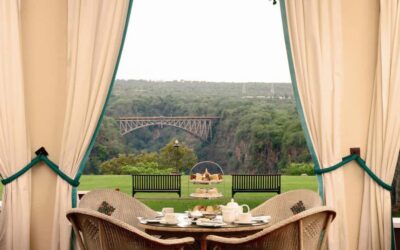 ★ 4.8Cultural Tour with High TeaFrom $15012 reviews
 ★ 4.0Victoria Falls Cultural Private Village TourFrom $609 reviews
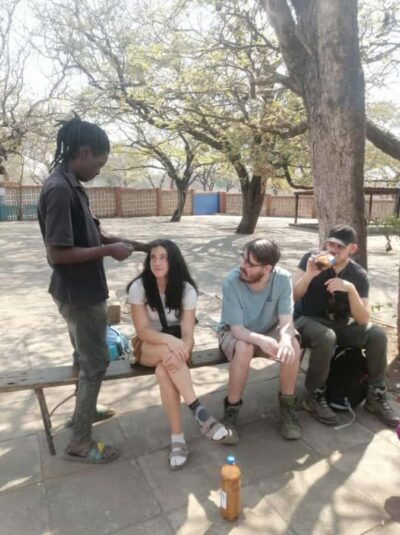 ★ 4.7Chinotimba Township Tour with a Local GuideFrom $509 reviews
 ★ 4.5Cultural Village Tour,Interacting With the Communal Villagers (Educational Trip)From $357 reviews
 ★ 4.8Livingstone: Amazing Traditional Village & Dance CultureFrom $687 reviews
Browse the lists this tour appears in