
REVIEW · CHOBE NATIONAL PARK SAFARIS
6 Days Victoria Falls Chobe Wildlife and Okavango Delta Tour
Wildlife takes over your schedule fast. This 6-day safari links Chobe’s riverfront animals with the quiet drama of the Okavango Delta, plus salt-pan scenery that feels like another planet. I love how the timing is built around when animals actually move, not when it’s convenient for a clock.
The second thing I really like is the mokoro island camp in the Okavango, where you glide through channels and spend the night in movable tents with bush ablution. One possible drawback: this trip includes long road days (including a big push toward the salt pans), so you’ll want to be patient and travel-light.
I also like the small-group feel, capped at 6 people, and the practical guidance that keeps you comfortable. If you’re lucky enough to get a guide like Tafara, you’ll likely appreciate how kind and professional they are, and how helpful the support can be when you’re moving across borders and into remote areas.
In This Review
- Key highlights to know before you go
- Victoria Falls to Kasane: your first taste of Botswana wildlife
- Chobe River cruise: why this 3-hour boat matters
- Day 2 in Chobe: morning and afternoon drives that follow the animals
- Makgadikgadi Salt Pan: the road to vast silence
- Maun stopover and the optional Okavango Delta flight
- Two days, one night in the Okavango Delta: mokoro silence and camp life
- Day 6 in the Delta: morning calm, then back to Maun
- Price and value: is $2,250 worth it?
- Who this safari fits best
- Guide support and small-group comfort
- Should you book this 6-day Victoria Falls, Chobe, and Okavango tour?
- FAQ
- How long is the tour, and where does it end?
- What’s included in the meals and drinks?
- Are flights included in the price?
- Is pickup offered?
- How big is the group?
- Is there an optional activity in the Okavango Delta?
Key highlights to know before you go
- Chobe boat cruise that runs for about 3 hours on the Chobe River, great for close-up animal viewing
- Two game drives in Chobe on Day 2, timed for morning activity and late-afternoon movement
- Makgadikgadi Salt Pan stop with real “vast, lifeless land” atmosphere and limited crowds
- Optional Okavango Delta flight around $150 per person (minimum group size noted)
- Okavango 2-day, 1-night mokoro safari with a guided bush walk and a night in movable tents
- Small group (max 6), which often makes the whole rhythm feel easier
Victoria Falls to Kasane: your first taste of Botswana wildlife
Your trip starts in Victoria Falls and heads toward Kasane in Botswana, with border crossing built in. The transfer time is about 1 hour 30 minutes total, so Day 1 doesn’t drag, and you’re on the wildlife side of things quickly.
Kasane is the town that puts you close to Chobe National Park’s most famous viewing zone: the Chobe Riverfront. In dry months, herds concentrate along the river, and that’s where you can get repeated chances to spot elephants and buffalo without driving all day. The whole idea here is simple, if you’re willing to go where the animals go.
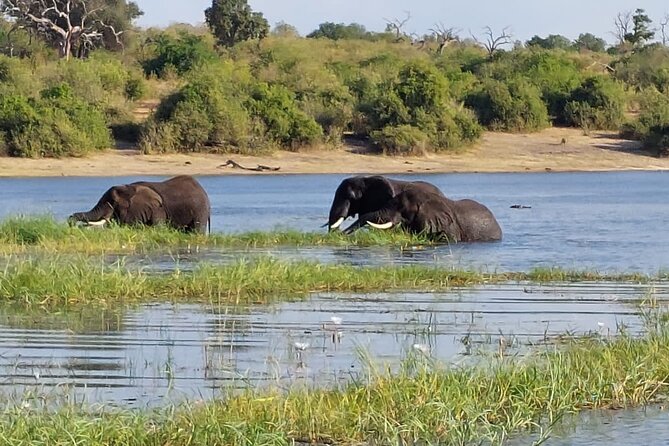
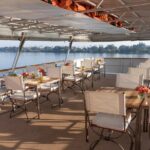
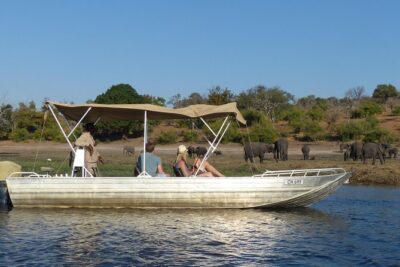
Then comes the main payoff: the afternoon Chobe River boat cruise. The schedule is tight but relaxed, leaving your lodge area around 14:30, stepping onto the boat around 15:00, and returning just before ducking into evening around 18:00. You’ll be on the water for about 3 hours, moving upstream and getting steady viewing time.
What I like about the boat cruise plan is that it does not depend on luck the way a land drive sometimes does. If animals are drinking, crossing, or lingering at the banks, you get a closer, lower-angle view than you would from a vehicle.
Chobe River cruise: why this 3-hour boat matters
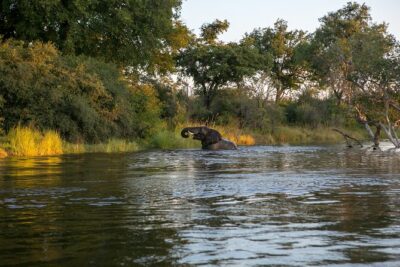
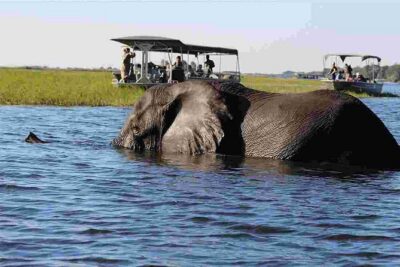
This is one of those days where the scenery is only half the story, the other half is animal behavior. Chobe is known for elephants in large numbers, and you’ll also look out for Cape buffalo and other wildlife that show up along river edges. Even with just an afternoon window, the riverfront can deliver repeated sightings because animals keep using the same water routes.
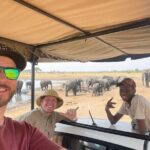
The cruise is run from an open-sided 4×4 transfer to the river, then onto the boat. That combination is a practical win: you spend your “best light” hours on the water rather than trapped inside a vehicle, and you still have quick access to land if you need it.
Tip for you: pack for sun and wind. Boat time can feel cooler as the air moves across the water, but you’ll still be in strong daylight. A light layer, plus sunglasses, tends to make the experience more comfortable.
Other Chobe crossings from the Zimbabwe side
Day 2 in Chobe: morning and afternoon drives that follow the animals
Day 2 is built around a smart pattern: start early, then go again late. The morning game drive starts around 06:00 and runs until about 09:00. Tea and coffee come mid-drive, and then you’ll eat a full breakfast around 09:30.
Then you get a recovery gap before the afternoon drive runs from about 15:00 to 18:00. This timing matters because wildlife activity shifts with light and temperature. Early morning and late afternoon are often when you’ll see animals move out of cover to forage, groom, or find water.
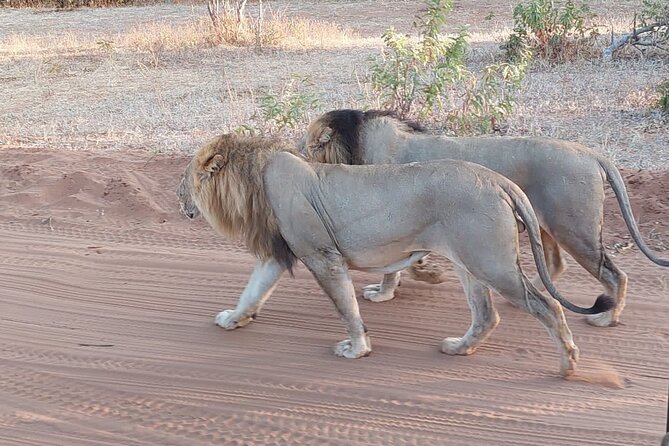
What you can realistically hope to spot in Chobe includes big elephants and Cape buffalo, with other species around the woods and lagoons near areas like Linyanti Marsh. You can also expect a lot of birds, and the floodable grasslands of Savuti Marsh can attract migrating zebras.
One caution: two drives in one day means you’ll be outdoors and in vehicles for long stretches. Bring water, wear comfortable shoes, and be ready for dust and heat. This is not a spa tour. It’s a “pay attention and enjoy the moment” safari.
Makgadikgadi Salt Pan: the road to vast silence
Day 3 turns the dial from river wildlife to stark emptiness. After breakfast at around 8:00, you drive roughly 300 km, taking about 4 hours, and you’ll see animals on the way. That detail is more important than it sounds. You avoid the dreaded feeling of a long transfer with nothing to look at.
You reach Makgadikgadi Salt Pan, one of the largest salt flats in the world. The name Makgadikgadi translates to “vast, lifeless land,” which is a perfect description of the mood you’ll get out here. Even in high season, people can feel scarce, so you get that quiet sense of space.
You’ll spend about 7 hours at the pan, and this is time for your brain to catch up. On a wildlife safari, your eyes can get trained to scan for movement, then Makgadikgadi resets your attention. The salt pan is not about quick thrills, it’s about atmosphere, scale, and the way the horizon changes your sense of distance.
What to watch for: light can be intense. If you’re photographing, you’ll want sunglasses and a hat, and you might prefer morning or late-day angles for softer color.
Maun stopover and the optional Okavango Delta flight
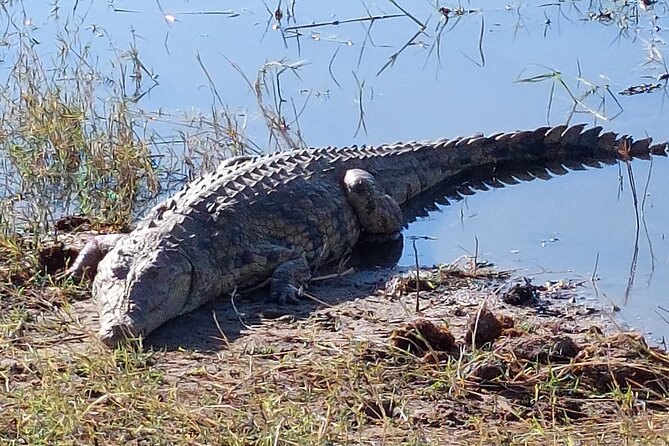
Day 4 moves you toward Maun, the gateway town for Okavango Delta experiences. After breakfast at 8:00, you drive about 4 hours, passing through Makgadikgadi National Park and viewing game. You arrive in Maun around lunchtime and then check in with time to relax before an optional activity.
That optional activity is a flight over the Okavango Delta, priced around US $150 per person with a minimum group size requirement (minimum 5 persons noted). If you’re the type who wants an aerial view to connect all the channels and flood patterns, this is the time to consider it.
If you skip the flight, you’re still set up well for the real Okavango part, because the main safari happens on Day 5 and Day 6. The Maun half-day is more about regrouping, stretching, and getting ready for the slower pace of water travel.
Practical note for you: if you’re sensitive to schedules, be sure to ask how weather affects flight timing. The tour data doesn’t spell this out, so you’d want to confirm with your guide on the ground.
Two days, one night in the Okavango Delta: mokoro silence and camp life
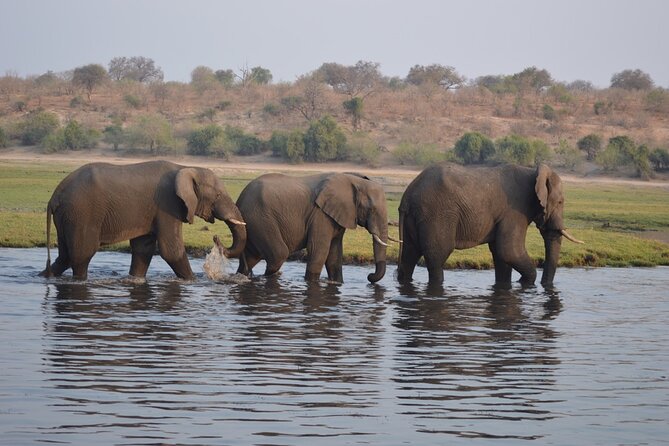
Day 5 is the heart of the trip, and it’s where the Okavango Delta becomes more than a name on a map. After an early breakfast, you head out for a 2-day, 1-night safari in the Delta.
You transfer to the Okavango River in a 4×4 open-sided vehicle, which keeps you in the viewing mode even before the water journey starts. Then you meet local guides (the polas guides) who transfer you onward to the island where you camp.
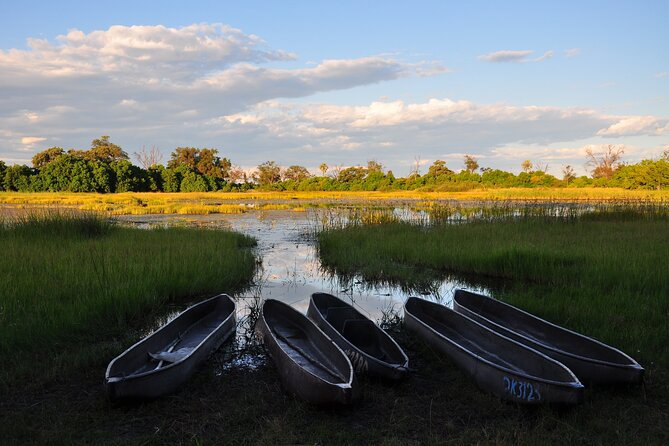
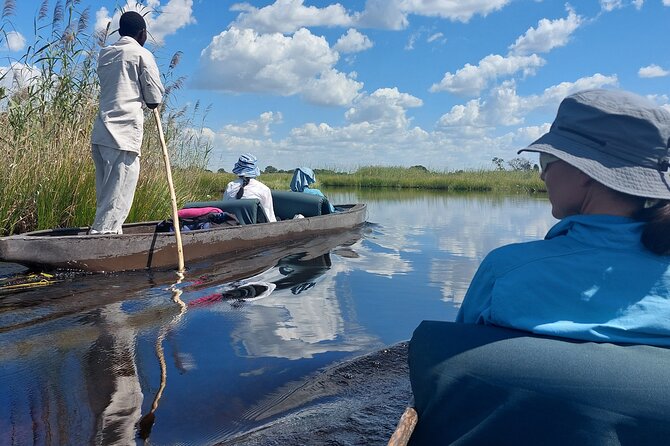
The island part happens in a mokoro, a dugout canoe. The key word here is quiet. Mokoro travel is silent transportation through channels, and you’ll pass beautiful waterways while looking for hippos and other animals along the way.
When you arrive, you set up camp on the island and relax near the river. Dinner comes in the evening, and you sleep overnight in movable tents with bush ablution. This is not a hotel night, so set expectations around basics and natural surroundings.
Around 16:00, you take a guided walk for about 2 hours. That walk is a valuable contrast to the mokoro, because walking gets you close to smaller life and bird activity. After the walk, you return for dinner and the overnight.
A useful way to think about this section: it’s built for pace changes. First, the drive gets you into the right area. Then mokoros slow your senses down. Then the guided walk returns you to land movement. You end up with three different “animal viewing angles” in one day.
More wildlife trips nearby
Day 6 in the Delta: morning calm, then back to Maun
Your Day 6 starts gently, with coffee and rusks in the morning. After that, you’ll head out for a morning walk again. Then there’s full breakfast, and you start the return process.
You unpack the tents and take the mokoro for about 1 hour 30 minutes to meet the 4×4 vehicle back to Maun. The safari wraps up after lunch, with the tour ending on arrival in Maun.
This closing rhythm is good for you if you dislike rushing on the last day. You get one more chunk of quiet before you re-enter town life, and the transition feels planned rather than abrupt.
Price and value: is $2,250 worth it?
At $2,250 per person, this is a premium trip, but it does include several components that usually cost extra on their own. You get transportation from Victoria Falls to Kasane and onward, park access is treated as free on the itinerary items listed, and you’re covered with meals: breakfasts, lunches, and multiple dinners. Water and non-alcoholic drinks are included too.
You’re also paying for time in prime areas, not just a “drive-through.” Chobe includes a long boat cruise plus two game drives. Okavango includes a 2-day, 1-night safari portion with mokoros, local guides, a guided walk, and camp setup.
What is not included is flights, and that matters for budget planning. If you’re calculating total cost, you need to add getting yourself into the right starting point and out again after Maun.
Overall, I’d call the price fair if your priority is genuine wildlife time with a structured itinerary. If you’re just looking for a quick look at animals and prefer a more flexible schedule, you might find cheaper styles of travel. But if you want this specific combo of Chobe plus the Okavango Delta, the package approach is often the easiest way to make it happen without headaches.
Who this safari fits best
This tour suits you if you want:
- Big-animal time in Chobe with both river and land viewing
- A real Okavango experience in a mokoro with camp life, not just day trips
- A manageable group size (max 6), which often makes coordination feel smoother
- A schedule that respects animal activity windows (early and late drives)
You might think twice if you:
- Dislike long drives and want very little time in transit
- Need a fully hotel-style comfort level every night, because the Delta portion uses movable tents and bush ablution
- Are counting on the optional Okavango flight, because it has a minimum group requirement and costs extra
Guide support and small-group comfort
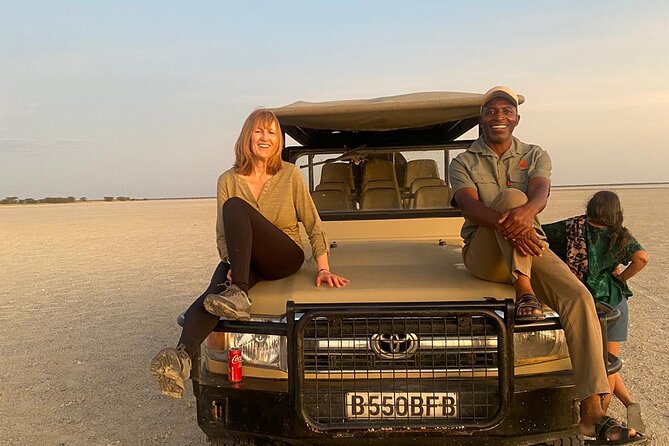
The tour’s feel depends a lot on how support is handled in the field. Names like Tafara and Archie show up in the experiences people describe as kind, professional, and helpful. That matters because you’re crossing borders, changing regions, and spending time in remote areas where good guidance turns logistics into something manageable.
The max 6 travelers cap helps too. In a small group, you tend to get fewer delays, more attention, and an easier flow between vehicle, river, and camp. If you hate waiting around, this is the kind of group size that helps.
Should you book this 6-day Victoria Falls, Chobe, and Okavango tour?
I’d book it if your goal is a classic Botswana wildlife arc, with Chobe doing the heavy lifting for animal density and the Okavango Delta giving you the quiet, intimate water-canoe side of the region. The itinerary is built around actual movement times, and it mixes viewing styles in a way that feels balanced: boat, vehicle drives, salt-pan space, then mokoro and walking.
I’d pause before booking if long road hours will frustrate you, or if you need hotel comforts during the Delta night. Also, be sure to budget for flights, and decide early whether you want the optional Okavango flight.
If you’re the type who enjoys getting up early for a purpose, and you want your money to buy time with wildlife rather than extra stops, this one is a strong fit.
FAQ
How long is the tour, and where does it end?
The tour runs for about 6 days and ends on arrival in Maun, after lunch on Day 6.
What’s included in the meals and drinks?
Water and non-alcoholic drinks are included, plus breakfasts (5), lunches (6), and dinners (5).
Are flights included in the price?
No. Flights are not included.
Is pickup offered?
Yes, pickup is offered.
How big is the group?
The tour has a maximum of 6 travelers.
Is there an optional activity in the Okavango Delta?
Yes, there’s an optional flight over the Okavango Delta. It’s listed at about US $150 per person, with a minimum group size of 5.
More Tours Across Zimbabwe
More Tour Reviews in Victoria Falls
Chobe, More Ways to Cross for the Day
Other Zimbabwe Tours in Our Notebook
- Zambezi Sunset Cruise In Victoria Falls
★ 4.5 · 3 reviews - Victoria Falls: Whitewater Rafting + Chobe Safari Combo
★ 5.0 · 3 reviews - Guided Tour Of The Majestic Victoria Falls/Sunrise Tour
★ 5.0 · 3 reviews - Victoria Falls and Harare Airport Transfers and Car Rentals
★ 4.0 · 3 reviews - The Eatery Potjie Dinner Experience in Victoria Falls
★ 4.5 · 3 reviews - Shearwater Bungee Jump Victoria Falls Bridge
★ 5.0 · 3 reviews
Chobe National Park Safaris, compared.
 ★ 4.7Chobe National Park Day Trip with LunchFrom $170518 reviews
 ★ 4.6Chobe Day Trip from Victoria Falls, ZimbabweFrom $170250 reviews
★ 4.5Chobe Day Trip From Victoria Falls ZimbabweFrom $170196 reviews
★ 4.6Chobe Day Trip from Victoria Falls, ZimbabweFrom $170250 reviews
★ 4.5Chobe Day Trip From Victoria Falls ZimbabweFrom $170196 reviews
 ★ 4.5Chobe Full Day Trip From Victoria FallsFrom $164135 reviews
 ★ 4.5Chobe Full Day Safari TripFrom $18080 reviews
 ★ 4.6From Kasane: Chobe National Park Full Day Wildlife SafariFrom $12271 reviews
 ★ 4.5Chobe Extended Day Trip from Victoria Falls – ZimbabweFrom $26552 reviews
★ 5.0Chobe Day Trip From Victoria Falls ZimbabweFrom $10042 reviews
★ 4.5Chobe Extended Day Trip from Victoria Falls – ZimbabweFrom $26552 reviews
★ 5.0Chobe Day Trip From Victoria Falls ZimbabweFrom $10042 reviews
Browse the lists this tour appears in