
REVIEW · PRIVATE
Victoria Falls: Private Zambezi River Birdwatching Safari
Birding from the Zambezi feels like cheating. You get a private boat ride through the Matabeleland North waterways where your guide can slow the pace and work the shoreline for hard-to-find species like African Finfoot. I also love how this trip pairs serious birding with a real wildlife chance at hippos and crocodiles, all without wrestling a crowd.
The one drawback to plan around is that it runs rain or shine. If the weather turns, bird activity can drop and the trip becomes more about cruising and photo time than nonstop spotting.
Still, this is a great fit if you want the river to yourself and you care about finding birds, not just passing by them. In a similar vein, guides such as Kennedy and Mongi have a knack for turning a 2 to 3 hour outing into a long list of species, with some small comfort touches like coffee and cake showing up on some departures.
In This Review
- Key highlights to look for on this Zambezi bird safari
- Why the Zambezi River is such a birding magnet
- Private boat time, the real secret to spotting more
- The bird targets that make this safari worth it
- African Finfoot and the shoreline search
- Kingfishers and herons: where the colors show up
- Pratincoles, skimmers, and seasonal surprises
- Birds of prey in the sky
- Wildlife beyond birds: hippos, crocodiles, and more
- What the 2 to 3 hours feels like in real time
- Weather, clothing, and mosquito-proof planning
- Price and value: is $80 a good deal?
- Who this safari is best for (and who should rethink it)
- My booking checklist before you go
- Should you book this private Victoria Falls Zambezi bird safari?
- FAQ
- How long is the Victoria Falls Private Zambezi River Birdwatching Safari?
- What is included in the $80 per person price?
- Do I need to pay any extra fees?
- What birds will we try to see?
- Should I bring binoculars?
- Is food or drinks included?
Key highlights to look for on this Zambezi bird safari
- Private boat pace means fewer distractions and more careful scanning of overhanging branches and sandbanks
- African Finfoot odds are built into the route by focusing on river edges and shaded shoreline cover
- Kingfishers and herons are a major theme, with multiple egret and kingfisher species likely in the right conditions
- Hippos and crocodiles nearby add a second spotlight to your morning, not just birds in the distance
- Seasonal migrants like pratincoles and European winter guests can show up, depending on the time of year
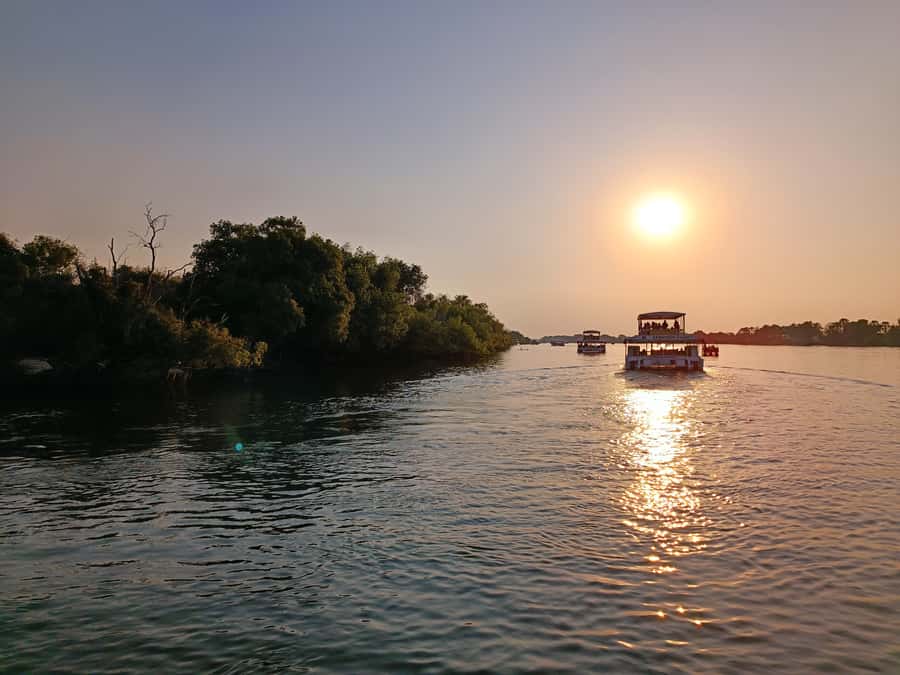
- Sunset and river scenery make the cruise feel special even when birds slow down
Why the Zambezi River is such a birding magnet
The Zambezi River system in Zimbabwe is wide, braided, and cut into many smaller channels and islands. That matters because birds don’t live in one single place, they use the whole patchwork: mud edges, sandbanks, reed lines, and branches hanging over the water.
This is also one of the reasons you can go “birding” and still end up feeling like you’re on a wildlife safari. Hippos and crocodiles spend a lot of time along the same stretches where birds feed, perch, and patrol. So the trip has two layers of payoff, birds first, but mammals close behind.
What I like most for practical value is that the habitat itself helps your guide do their job. On a big river like this, a good spotter can cover ground slowly, then pause where the shoreline looks right, rather than rushing to the next stop.
Private boat time, the real secret to spotting more
A private outing changes the feel fast. On a shared group boat, you usually move when everyone else moves. Here, the captain and guide can slow down to match your bird list, your camera needs, and what they spot in real time.
That slower pace is especially useful for species that are easy to miss. African Finfoot tends to stay in specific shoreline areas, often along overhanging branches where the light is mixed and the bird is partly concealed. When you rush, you lose seconds. On this kind of boat, those seconds can be the difference between a quick glance and a clear view.
You also get the freedom to focus on what you care about. If you tell your guide what you’re chasing, the trip becomes more tailored than a generic “see some birds” cruise. One very consistent theme is that the guides take the bird request seriously and then work it into the route.
Other private departures we have reviewed
The bird targets that make this safari worth it
This experience is built around “signature” Zambezi birds, meaning you are not just counting random species. Your guide is scanning for birds that either prefer this habitat or show up here in season.
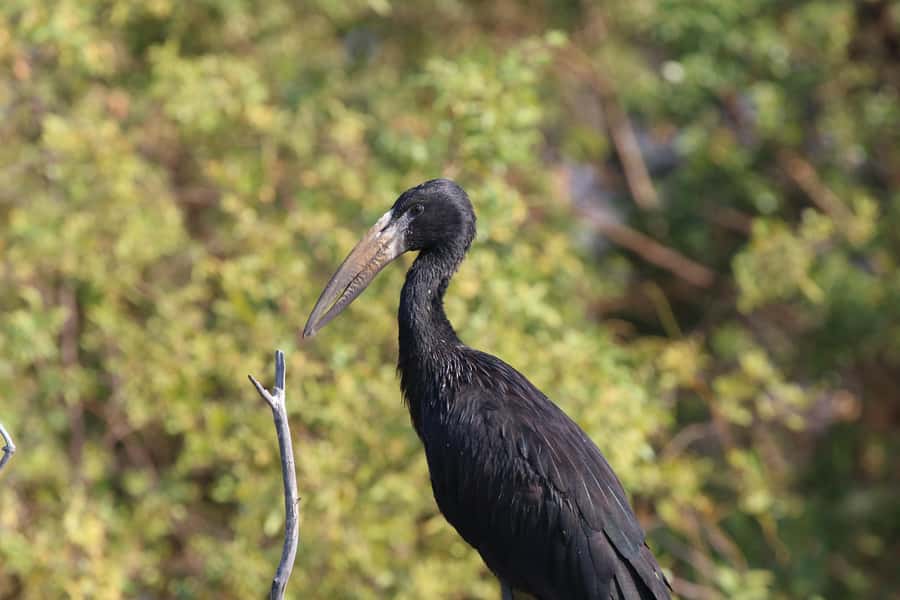
Common species you might expect to see include White-faced Whistling-Duck, Egyptian Goose, Spur-Winged Goose, Water Thick-knee, and Blacksmith Lapwing. Wading birds also show up often, including African Openbill, Yellow-billed Stork, African Darter, Goliath Heron, and multiple egret types like Great Egret, Intermediate Egret, and Little Egret.
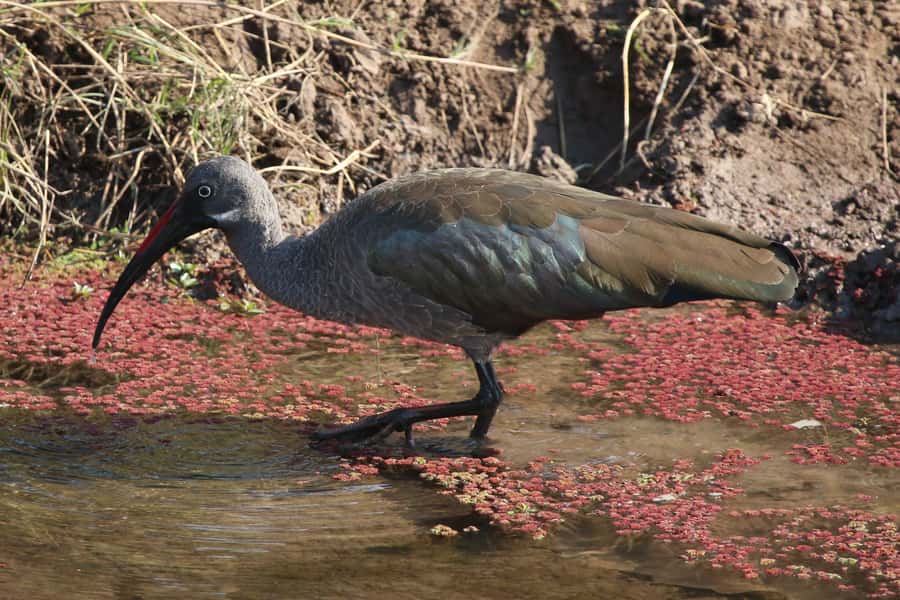
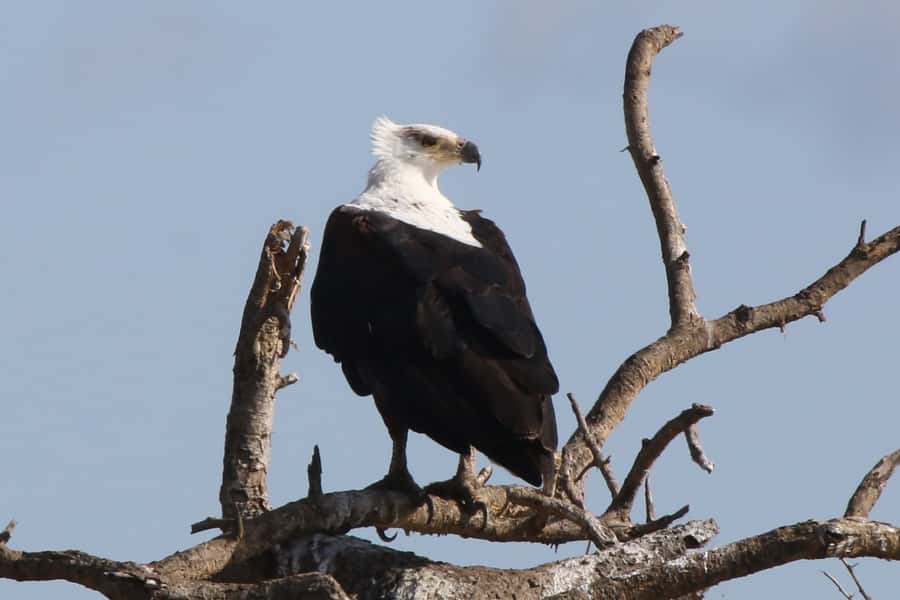
Then there are the river hunters and showy perchers. African Fish-Eagle and Pied Kingfisher are on the radar, along with African Sacred Ibis and Hadada Ibis. This mix is useful because it keeps the day from feeling like one-note birding. You get ducks, herons, and raptors, plus the chance for the flashier kingfishers.
African Finfoot and the shoreline search
African Finfoot is the star bird for many birders, and the best hint you can use is location logic. It’s usually found along overhanging branches at the river shore. So when your guide turns the boat toward shaded edges, they’re not just guessing, they’re checking the kind of cover that finfoot likes.
If your goal is African Finfoot, your best move is simple: be ready when you slow down near the bank. This is not a “walk around and look everywhere” birding style. You’ll get the most from staying focused on the shoreline when the boat pauses.
Kingfishers and herons: where the colors show up
Kingfishers tend to be one of the most satisfying groups on a river birding trip because they are small, fast, and often colorful when they lock onto a perch. On this route, you might spot Half-collared Kingfisher and Malachite Kingfisher, plus other related birds your guide finds in the right spots.
Herons and ibis add size and steadiness to your search. Birds like Goliath Heron, plus African Sacred Ibis and Hadada Ibis, give you a better chance for relaxed viewing and photo framing. If the day is overcast, these bigger birds can still be easier to pick out than skittish smaller species.
Pratincoles, skimmers, and seasonal surprises
This tour becomes extra fun if you love “maybe” birds. Rock Pratincole and African Skimmer are frequently sought-after. They are seasonal and nest on sandbanks and rocks along the river, so your guide’s job becomes reading the shoreline and checking the right features.
There’s also a Europe connection in the list. Collared Pratincole and Black-winged Pratincole can be seasonal migrants that winter here. That means your time of year matters, and your guide’s local knowledge matters too.
Pel’s Fishing-owl is another potential highlight, with a key habitat clue: it lives on the islands. If your captain and guide are willing to spend time working those island views, that is where your odds improve.
Other safari days, compared

Birds of prey in the sky
When birding shifts from the river surface to the air, it can feel like a whole new game. Keep your eyes up for Osprey, a migrant. Also watch for Banded Snake-Eagle and, at dawn, Bat Hawk.
Dickinson’s Kestrel is another one on the prey list, and it’s the kind of bird that rewards patience. If you rush your scanning, you miss the moment it appears and then disappears.
There’s even the chance of seeing the Brown-necked Parrot, also known as Gray-headed Parrot. Parrots can be tough, so if this one is on your wish list, I’d treat it as a bonus but still bring the right energy for slower searching.
Wildlife beyond birds: hippos, crocodiles, and more
The Zambezi is famous for its big reptiles, and this tour gives you a practical way to see them without turning your morning into a long, separate animal hunt.
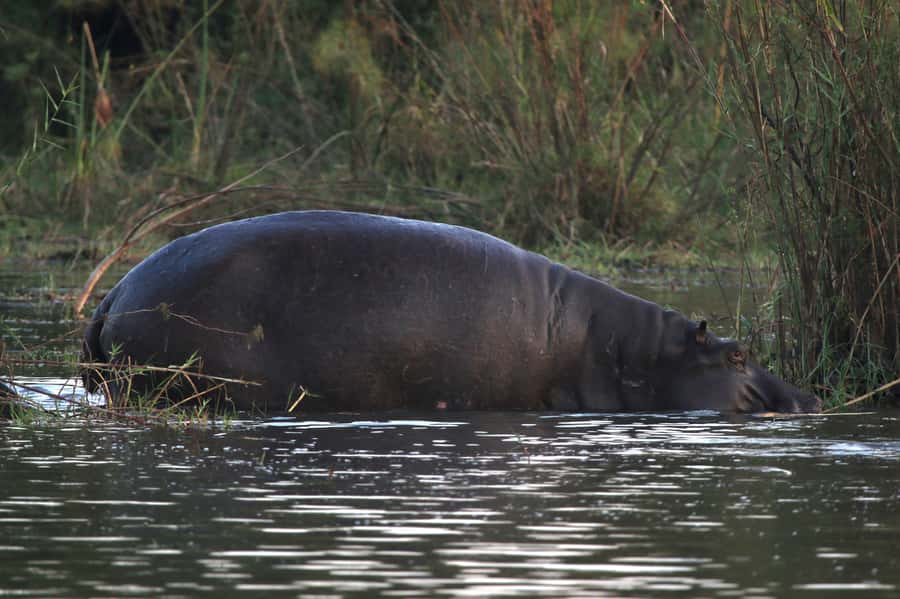
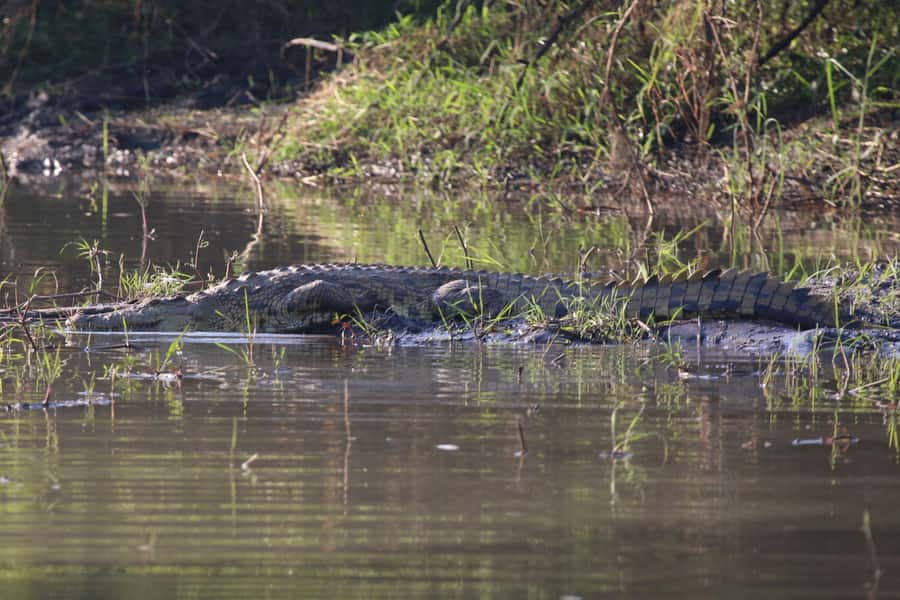
Hippos and crocodiles are explicitly part of what you can see, and the setup is meant to put you close enough to enjoy the viewing. That’s valuable because crocodiles near the waterline can look dramatic at close range, and hippos are often easiest to spot when they’re surfacing and moving along the shallows.
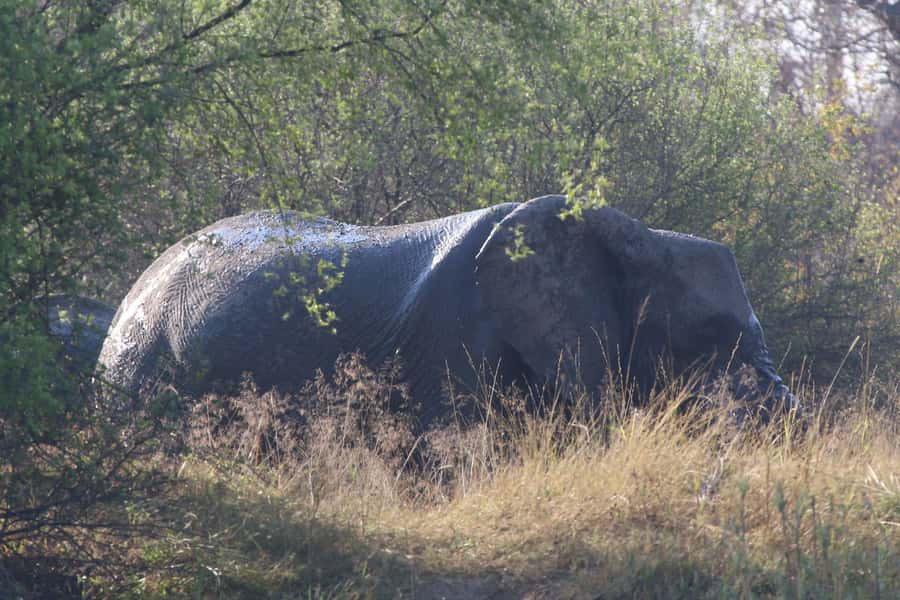
You might also see other animals that come to the river to drink, including African bush elephants, Cape bushbucks, Impalas, and Waterbucks. When that happens, it adds a different texture to the trip. Instead of only interpreting bird behavior, you also get to track mammal movement along the banks and nearby edges.
Some departures can also include other sightings like monitor lizards. The point is that the river draws life, so even if birds are quiet for a short spell, you still have a strong chance of seeing something worth your attention.
What the 2 to 3 hours feels like in real time
This is not a full-day safari. The timing is tight in a good way. In 2 to 3 hours, the goal is to cover the best birding areas, make a careful shoreline sweep, and do it with enough time to actually enjoy your sightings.
A typical flow is simple:
- You cruise the Zambezi channels while your guide points out birds in flight and perched along the banks
- You slow down and pause where the shoreline cover looks promising, especially for finfoot-type habitats
- You work the sandbanks and rocks when conditions match seasonal species like skimmers and pratincoles
- You scan both sides of the river, because different species use different “edges”
The ride also has a scenic payback. The tour description highlights beautiful sunsets, and even when you do not catch the perfect light, you can usually count on the river itself doing a lot of the atmosphere work.
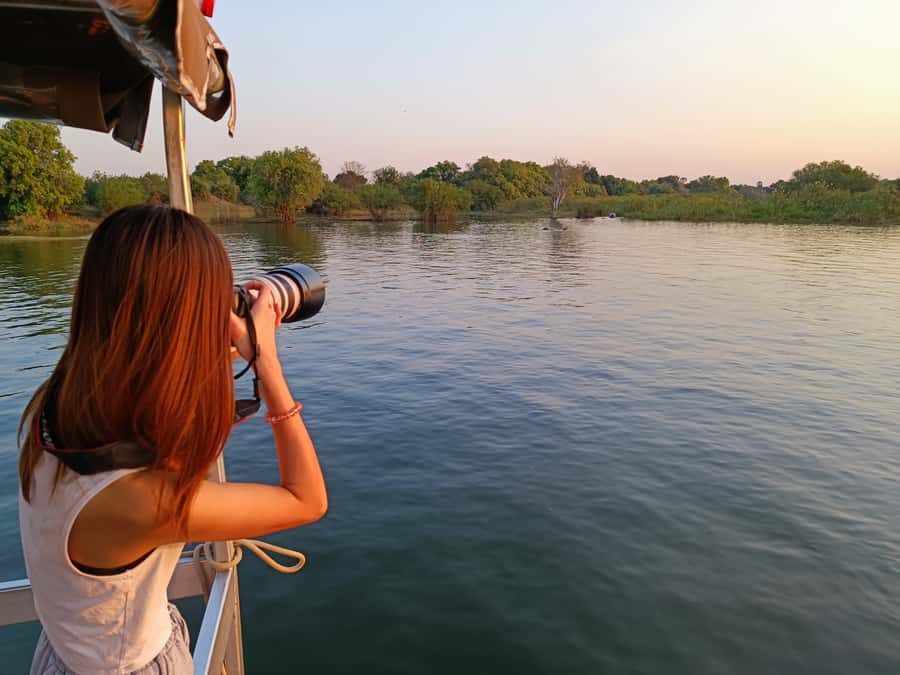
One more nice factor is that some guides are very photo-minded. If you bring a camera, tell your guide what you shoot. It helps them anticipate when to slow down, when to angle the boat, and when to wait for birds to reposition.
Weather, clothing, and mosquito-proof planning
This safari takes place rain or shine. That means you should dress like the river might do what it wants.
Here’s what to plan for based on the tour guidance:
- Long clothing to protect from mosquitoes
- Sunscreen and mosquito repellent
- A brimmed hat
- Comfortable shoes that can handle uneven ground at pickup and drop-off
If rain starts, it can reduce how active some birds feel. But it does not automatically kill the day. When the guide keeps scanning and the captain finds sheltered shoreline edges, you can still get solid sightings. The key is being warm enough and dry enough to stay out of a miserable mood for the full ride.
Binoculars matter, especially for kingfishers, herons, and raptors at distance. If you do not have your own, tell the operator in advance so they can try to organize a pair.
Price and value: is $80 a good deal?
At $80 per person for a 2 to 3 hour private birdwatching boat, the core value is in the guide focus plus the boat time. You are paying for expert birding attention and the advantage of a private setup where your guide can slow down for the birds you want.
The other piece is what you add on top. National park entrance fees are not included and are paid in cash, listed as 10 USD for foreigners and 5 USD for locals. That means your true total depends on your status and the park fee amount at the time you go.
Food and drinks are also not included. Still, some departures include small refreshments. For example, coffee, water, muffin, and fruits have shown up in at least some outings. I treat that as a bonus, not a guarantee. Eat beforehand so you are not trying to power through a hunger headache while your guide is spotting birds.
If you’re the kind of birder who wants real odds at African Finfoot, this price can make sense fast. A bird specialty trip that saves you time and puts your guide’s eyes on the right shoreline often costs more elsewhere. Here, the value comes from pairing a focused birding strategy with a comfortable river boat experience.
Who this safari is best for (and who should rethink it)
This tour suits you if:
- You want a bird-first experience on the Zambezi River, not a generic wildlife cruise
- You enjoy learning bird ID details and seeing birds up close
- You like wildlife, but you also care about the species list
- You prefer a private, slower pace over a group schedule
It may not be your best match if:
- You only want a guaranteed full animal lineup. Birding can be weather-dependent.
- You hate being on the water in rain, even though the trip runs rain or shine.
If you are traveling with mixed interests, the format helps. Birds can be the anchor, but hippos and crocodiles give a second track of excitement so the whole group stays engaged.
My booking checklist before you go
Before you confirm, do these practical things:
- Decide what you want most, like African Finfoot, kingfishers, or pratincoles, and tell the guide
- Bring long sleeves or long pants for mosquito protection
- Pack repellent, sunscreen, and a hat
- If you have binoculars, bring them. If not, arrange a pair in advance
- Budget for the park entrance fee in cash
- Eat before you start, since food and drinks are not included
This is a small list, but it directly improves how much you get from those 2 to 3 hours.
Should you book this private Victoria Falls Zambezi bird safari?
I think you should book it if you care about birds and you want a smart use of time on the Zambezi. The private boat pace, the shoreline-focused search for species like African Finfoot, and the realistic chance of seeing hippos and crocodiles make it a strong value for $80.
If you are picky about comfort, plan for rain and mosquitoes from day one. If you do that, the trip’s biggest strength, careful spotting from a slow boat, can really shine.
In short: if you want your birding to feel guided, focused, and close to wildlife, this is one of the best ways to spend a half day on the Zambezi.
FAQ
How long is the Victoria Falls Private Zambezi River Birdwatching Safari?
It runs for 2 to 3 hours.
What is included in the $80 per person price?
The price includes an expert guide specialized in birdwatching and hotel pickup and drop-off. The group is private.
Do I need to pay any extra fees?
Yes. There is a national park entrance fee in cash: 10 USD for foreigners and 5 USD for locals. Food and drinks are also not included.
What birds will we try to see?
You can expect a mix of species along the Zambezi, including ducks and geese, herons and egrets, kingfishers, storks and ibises. The rare star bird is African Finfoot, and you might also look for species like Rock Pratincole, African Skimmer, and Pel’s Fishing-owl depending on conditions.
Should I bring binoculars?
Binoculars are recommended if you have them. If you do not have binoculars, let the provider know in advance so they try to organize a pair for you.
Is food or drinks included?
Food is not included. It’s best to eat enough before you start. Some trips may include small refreshments like coffee and cake, but you should not count on a full meal being provided.
More Safari Days


Zimbabwe Departures Just for You
More Tour Reviews in Victoria Falls Town


Other Zimbabwe Tours in Our Notebook
- Zambezi River: Kid-Friendly Whitewater Rafting
★ 5.0 · 3 reviews - Victoria Falls Village Cultural Tour – Authentic Experience
★ 5.0 · 3 reviews - Victoria Falls: Village Tour with Traditional Food Tasting
★ 4.0 · 3 reviews - Victoria Falls: Half Day Flying Fox, Zip Line, & Gorge Swing
★ 5.0 · 3 reviews - Victoria Falls Guided Tour Plus Lunch & Transport
★ 5.0 · 3 reviews - Victoria Falls: Flying Fox Experience with Transfers
★ 4.7 · 3 reviews
Private, compared.
 ★ 4.7Private Guided Tour of the WaterfallsFrom $25132 reviews
 ★ 4.3Private Guided Tour of the FallsFrom $4344 reviews
★ 5.0Private Guided Tour of the FallsFrom $3039 reviews
★ 4.3Private Guided Tour of the FallsFrom $4344 reviews
★ 5.0Private Guided Tour of the FallsFrom $3039 reviews
 ★ 5.0Victoria Falls Private Guided Sunrise TourFrom $5018 reviews
 ★ 5.0Private Sunset Cruise on the Zambezi RiverFrom $11016 reviews
 ★ 5.0Private Sunrise Cruise with BreakfastFrom $9215 reviews
 ★ 5.0Private Guided Tour of the Falls with PickupFrom $3512 reviews
 ★ 5.0Private Sunset Cruise on the Zambezi RiverFrom $9212 reviews