
REVIEW · ZAMBEZI NATIONAL PARK GAME DRIVES
Full Day Birding Zambezi National Park Includes Picnic Lunch
Early light turns birding into a hunt. This full-day Zambezi National Park safari is built for bird lovers, with over 8 hours of birding and a real target in the morning, Schalow’s Turaco. I like that the route moves through different habitats, so you are not stuck ticking the same birds all day.
The day runs on a simple rhythm: morning along the Zambezi River above Victoria Falls, then deeper into Zambezi National Park, and finally time in the woodlands after lunch. I especially like the human part, too, because the guiding team is local and the experience levels you see in the guide names I’ve come across, like Abraham, Talet, Martin, and Sam, match the job.
One consideration: park fees are not included (plan on about 15 USD per person), and you also need to bring your own binoculars.
In This Review
- Key Birding Highlights You Can Plan Around
- Why Zambezi National Park Birding Feels Like a Real Safari
- Morning Along the Zambezi River Above Victoria Falls
- Stepping Into Zambezi National Park for Different Birding Zones
- Lunch in the Bush, and Why Timing Matters
- The Woodlands Portion After Lunch
- Rainy Season Birding in November to March
- Guides Make the Difference, and You Get Real Local Names
- Birding Results: More Species Than You Might Expect
- Price and Value: $200 Plus Park Fees
- Who This Tour Is Best For (and Who Might Want Another Option)
- A Few Things to Know Before You Go
- Should You Book This Full Day Zambezi Birding Tour?
- FAQ
- How long is the birding tour in Zambezi National Park?
- Is pickup and drop-off included?
- What is included in the price?
- Are national park fees included?
- Do I need to bring anything?
- How many people are in the group?
- When is the best time for birding on this tour?
- Is free cancellation available?
Key Birding Highlights You Can Plan Around
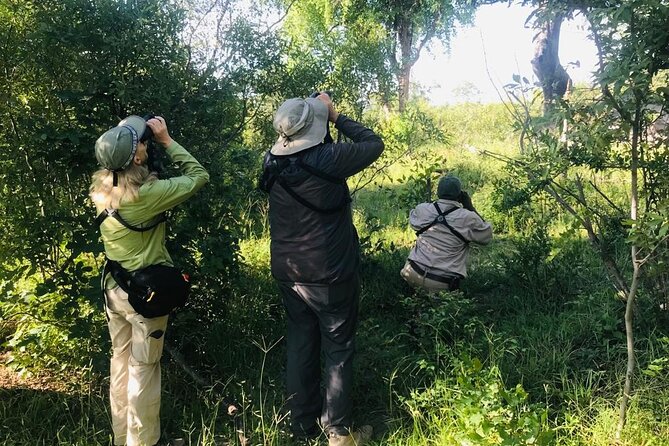
- Dawn birding above Victoria Falls for early-song species like Hadeda Ibis and Half-Collared Kingfisher
- Schalow’s Turaco focus during the morning drive and stops
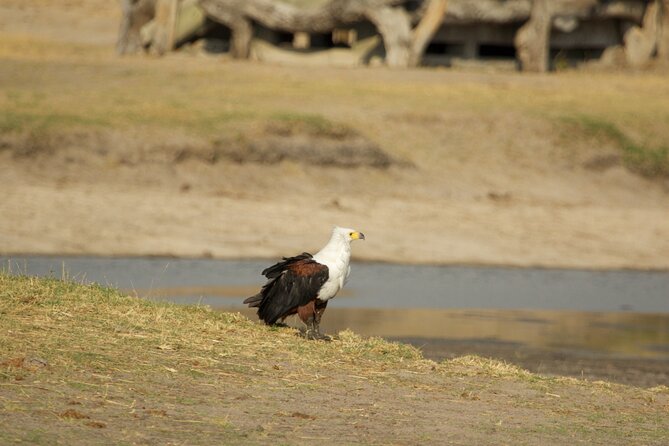
- High-flyer scouting later on, with chances at African Hawk Eagle, Martial Eagle, and Western Banded Snake Eagle
- Picnic-style lunch in the bush, timed so you keep momentum without losing the best calling hours
- Small group size of up to 10, which helps the guide track finds and keep the pace comfortable
Why Zambezi National Park Birding Feels Like a Real Safari
Zambezi National Park sits in an Important Birding area, which matters because it is not just “pretty scenery.” It is the kind of place where the bird action is frequent enough that a guided day makes sense, especially when you want more than a random chance sighting.
From my perspective, what makes this tour worth your attention is the structure. You are out for about 9 to 10 hours, and the plan is built around when birds are most active, then shifted as the day warms up. You get over 8 hours of birding, but you also get a break for a picnic lunch instead of a rushed, snack-only day.
And the seasonal note is important for planning. In the rainy season (November to March), migratory birds are more likely to be in the area, which can raise your odds of interesting additions to your list. Even if you are not traveling for a “perfect” checklist day, it is still a strong window for variety.
Morning Along the Zambezi River Above Victoria Falls
The day starts at daybreak with pickup from your hotel, which is a good sign if you want to actually catch birds when they are singing and moving. The first birding spot is along the Zambezi River above Victoria Falls, so you are not waiting around until the park feels “official.” You are already in habitat from the start.
As the sun rises, this is when you may hear and see birds that respond to the first bursts of activity. The morning list can include Hadeda Ibis, Half-Collared Kingfisher, and the morning target: Schalow’s Turaco.
Here’s what I like about the target choice. Schalow’s Turaco is not the type of bird you can reliably see from a lazy roadside stop. A guided dawn session gives you time to slow down, scan, and reposition when your guide hears or spots something moving. That attention to timing is one of the reasons birders prefer dedicated tours over half-day “maybe you’ll see something” outings.
Practical tip: this is the kind of day where binoculars are not optional. The tour asks you to bring your own, so make sure they are ready to go before pickup, not after you arrive.
Other drives inside Zambezi National Park
Stepping Into Zambezi National Park for Different Birding Zones
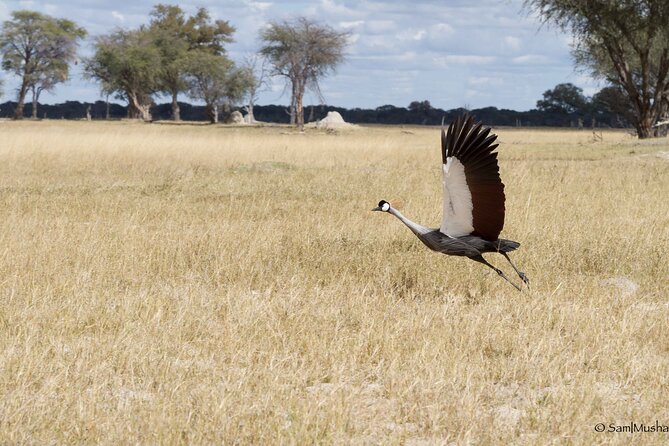
After the river start, the tour moves into Zambezi National Park. This is where the day gains a safari feel beyond birding, because you are driving between habitats while you keep an eye on the skies and the edges of the vegetation.
One of the best parts of this kind of plan is that birds change their behavior across habitats and temperatures. Early on, you might focus more on what is hopping, perching, calling, or moving along cover. Later, the guide shifts toward the birds that show up when the day heats and visibility improves.
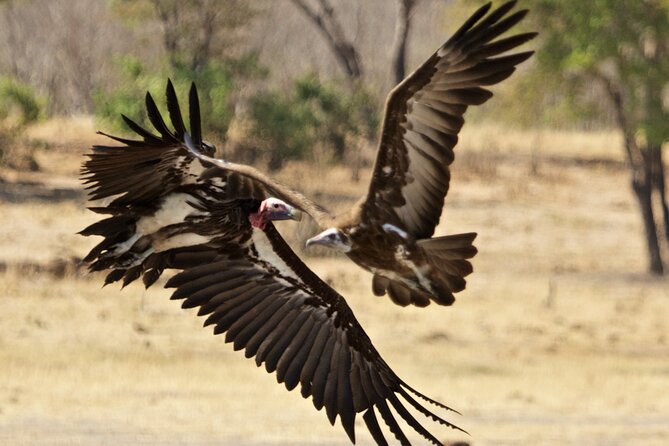
In the park, the tour leans into bird groups that are visible from a distance or easier to pick out once you know where to look. As it warms up, expect attention on high flyers and raptors, including:
- African Hawk Eagle
- Martial Eagle
- Western Banded Snake Eagle
- vultures
Even if you do not count every raptor correctly, this is a productive way to bird. Watching raptors is not only about the birds themselves, it trains your eye for how they travel, where they silhouette, and what kinds of winds and thermals get them active.
Lunch in the Bush, and Why Timing Matters
You get a picnic-style lunch in the bush, which is great for two reasons. First, it keeps the day from breaking into separate halfs. Second, a mid-day pause gives your brain a reset so you can keep spotting small differences, not just big silhouettes.
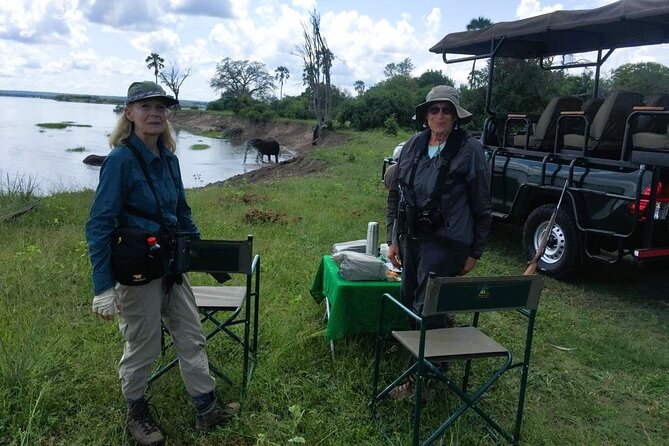
In real-world use, lunch can be set near a lookout so you might also see larger animals passing through while you eat. One of the guide experiences I’ve seen described includes lunch at a waterhole lookout where animals moved in and out. Another day included lunch on a river bank. So the exact lunch setting can vary, but the idea stays the same: you eat in the landscape you came to bird, not back in a lodge with no bird action.
What’s included matters here. The tour provides lunch, plus coffee and/or tea, water, soft drinks, and beer. That means you can focus on the birding, not on budgeting for snacks at every stop.
If you get motion sickness easily, you may want to keep an eye on how long you are in the vehicle between stops. This is a full-day outing, so a little physical comfort planning helps, even though the pace is geared toward birders.
The Woodlands Portion After Lunch
After lunch, the tour shifts into woodlands. This part of the day can be surprisingly productive because woodlands often hold different species than river edges and open vistas.
From a birding standpoint, woodlands also reward slow scanning. Instead of relying only on birds that blaze across the sky, you start looking for movement in branches, lower activity along edges, and birds that call from cover. It can feel like a different game, and that change is part of the value: you get multiple “styles” of birding across the same day.
And because the tour is designed for birders, it is built around keeping you in the right areas rather than stopping just for views. The guide is there to put you where the birds are likely to be, then help you interpret what you are seeing.
Rainy Season Birding in November to March
If your travel dates land in November to March, you are visiting during the rainy season, and that is a meaningful clue. The tour notes that migratory birds are more likely to be in the area at this time. In other words, this is one of the windows where the bird list can feel less predictable and more exciting.
Why that matters for your planning: many bird destinations are best at one specific season. This one gives you a stronger reason to visit during the rainy season rather than assuming it will be “only muddy and hard.” Yes, it can be wet, but the upside is that bird movement and diversity can rise.
Also, remember the scale. The general area has over 300 recorded bird species. That does not mean you will see hundreds in one day, but it does mean the region is rich enough that a guided day has real purpose. You are not looking at a limited pocket of birds. You are working in a system.
Other parks worth giving a full day
Guides Make the Difference, and You Get Real Local Names
This tour is led by a local expert guide, and that phrase is not marketing fluff here. Birding is communication. A guide who knows the local calls, flight paths, and likely perches can shorten your search time dramatically.
The guide factor stands out in the way people describe their days. Guides like Abraham and Talet are mentioned for being timely, professional, knowledgeable, and fun to spend the day with. Abraham and Martin are also noted for finding large numbers of species, with one day reaching 79 species in Zambezi National Park. Sam is described as an expert birder and a professional guide.
Even better, the guide team is local, so they are not guessing. You are benefiting from someone who knows the area well, including where birds tend to show up and how to move through different habitats efficiently.
Small-group size also supports this. With a maximum of 10 travelers, you get more chances for the guide to notice who needs help, and less pressure to keep up in a big crowd.
Birding Results: More Species Than You Might Expect
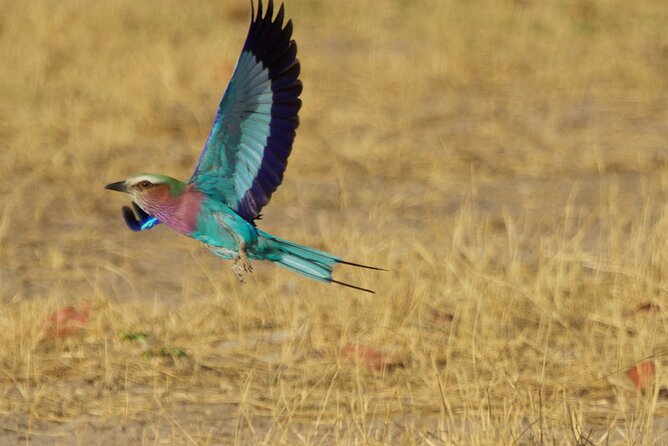
It is hard to promise numbers, because birds do what birds do. But the results people report are strong: one day included about 93 species, another about 79 species, all within the Zambezi National Park day.
What I take from that: this is not a “walk and hope” bird outing. The tour has enough structure, time, and habitat variety to support serious birding effort. You also have the chance for mammals while you bird, which can turn the day into a true safari bonus rather than only a checklist day.
One set of experiences included sightings of hippos, elephants, giraffes, kudu, baboons, monkeys, bush buck, impalas, and hyenas during the outing. That kind of mix is not guaranteed, but it does highlight the value of combining habitat-based birding with a safari mindset.
If you like both birds and big wildlife, you will probably feel like you are getting two tours in one.
Price and Value: $200 Plus Park Fees
The price is 200 USD per person, and that is where you should do a quick value check.
On the plus side, the tour includes:
- pickup and drop-off
- coffee and/or tea
- water, soft drinks, and beer
- lunch
- a mobile ticket
- a full-day structure with over 8 hours of birding and a local expert guide
The main extra cost is park fees. National Park Fees are expected to be about 15 USD per person and are not included in the base rate. The itinerary also notes admission ticket not included, so plan for that add-on in your budget.
So in practical terms, you are looking at roughly 215 USD per person for a full day, before any personal costs like tips or extra drinks beyond what is included. For a 9 to 10 hour experience focused on birding in a major area, that can be a fair value, especially if you care about getting guided help rather than trying to do this on your own.
Who This Tour Is Best For (and Who Might Want Another Option)
This tour is a strong fit if you are:
- a bird-focused traveler who wants real time in Zambezi National Park
- someone who enjoys raptors and sky scanning as much as perching birds
- traveling with a partner and both of you are game for an active day starting at daybreak
It also suits you if you want more than birding because mammals sometimes show up along the way. That combo helps the day feel balanced, especially if you are the only bird-lover in your group. The safari moments can keep the day interesting even when bird activity is slower.
This is probably not the best match if you want a light, flexible schedule with late start times. It is a long, full-day outing designed for birders, and the whole point is keeping a consistent birding rhythm from morning into woodlands.
A Few Things to Know Before You Go
Bring your own binoculars. That is specifically requested, and it is the difference between watching and really learning what you are looking at.
Also, plan for long hours. The day is about 9 to 10 hours, and you will be moving between habitats. Even if the pace is controlled for birding, you will likely spend plenty of time on your feet for scanning.
Finally, if you can choose travel dates, consider the rainy season window November to March. The tour points out that migratory birds are more present then, which can help your day feel fuller.
Should You Book This Full Day Zambezi Birding Tour?
I think you should book it if you want a guided, habitat-based birding day with real targets, not a casual wildlife drive. The morning focus on Schalow’s Turaco, the long birding block, and the shift from river edge to park to woodlands add up to a day that actually supports birding success.
It also looks like a solid choice for value if you factor in lunch and drinks, plus pickup and drop-off, and if you are okay paying the additional park fees. If you already bird with intention, you will get your money’s worth from the time, the local expert guides, and the chance to see both birds and larger animals.
If you want, tell me your month of travel and your birding skill level. I can help you decide whether this timing and style fits what you want to see most.
FAQ
How long is the birding tour in Zambezi National Park?
The tour runs about 9 to 10 hours.
Is pickup and drop-off included?
Yes, pickup and drop-off are offered as part of the experience.
What is included in the price?
Coffee and/or tea are included, along with water, soft drinks, beer, and lunch.
Are national park fees included?
No. National park fees are expected to be about 15 USD per person and are not included.
Do I need to bring anything?
Yes. The tour asks you to bring your own binoculars.
How many people are in the group?
There is a maximum of 10 travelers.
When is the best time for birding on this tour?
The tour notes the rainy season (November to March) as a time when migratory birds are in the area.
Is free cancellation available?
Yes. You can cancel up to 24 hours in advance for a full refund.
More Tour Reviews in Victoria Falls

Zimbabwe National Parks
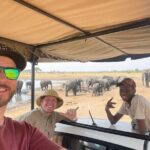
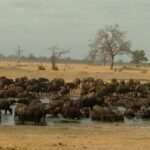
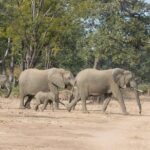
Deeper Into Zambezi National Park
Other Zimbabwe Tours in Our Notebook
- Zambezi Sunset Cruise In Victoria Falls
★ 4.5 · 3 reviews - Victoria Falls: Whitewater Rafting + Chobe Safari Combo
★ 5.0 · 3 reviews - Guided Tour Of The Majestic Victoria Falls/Sunrise Tour
★ 5.0 · 3 reviews - Victoria Falls and Harare Airport Transfers and Car Rentals
★ 4.0 · 3 reviews - The Eatery Potjie Dinner Experience in Victoria Falls
★ 4.5 · 3 reviews - Shearwater Bungee Jump Victoria Falls Bridge
★ 5.0 · 3 reviews
Zambezi National Park Game Drives, compared.
 ★ 4.4Zambezi National Park Game Drive in a Small GroupFrom $10051 reviews
 ★ 5.0Unique Safari Game Drives in Zambezi National Park, 4 OptionsFrom $12539 reviews
 ★ 5.0Zambezi National Park Game Drive AM /PMFrom $9019 reviews
 ★ 5.0Safari Game Drive in Zambezi National Park with Hotel PickupFrom $10018 reviews
 ★ 5.0Small Group: Zambezi National Park Guided Game DriveFrom $12015 reviews
 ★ 4.5Safari Game Drive in Zambezi National ParkFrom $15010 reviews
 ★ 4.9Zambezi National Park Private Wildlife Safari (4 – 10 hours)From $1809 reviews
 ★ 3.6Night Game Drive Zambezi National ParkFrom $1598 reviews
Browse the lists this tour appears in