
REVIEW · CHOBE NATIONAL PARK SAFARIS
3 Day Chobe National Park Camping Safari
Chobe can feel like a wildlife magnet, and this trip is built around that. I love the sheer elephant density in Chobe, plus the fact that you get more than one day in the park instead of a rushed drive-by. One thing to plan for: this is not rough, true bush camping, despite the word camping, since you sleep in a safari lodge dome tent with full board.
You’ll also be traveling with a small group (up to 15), which usually means more attention when animals pop up and you want quick help spotting them. In this case, the on-the-ground coordinator Simon stands out in the feedback, with solid communication and an always-on-time vibe. If you’re hoping for total freedom with no schedule at all, you may find the structured drives and set activities more guided than you want.
In This Review
- Key Things I’d Pay Attention To Before You Go
- Chobe Safari From Victoria Falls, What Makes This Location Click
- Small Group Chaperone Style, and Why It Helps on Safari
- Your “Camping” Setup: Safari Lodge Dome Tent With Full Board
- Day 1 in Chobe: First Contact With a Predator and Elephant Playground
- Day 2 in Chobe: Getting Closer and Seeing Different Behavior
- Boat Cruise Time: Why Water Views Add a New Layer
- Day 3 at Chobe Crocodile Farm: A Change of Pace Before You Wrap Up
- Wildlife You Can Expect, and How to Keep Your Eyes Sharp
- Pickup, Timing, and Smooth Connections From Victoria Falls
- Price and Value at $1,515: What You’re Paying For
- Who Should Book This Chobe Camping Safari, and Who Might Not
- Should You Book This 3 Day Chobe Camping Safari?
- FAQ
- What is the duration of the 3 Day Chobe National Park Camping Safari?
- Where does this tour start?
- How many travelers are in the group?
- What’s included in the tour price?
- Do I need to have a lot of physical fitness?
- What animals can I expect to see in Chobe?
- Is this true bush camping?
- What is the cancellation policy?
Key Things I’d Pay Attention To Before You Go
- Small group, better wildlife spotting time: you are not competing with a busload of people when the guide calls something out.
- Chobe’s elephant scale: the park is home to over 85,000 elephants, so you’ll spend your days surrounded by real concentrations.
- Two days inside Chobe National Park: you get repetition, which helps you see different behaviors, not just the same animals on loop.
- Game drives plus a boat cruise: you’ll view wildlife from land and water, which changes what you notice.
- Dome-tent camping with full board: more comfortable than hard-core bush camping, but still very much “in the bush.”
- Day 3 includes Chobe Crocodile Farm: expect a more hands-on, non-safari stop before you wrap up.
Chobe Safari From Victoria Falls, What Makes This Location Click
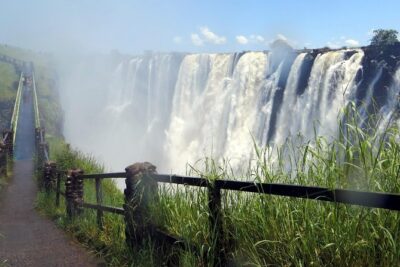
You start from Victoria Falls, but your safari time happens in Botswana, with Chobe National Park right along the border region. That geographic setup matters, because it gives you two different “big trip” experiences close together: the iconic Victoria Falls area plus serious wildlife country in Chobe.
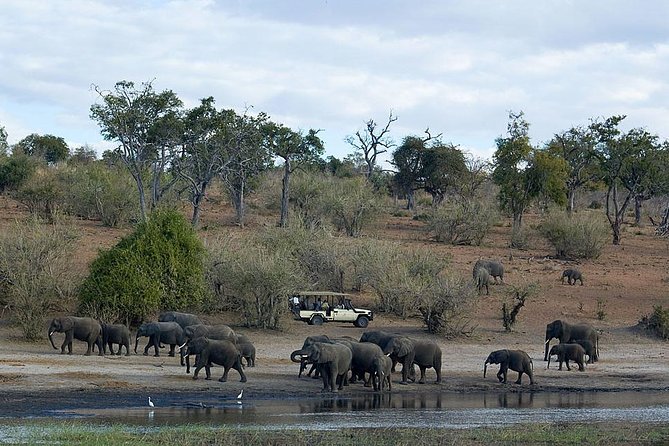
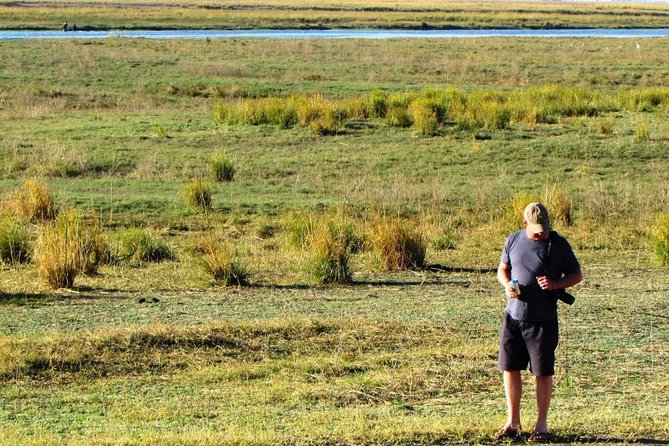
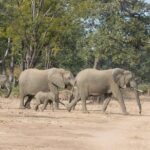
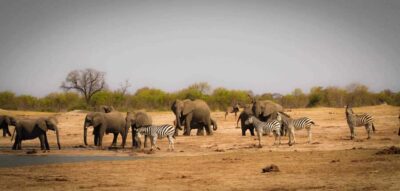
Chobe is especially known for elephants, and the numbers here are not subtle. You’re looking at a park with over 85,000 elephants, and that shows in how often you hear them, see them, and pass them on the drive. If you love wildlife that doesn’t just make a quick cameo, Chobe is a strong bet.
Also, the “border handoff” piece is worth noting. One of the best practical points from feedback was that the transportation connections, including the border transfer, felt timely and smooth. That reduces stress when you’re trying to stay focused on the animals instead of logistics.
Small Group Chaperone Style, and Why It Helps on Safari
This runs with a maximum of 15 travelers. That limit sounds small on paper, but it matters in the field. On game drives, it’s not only about seeing animals, it’s about timing, positioning, and getting to the right viewpoint before the light and animal behavior changes.
A smaller group also helps with communication. In the feedback, Simon was praised for being responsive and for making sure people felt comfortable with what was happening. Even if you travel solo or as part of a family group, it’s reassuring when your guide is consistently reachable and keeps the day on track.
One more practical benefit: when you’re in a crowd, you ask questions less often. With fewer people, you’ll likely ask more, and that’s how you start understanding what you’re seeing rather than just taking photos and moving on.
Other Chobe crossings from the Zimbabwe side
Your “Camping” Setup: Safari Lodge Dome Tent With Full Board
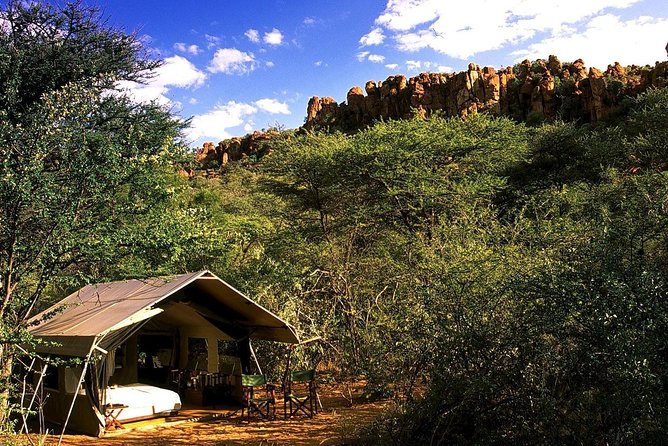
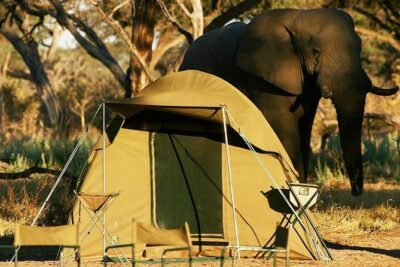
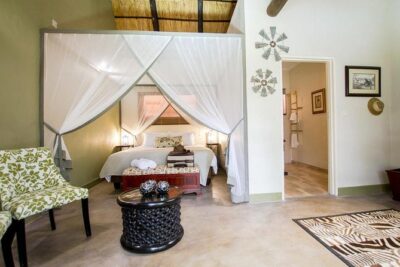
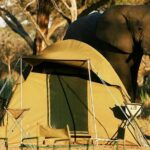
Let’s clear up expectations, because the word camping can mean very different things in southern Africa. Here, you sleep overnight in a safari lodge dome tent and you get full board. In plain terms, that means you are not sleeping in a bare, no-facilities wilderness setup.
That is exactly the trade-off I like. You still get the outdoor, bush-adjacent feel, but you also get meals handled for you and a more stable comfort level at night. One reviewer specifically flagged that this is not bush camping in the most rugged sense, and that’s useful information for you to align your expectations.
This also affects what you should pack mentally. You can pack for safari comfort rather than survival mode. If you want the authentic bush experience without the constant fuss, dome-tent style makes sense. If you want true roughing it, you may need a different kind of itinerary.
Day 1 in Chobe: First Contact With a Predator and Elephant Playground
Your first full day is centered on Chobe National Park, with admission included. This is where you get your initial wildlife rhythm: spotting from the vehicle, reacting to animal movement, and learning the “why” behind where the guide stops.
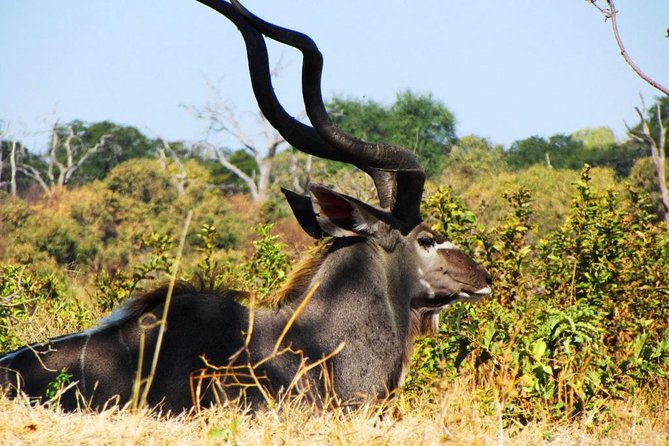
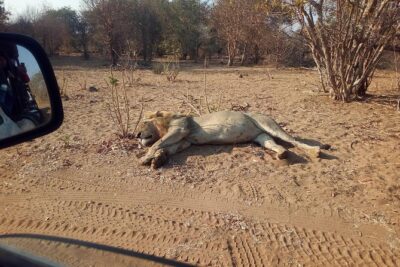
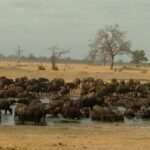
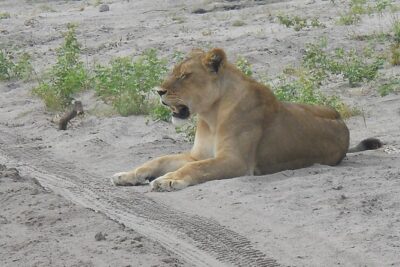
The animal list gives you a good preview of the variety you can expect: elephants, buffaloes, giraffes, kudus, lions, hyenas, warthogs, zebras, and more. You’re not limited to grazers. Predators are on the table too, which is a big reason game viewing can feel so dramatic here.
What makes day one valuable is that you’re not forcing everything into a single “best of the park” hunt. You’re starting your trip with the core setting and letting the day unfold based on what’s visible. If you’re the type who wants to settle in and start enjoying rather than chasing, day one will likely feel like the warm-up you needed.
Tip for your day one photos: bring your camera and treat it like an active tool, not just a once-in-a-while gadget. The trip guidance explicitly reminds you to carry your camera, and that is real advice in Chobe, where animals can appear quickly and at close range.
Day 2 in Chobe: Getting Closer and Seeing Different Behavior
Day two is another day inside Chobe National Park, again with admission included. This second day is not repetition for repetition’s sake. It gives you the chance to see different animals at different times, and to catch wildlife behavior you might have missed on day one.
The description emphasizes that you’ll view animals at a very close range. That phrase matters, because on safari, “close” isn’t just about better photos. It also changes how you understand animal movement and body language. You start noticing how buffaloes group, how giraffes browse, and how predators react when something shifts in the grass.
The second day is also where your guide’s pattern recognition can really pay off. When the group has already spent a day learning how sightings come together, you can track what the guide is doing: where they slow down, where they park, and how they position the vehicle to keep wildlife calm.
If you’re planning what to wear, day two is when you’ll be thankful you chose practicality. You’ll likely be out for game-drive time long enough that comfort and clothing that handles heat, dust, and quick changes in light will make the day more enjoyable.
Boat Cruise Time: Why Water Views Add a New Layer
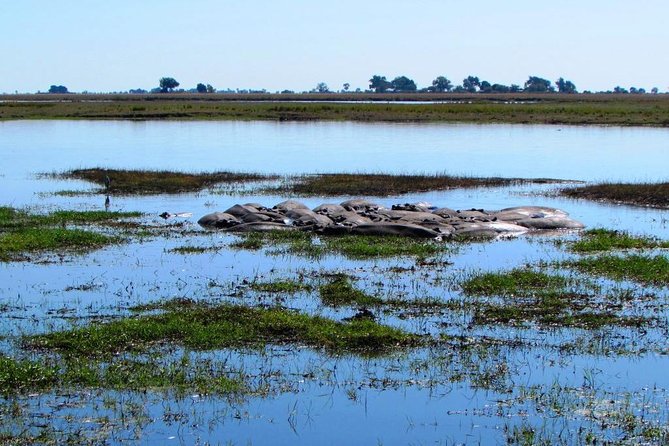
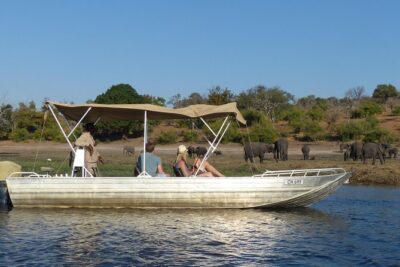
One of the trip highlights is that you’ll enjoy several game drives and a boat cruise. Wildlife from the water often feels different right away. Animals that may blend into the brush from a vehicle can show up clearly near river edges, and you may catch movement that you cannot see well on land.
A key detail from feedback is that the sunset cruise on the Zambezi is a must. While the schedule won’t be identical for every group, that comment lines up with why people love river cruises around this part of the region. The light gets softer near sunset, and water creates an easy stage for wildlife to appear.
If you love photography, boat time can be your best “different angle” opportunity. Just be ready for a more relaxed pace compared to the vehicle drives. You’ll enjoy it more if you let it be slow and look for movement, not just big photo moments.
Longer routes through Zimbabwe worth comparing
Day 3 at Chobe Crocodile Farm: A Change of Pace Before You Wrap Up
On day three, you visit Chobe Crocodile Farm. This stop is a different kind of experience from the wildlife viewing in the park. Instead of watching animals in their natural movement patterns, you’re seeing them in a managed setting.
This can be a nice emotional gear shift. After intense safari days, a structured animal stop gives you a clear, guided way to learn and see. It’s also practical in the sense that it breaks up the day before the trip ends.
The trip framing also notes that you’ll see this as you go out of Botswana. That means day three isn’t only about wildlife. It’s also about the overall route wrap-up, which helps explain why the itinerary includes a non-park activity before you head away from the safari focus.
If you’re traveling with kids or you want one calmer stop after long game viewing days, the crocodile farm can be a good fit.
Wildlife You Can Expect, and How to Keep Your Eyes Sharp
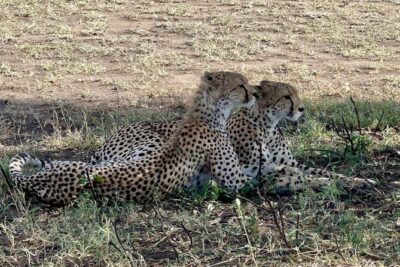
You’re not going into this safari blind. The animals listed in the tour description cover a lot of the big-action species: elephants, buffaloes, giraffes, kudus, lions, hyenas, warthogs, zebras, plus additional wildlife.
Chobe is especially associated with elephants, and with the scale stated in the trip notes, you should expect them to be a frequent theme. Even when the best predator sighting doesn’t happen, elephants can make the day feel full.
Here’s the practical way I’d approach wildlife time so you get value out of every hour:
- Watch for patterns, not just species. Elephants travel in ways that repeat, and guides often know the likely routes.
- Use the camera, but also look with your eyes. Photos are great, yet safari success is often learning what you just saw.
- Be ready for quick stops. The guidance to carry your camera hints at this. Wildlife sightings do not wait for you to get set.
And about the Big Five mention: the tour highlights Big 5 chances. What I’d do is set a flexible target. In a place like Chobe, you’re very likely to see major safari animals (especially elephants and big predators). Just keep expectations broad enough that you enjoy the day even if you do not tick every single box.
Pickup, Timing, and Smooth Connections From Victoria Falls
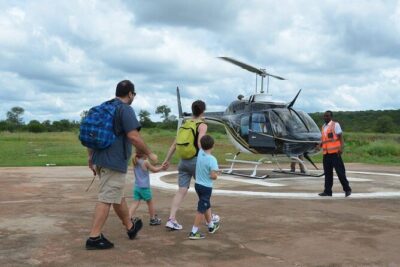
The tour includes pickup, and your start point is Victoria Falls. That matters because once you’re juggling border logistics and early wildlife timing, getting picked up saves energy and reduces “where do I go next” stress.
A recurring positive theme in feedback was that transportation arrangements, including border handoff, felt timely and smooth. That’s not just comfort. It protects your safari time. If the handoff is delayed, the animals don’t pause to wait for your paperwork.
Another practical factor: communication. Simon was praised for helping with a flood of questions and for staying in touch. If you like clear answers before the trip starts, you’ll likely appreciate that style.
Price and Value at $1,515: What You’re Paying For
At $1,515 per person for about three days, you should judge value based on what’s included. This trip includes park admission tickets, and it also covers overnighting in a dome tent with full board, plus multiple game drives and a boat cruise.
So you’re paying for more than transport and a generic sightseeing circuit. You’re paying for a structured wildlife program in a major animal area, with meals handled and guide-led time built in.
Where the price makes sense to me is when you look at it as “concentrated safari time” rather than a casual weekend. Three days in Chobe is enough to feel like you’re not just chasing one lucky sighting. You also get two park days, and that increases your odds of seeing different animals and behaviors.
What to budget outside the included elements is not spelled out in the provided details, so I’d plan with a mindset of personal items, snacks, and any camera-friendly extras you want. Keep your priorities clear, then spend where it counts.
Who Should Book This Chobe Camping Safari, and Who Might Not
This trip suits you if you:
- Want a guided safari with small group attention.
- Care about elephants and a mix of predators and large herbivores.
- Prefer “camping” that still includes full board comfort.
- Like having a clear structure for each day, including the crocodile farm stop on day three.
You might reconsider if you:
- Want true rough bush camping with no lodge-style comfort.
- Get unhappy with a schedule. This is not free-form travel once you’re on safari time.
- Expect a completely independent experience with no guide involvement.
If you’re traveling as a couple, with siblings, or with mixed ages, the group size and guided plan can be a real advantage. You get shared excitement without the chaos of a huge group.
Should You Book This 3 Day Chobe Camping Safari?
I’d book it if your main goal is concentrated wildlife time in Chobe with two full park days, plus a boat cruise, and you want that in a small-group format. The stated elephant focus, the variety of animals, and the presence of a guide who stays communicative and on schedule add up to a good safari value.
I would not book it if you’re chasing the idea of hard-core bush camping. The dome-tent, full-board style is more comfort-forward than “survive in the wild.” Think of it as safari camping with real service, not a rugged expedtion.
If you want the practical bottom line: this is a strong choice for wildlife lovers who appreciate organization, clear communication, and a small group setting in one of southern Africa’s elephant-heavy places.
FAQ
What is the duration of the 3 Day Chobe National Park Camping Safari?
The safari runs for about three days.
Where does this tour start?
It is based in Victoria Falls, Zimbabwe, with pickup offered.
How many travelers are in the group?
The maximum group size is 15 travelers.
What’s included in the tour price?
The tour price includes admission tickets for the park stops, and you get overnighting in a safari lodge dome tent with full board. A boat cruise and game drives are part of the experience.
Do I need to have a lot of physical fitness?
The tour notes that you should have a moderate physical fitness level.
What animals can I expect to see in Chobe?
You can expect to see animals listed such as elephants, buffalo, giraffes, kudus, lions, hyenas, warthog, and zebras.
Is this true bush camping?
Based on feedback, this is not bush camping in the rough, rugged sense. You sleep in a safari lodge dome tent and have full board.
What is the cancellation policy?
You can cancel up to 24 hours in advance for a full refund. If you cancel less than 24 hours before the experience start time, the amount paid is not refunded. The experience also requires good weather, with an option to change the date or get a full refund if canceled due to poor weather.
Zimbabwe National Parks
Zimbabwe Over Several Days

Chobe, More Ways to Cross for the Day
Other Zimbabwe Tours in Our Notebook
- Zambezi Sunset Cruise In Victoria Falls
★ 4.5 · 3 reviews - Victoria Falls: Whitewater Rafting + Chobe Safari Combo
★ 5.0 · 3 reviews - Guided Tour Of The Majestic Victoria Falls/Sunrise Tour
★ 5.0 · 3 reviews - Victoria Falls and Harare Airport Transfers and Car Rentals
★ 4.0 · 3 reviews - The Eatery Potjie Dinner Experience in Victoria Falls
★ 4.5 · 3 reviews - Shearwater Bungee Jump Victoria Falls Bridge
★ 5.0 · 3 reviews
Chobe National Park Safaris, compared.
 ★ 4.7Chobe National Park Day Trip with LunchFrom $170518 reviews
 ★ 4.6Chobe Day Trip from Victoria Falls, ZimbabweFrom $170250 reviews
★ 4.5Chobe Day Trip From Victoria Falls ZimbabweFrom $170196 reviews
★ 4.6Chobe Day Trip from Victoria Falls, ZimbabweFrom $170250 reviews
★ 4.5Chobe Day Trip From Victoria Falls ZimbabweFrom $170196 reviews
 ★ 4.5Chobe Full Day Trip From Victoria FallsFrom $164135 reviews
 ★ 4.5Chobe Full Day Safari TripFrom $18080 reviews
 ★ 4.6From Kasane: Chobe National Park Full Day Wildlife SafariFrom $12271 reviews
 ★ 4.5Chobe Extended Day Trip from Victoria Falls – ZimbabweFrom $26552 reviews
★ 5.0Chobe Day Trip From Victoria Falls ZimbabweFrom $10042 reviews
★ 4.5Chobe Extended Day Trip from Victoria Falls – ZimbabweFrom $26552 reviews
★ 5.0Chobe Day Trip From Victoria Falls ZimbabweFrom $10042 reviews
Browse the lists this tour appears in